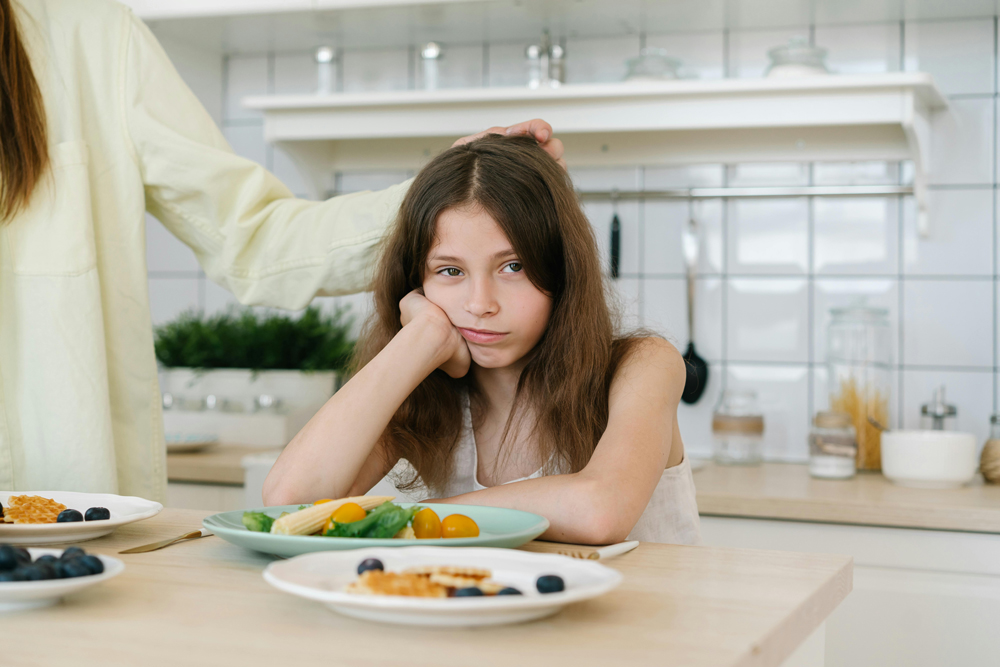
As a dad of two, I know firsthand how stressful mealtimes can be. It’s tough not to worry when your child turns up their nose at anything green, and you are left wondering if they are getting the nutrients they need to grow up strong and healthy.
Vegetables are public enemy number one for a lot of kids. In this post, I’ll share practical tips to help your child get more comfortable with fruits and veggies—and maybe even start to enjoy them!
Why do kids refuse to eat vegetables?
If you are trying to feed a picky eater, you probably already know that vegetables are often the hardest sell for young kids.
Around the age of 2, when children become more independent and curious, they also become suspicious of new foods.

On top of that, the taste and texture of vegetables can be a tough combo. Many veggies have a natural bitterness that kids don’t gravitate toward. They are wired to prefer sweeter foods since sweet flavors usually signal a quick energy boost (think fruit, sugar, or refined carbs).
Also, those raw, crunchy veggies are not always easy for little mouths to chew.
Helping Your Child Learn to Love Fruits and Vegetables
Veggies provide energy, vitamins, antioxidants, fiber, and hydration—all the good stuff growing bodies need. Plus, eating plenty of vegetables now can help protect your child from chronic health issues later in life, like heart disease, stroke, and even some cancers.
A balanced diet means loading up on vegetables and a mix of foods from all the main food groups.
If getting your child to eat veggies feels like an uphill battle, don’t worry—you are not alone. The tips below are here to help you sneak more of them into your child’s meals (without the drama).
Make vegetables more kid-friendly.
My tween daughter is all about French fries and chips—so I thought, “Why not use that to my advantage?” You can try cutting veggies into chip or fry shapes! A mandolin slicer works great for turning sweet potatoes, parsnips, or beets into homemade chips. Just drizzle with a little oil and salt, then bake until crispy.
Kale chips are another fun option. They are a tasty way to introduce a leafy green in a form that’s more likely to get a thumbs-up from your kids.
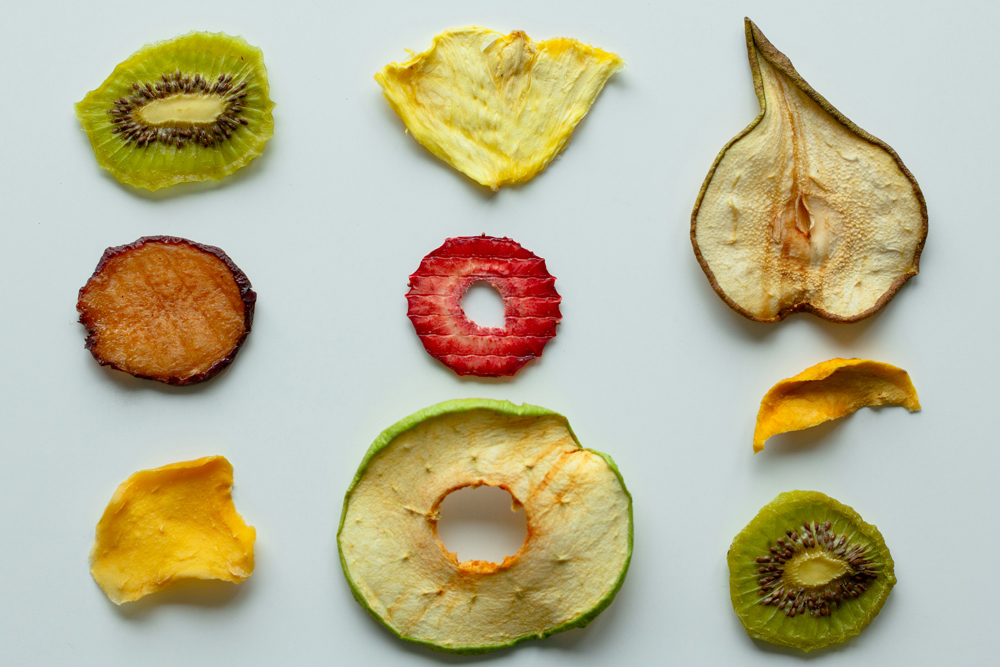
Also, don’t be afraid to experiment with how “done” the veggies are.
Some children love their corn frozen straight from the bag, prefer raw carrots over cooked ones, like their peas soft and mushy, or only go for mashed potatoes. If your child is sensitive to textures, freeze-dried or frozen veggies can be a great option. They tend to have a more consistent texture than fresh ones, which can change from bite to bite and throw some kids off.
Boost the flavor.
Let’s be real—celery will always taste better with peanut butter, and carrots are way more appealing with a little dip. And is your kid only licking off the dip at first? That’s okay! It’s still a step toward getting comfortable with the veggie. Hummus, yogurt-based dips, Ranch, and even ketchup all work.
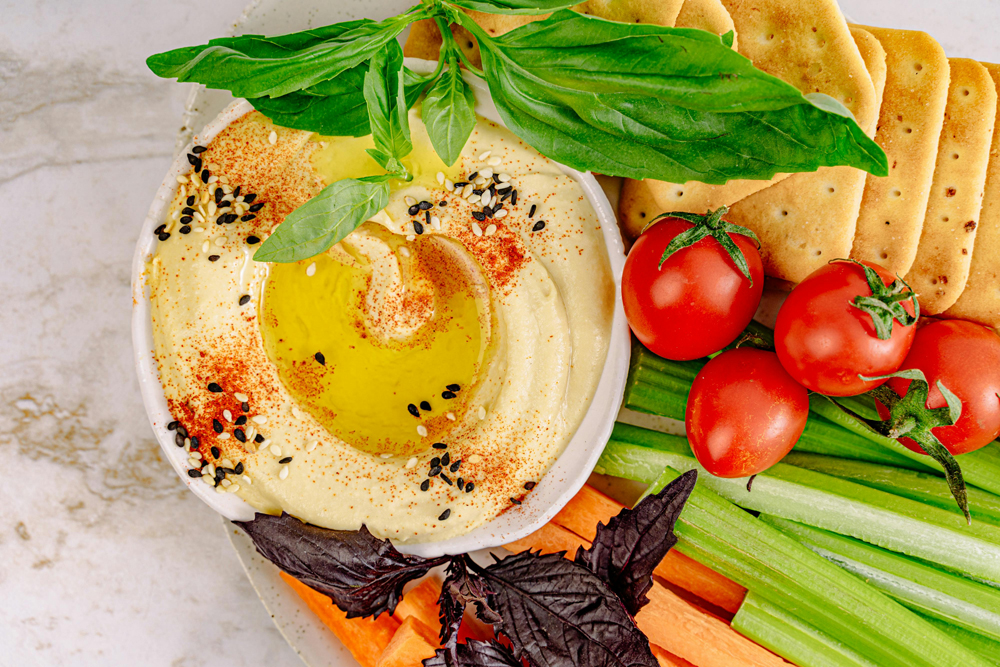
Roasting veggies is another game-changer. It brings out their natural sweetness and makes them way more appealing. My daughters won’t go near broccoli unless I slather them with a bit of butter. Then they’re all in.
Offer veggies for when they are most hungry.
Just like the rest of us, food always tastes better when we’re hungry — and we are usually less picky about what we’ll eat, too.
If your child comes home from school starving or during that chaotic “witching hour” before dinner, try offering a plate of vegetables with some dip as a little appetizer. It’s a simple way to get some extra goodness in when they are most likely to say yes!

Invite your child to help in the kitchen.
Involving children in the kitchen gives them a sense of pride and ownership over their food. When they help make a meal, they are often more willing to try new foods.
Some kids are sensitive to textures or don’t like getting messy, making them hesitant around certain foods. Cooking together is a great way to expose them to foods they might usually avoid at mealtime. But because it’s not actually mealtime, there’s no pressure to eat.
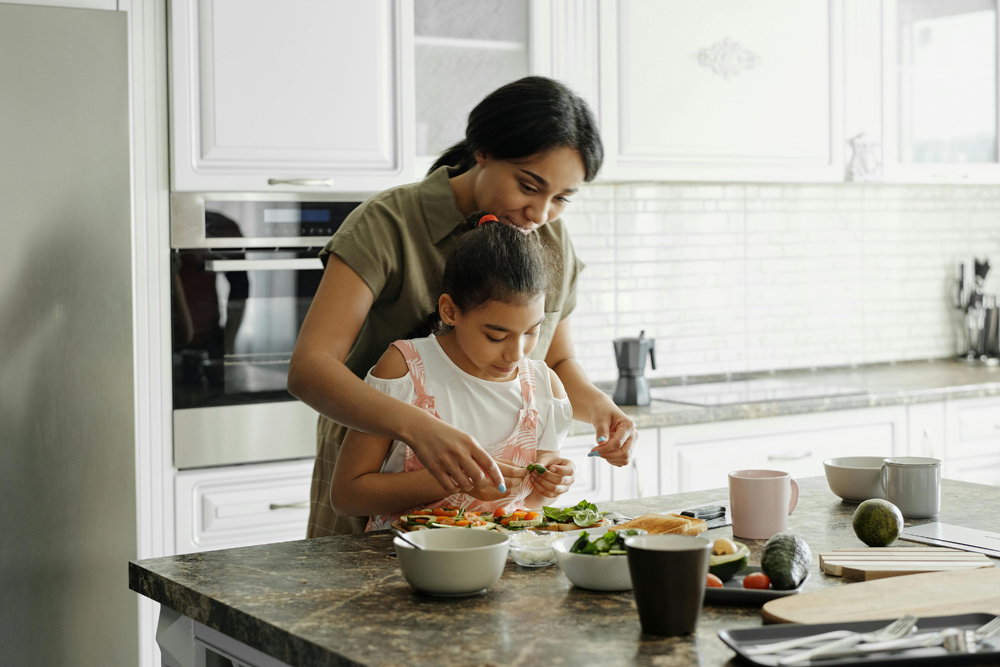
Just like with food play, cooking gives your child extra opportunities to touch and interact with ingredients in a low-stress way, which can eventually help them feel more comfortable around those foods.
Skip the bribe.
Try to avoid punishing, bribing, or rewarding your child during mealtimes. It can actually make picky eating stick around longer.
It is totally natural to want to celebrate when your child tries a bite of green bean by promising dessert, but in the long run, it doesn’t help build healthy eating habits.
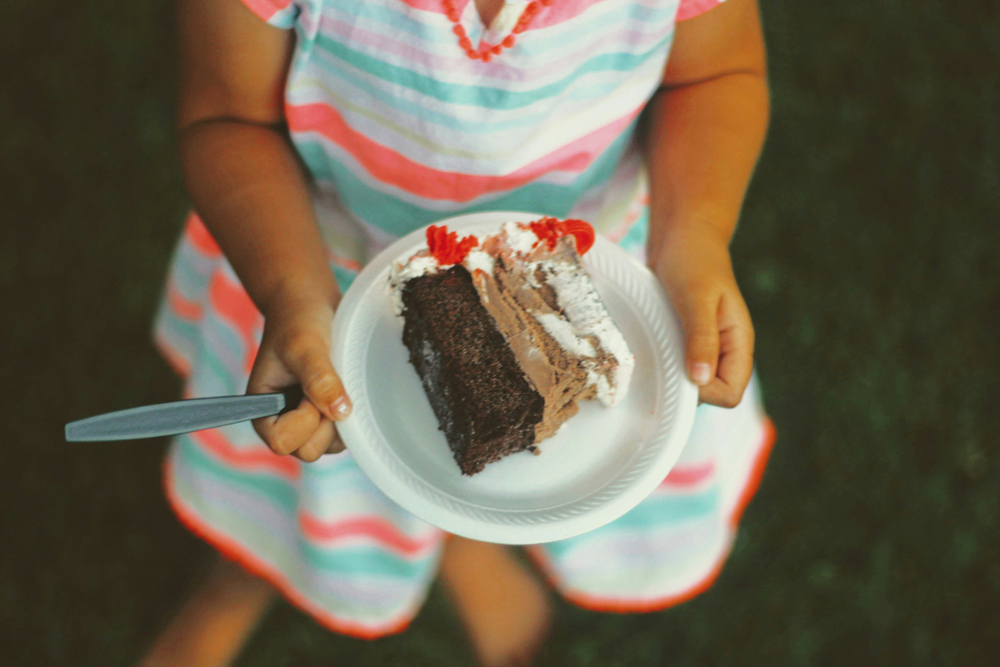
Food rewards can also teach kids to tune out their natural hunger and fullness cues. Over time, they might start to rely on sweets or processed foods for comfort since they learn to associate those foods with feeling good or getting approval.
Instead, focus on serving a variety of healthy meals with lots of vegetables, and trust your child to decide when they are ready to try new foods and how much they want to eat.
No need for sneaky tricks.
You’ve probably seen those tips on social media (or maybe your parents have suggested it) about sneaking veggies into your child’s favorite meals. Blend some squash into their mac and cheese. Hide a little broccoli in their sandwich. (“They’ll never even notice!”) It sounds pretty tempting, right?
But the truth is, that’s not a long-term fix. In fact, it could even backfire.
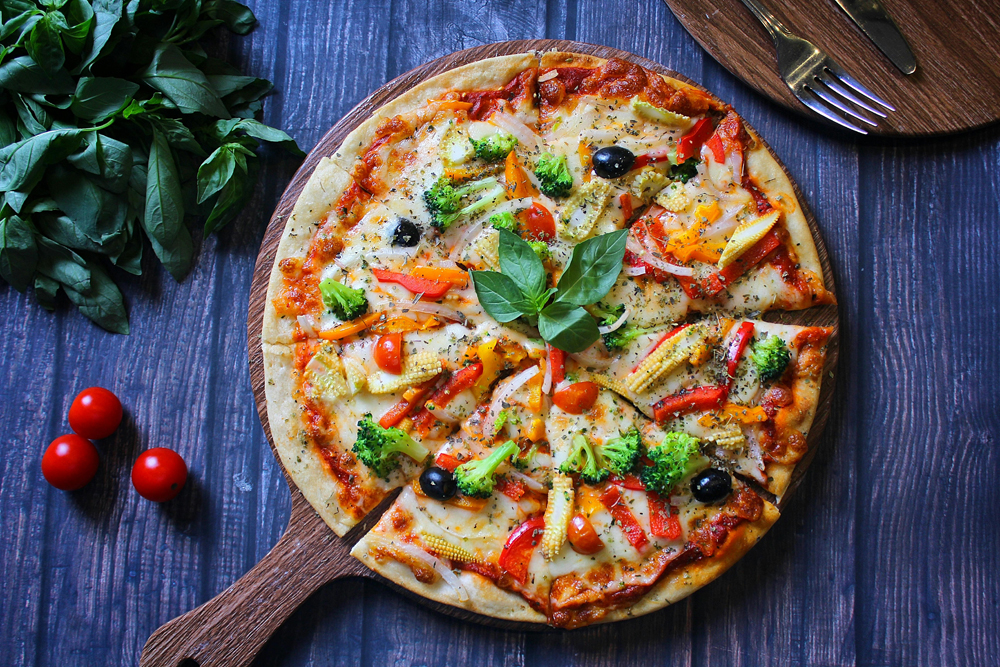
Kids are smart. They will pick up on it if something about their favorite food seems off, and when that happens, it can build distrust. Even worse, it might turn them off foods they used to love.
Sure, sneaking in veggies gets a few extra nutrients into their diet for now. But it doesn’t teach them to actually try (and like!) new foods. It’s more of a quick patch than a real solution.
What you really want is for them to learn to enjoy fruits and vegetables without feeling like they are being tricked into it.
Keep mealtimes stress-free.
Young children (especially toddlers) are known for being picky eaters, and there are a few reasons for this. One of the biggest is their growing sense of independence.
For toddlers around ages two to three, it is normal for them to start forming strong preferences and wanting to do things independently. They may not have much control over their lives, but mealtime is one area where they do — they decide when and how much to eat.
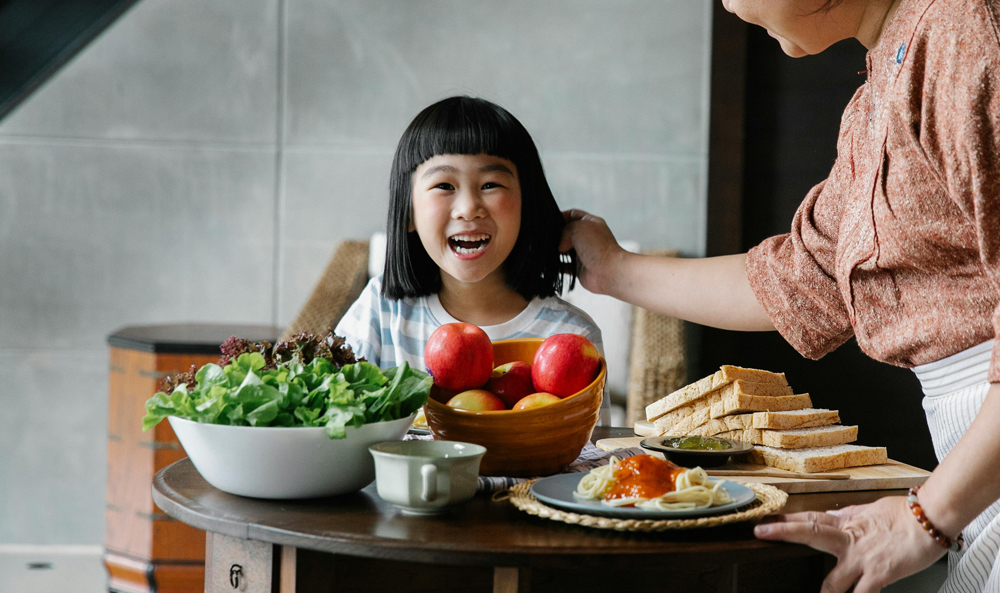
This can be frustrating for parents who are trying to encourage healthy eating habits. But avoiding getting into power struggles at the dinner table is important.
Keeping mealtime stress-free is key. When meals are calm, your child is less likely to develop negative feelings or anxiety around eating.
As tough as it may be at times, think of mealtime as a balance; you decide what goes on their plate, and they get to choose how much (or little) they want to eat.
Call vegetables something fun.
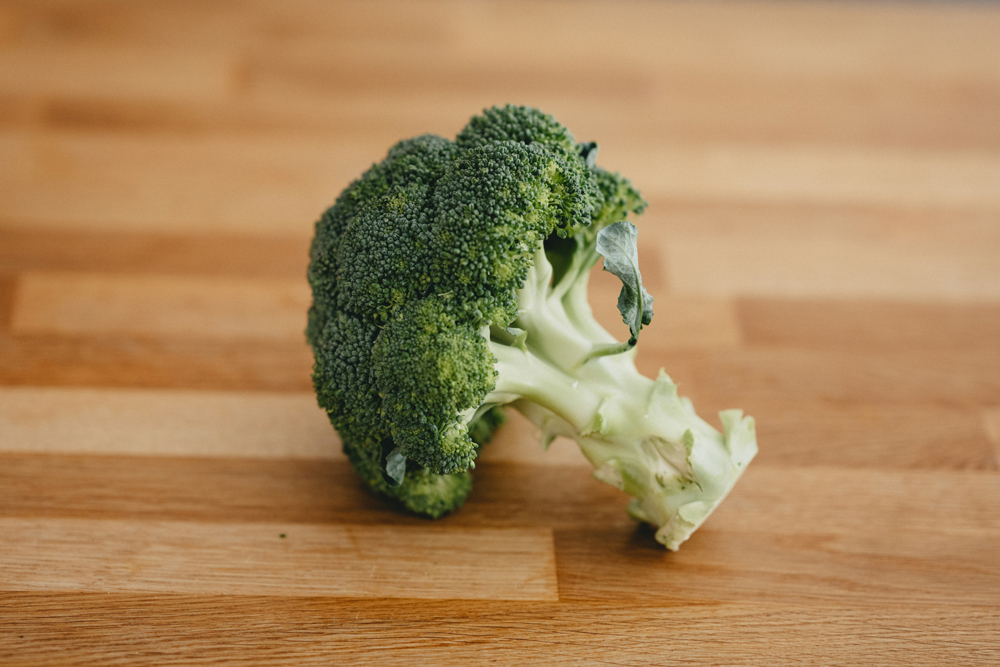
Giving fruits and veggies fun, catchy names can actually make kids more likely to try them—and even come back for more. Think “rainbow fruit salad,” “Ollie Bulb” for an onion, “Chauncey Carrot,” or calling broccoli “mini trees.” A little creativity can go a long way in sparking their curiosity (and appetites)!
Lead by example.
Children learn a lot by watching the adults around them — including how to care for their bodies. One of the best ways to encourage healthy eating is to lead by example. Fill your plate with the same vegetables you’d like your child to try, and make it a habit to sit down and enjoy meals together as a family a few times each week.
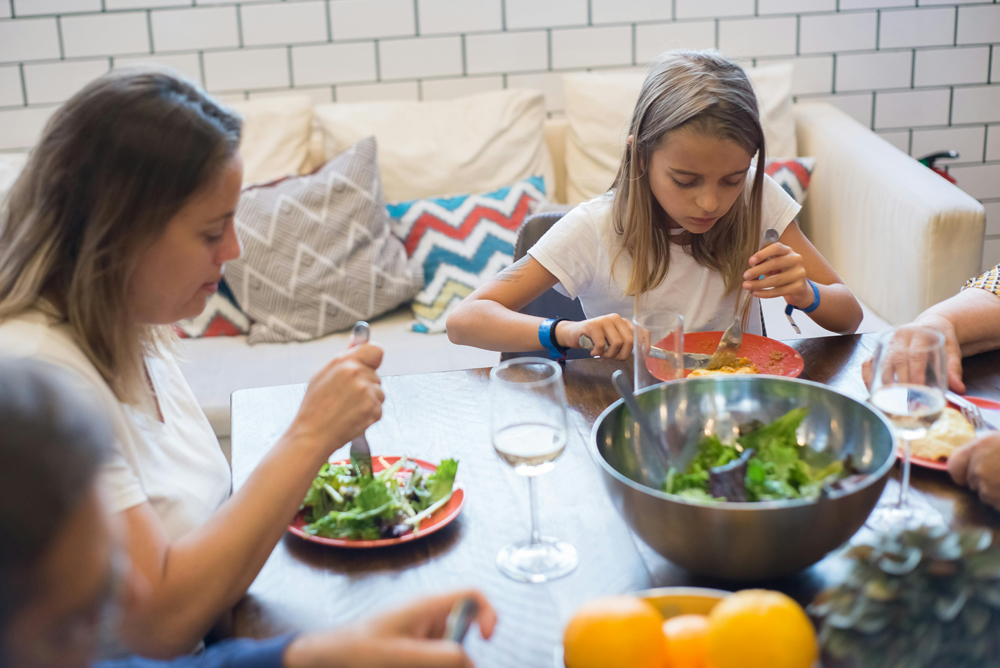
When kids regularly share meals with their families, they are more likely to eat more fruits and veggies. Plus, seeing you happily dig into a serving of Brussels sprouts or sauteed broccoli might inspire them to try it, too!
Be understanding and patient.
When it comes to picky eaters, patience really pays off. Instead of getting frustrated when your child turns down a new food, keep offering it at future meals. Research shows that children are much more likely to try a new vegetable after seeing it a few times.
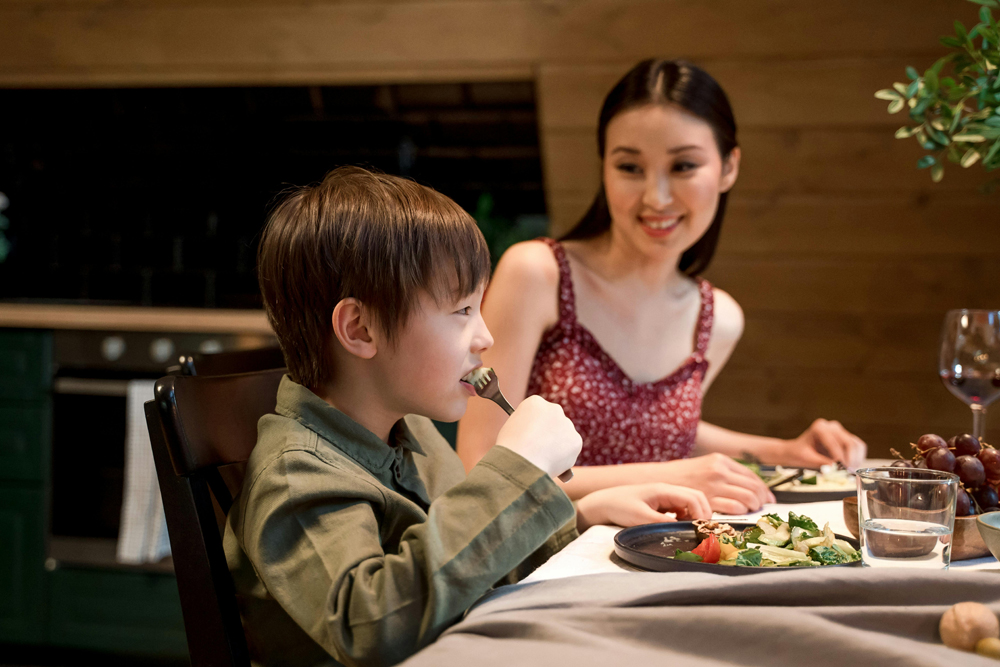
At the same time, try not to be too pushy.
Forcing children to eat something they don’t like can backfire, making them even more resistant and setting up a negative relationship with food. A better approach is to keep mealtimes positive and low-pressure, giving your child space to feel comfortable and curious about trying new things.
Consistency is key.
Try to offer vegetables at every lunch and dinner, and work fruits and veggies into snack time, too. Sometimes, veggies can be the star of the meal, and other times, they can just play a supporting role as a side dish. Either way, you should make them an important part of what you serve.
As parents, our job is to offer a variety of healthy foods, including vegetables. We can’t control what our kids choose to eat, and that’s okay.
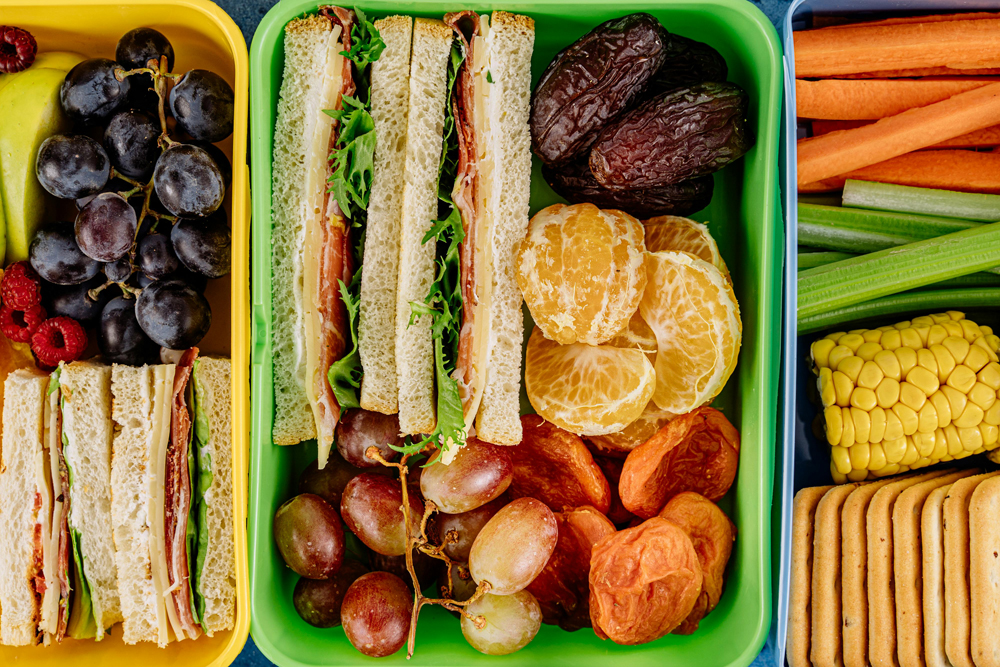
However, it is important to let them decide what they feel comfortable trying from the healthy options you have served on the table. Remember that nobody likes being forced to eat something they don’t want. And while it’s fine to encourage them to try new things, there shouldn’t be any pressure, rewards (like dessert deals), or punishments tied to eating.
Keep the big picture in mind: you are working toward helping your child build a healthy relationship with food and creating mealtimes you can all enjoy together. Arguing over a piece of broccoli or insisting on “just one bite” isn’t fun for anyone — and honestly, that one bite won’t make much of a difference health-wise, anyway.
Don’t Give Up
Picky eating is a normal part of childhood, and with a bit of support and patience, most kids eventually grow out of it.
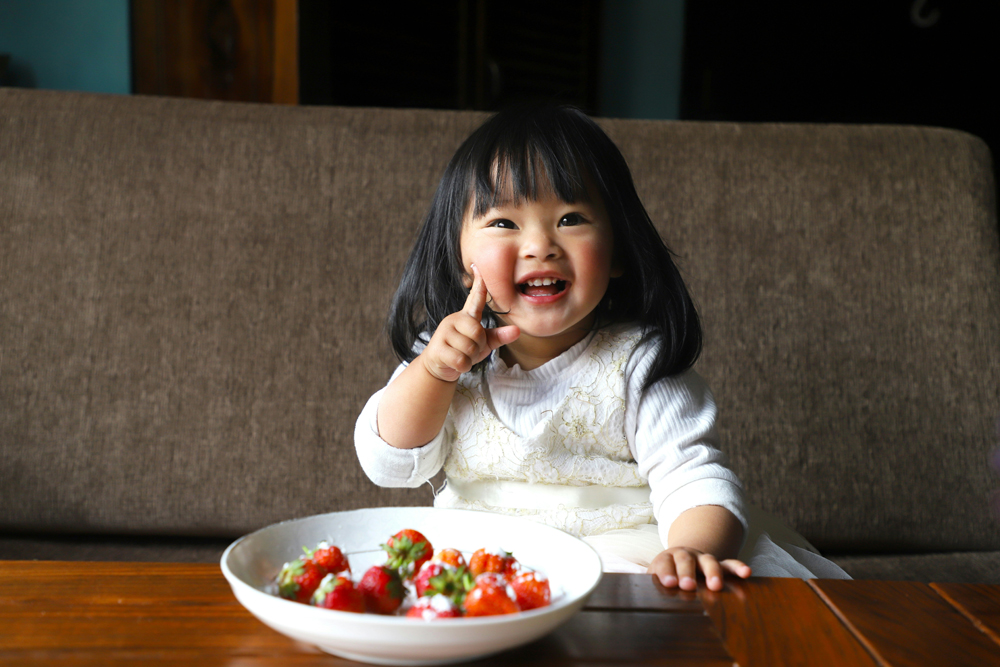
You can help encourage a balanced diet by consistently offering vegetables in different ways at every meal, involving your kids in meal planning and prep, and making sure they see you enjoying plenty of veggies yourself.
If you have been offering vegetables regularly and your child still refuses to try them, check in with your child’s doctor for a few more strategies on building healthy eating habits.
And remember, while fruits and vegetables are an important part of a healthy diet, letting your child leave a few broccoli florets on their plate now and then really wouldn’t hurt anyone.





Leave a comment