
There’s almost nothing more heartbreaking for a parent than hearing their child say they feel left out.
While exclusion and bullying have always existed, today’s social world is more complicated. It’s not just about what happens at school or on the playground anymore. So much of kids’ social lives now happens online. That opens up even more ways for them to feel left out or overlooked.
As they grow, friendships shift, and social situations can get more uncomfortable and confusing.
No matter how friendly, outgoing, or well-liked your child is, they will probably feel excluded at some point. Maybe they are the odd ones out in a friend group, getting left out of games at recess, or not invited to a birthday party.
As a parent, it’s tough to know how to respond. Should you let them work it out on their own or step in and offer support? Today, let’s talk about ways you can help your child cope with exclusion and build strong, lasting friendships.
Signs Your Child Might Be Feeling Neglected
When your child comes home and starts talking about their “worst day, ever,” the best thing you can do is simply listen. It’s natural to want to jump in and fix things right away, but try to hold back.
Remember that one of the most powerful parenting tools is just being present and tuning in. When your child feels left out, they are often ready to share their feelings if we give them the space to open up.
Pay attention to their tone.
A sharp response or refusal to talk can indicate that something didn’t go well at school. Don’t panic if your child heads to their room and avoids talk about the day, don’t panic. One off day isn’t necessarily a sign of something serious.
The key is to notice patterns over time. If they act differently for several days, it’s worth leaning in more.

Some kids need space to process their emotions, and that’s okay. Not wanting to talk right away doesn’t mean something is wrong. But if this shift in mood or openness continues and feels out of character, it may be time to ask deeper, gentle questions.
Notice changes in behavior.
If your child suddenly has trouble sleeping, seems more irritable, or is riding an emotional rollercoaster, those are signs something’s weighing on them. Changes in eating habits or avoiding activities they usually enjoy can also be red flags.
Pay attention to how they talk about spending time with others. If they go from wanting to be with friends all the time to saying, “I just need more alone time,” something might be going on with those friendships.
REALLY listen to their words.
If your once talkative child is now quiet, sulky, or withdrawn, listen closely when they do speak. Comments like “no one hangs out anymore,” or “I didn’t see them during recess,” are often more than just throwaway lines. They are clues to what’s really going on.
Refusing to talk about friends at all can be another sign of loneliness.

Let’s face it: while we all enjoy spending time with our kids, they must have their own social world as they grow. If they are not being invited to birthday parties, not getting playdate invites, or not spending time with more than one friend, chances are they’re struggling to find their place socially.
These are signs that your child may be hurting, and it’s time to explore what’s happening.
The good news? This isn’t permanent.
Most of the time, kids just need a little help learning how to navigate the tricky world of friendships—and that’s something we can teach them.
What You Can Do When Your Child Is Being Excluded
Here are several ways you can support your child when they’re feeling left out. You might have already tried a few of these, and that’s totally okay. The more we practice showing up for our kids, the better we get at it.
And if you have your own tips or ideas, I’d love to hear them! Feel free to share in the comments below!
Make space for your child to share
When your child comes home from school and tells you they feel left out, try your best not to react immediately. I know, it’s tough not to slip into full-on overprotective papa mode when your child is hurting. But take a breath and focus on creating a safe space for them to talk.
Encourage them to share, and when they do, just listen. Don’t interrupt, offer quick fixes, or downplay what they say.
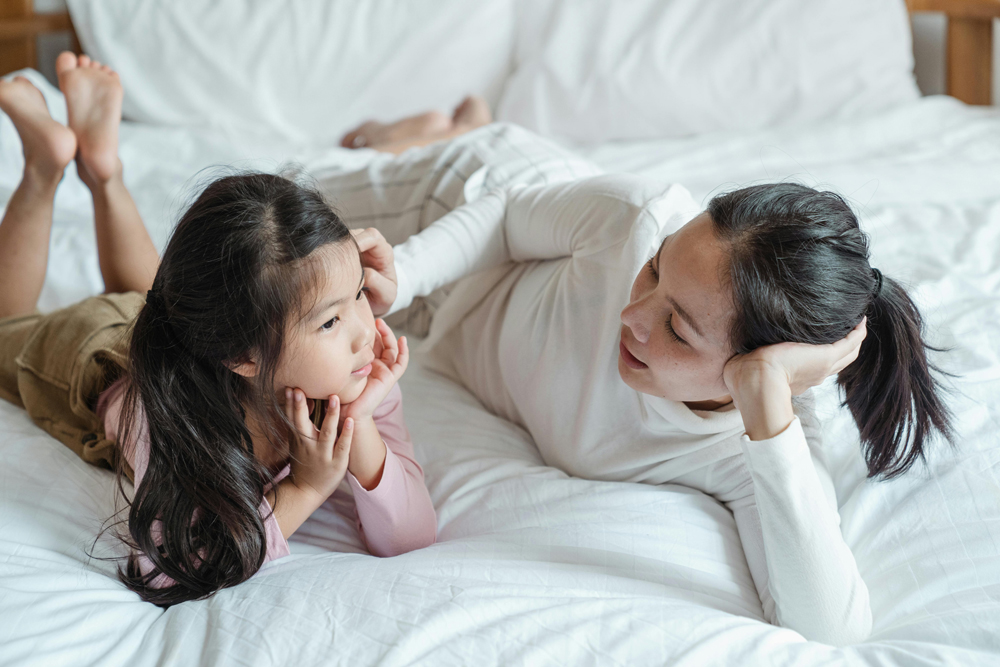
Once they’re done, take a moment to validate their feelings. Let them know you hear them and that feeling upset, hurt, or confused is okay.
Remind them they deserve to feel safe, included, and supported, always.
Stay calm and grounded
Gently remind your child that every kid goes through times like this, no matter how popular they seem. If it feels right, you can ask if they’d like to hear about a time when you felt left out as a kid. It can be comforting for them to know they are not alone in this.
Let them know that friendships will shift and change a lot, especially during the tween and teen years, and that’s completely normal. Help them focus on the positive connections they do have: the friends, family members, or even teachers who bring joy to their life and truly see their value.
Support your child in managing their emotions
Help your child discover healthy coping methods, like journaling, doing crafts, listening to music, getting active through sports or exercise, or even volunteering. A positive outlet can make a big difference when they feel stressed or anxious. It not only helps them manage their emotions, but it might also open the door to meeting others who share their interests.
Open up about times you also felt left out
Social skills don’t come naturally to everyone, and that’s okay.
Like any skill, they can be learned and strengthened with time, practice, and patience. What’s most important is that your child feels connected to you, not like they are being judged or punished for struggling to make friends.

Let them know they are not alone in this. If you have your own stories about friendship challenges, sharing them can help your child feel understood and supported.
Make sure your child knows it’s not because of them
Sometimes kids get left out, and it’s not always because someone meant to be unkind. Still, it can really hurt. Let your child know it’s okay to feel upset and remind them that they are not responsible for how others act.
Encourage them to connect with others
Encourage your child to reach out and spend time with different kids—they might be surprised to find others who share their interests. You can help by setting up playdates or getting them involved in group activities where new friendships can grow.
Expanding their social circle can boost their confidence and give them a sense of belonging, especially when they feel left out elsewhere.

Celebrate their victories, big and small
When your child takes steps to overcome challenges, celebrate those moments with them. Making friends (especially after feeling left out) isn’t easy.
So when you ask about their day at school, be sure to ask about the little things too, like what happened at recess or lunch. If they share something, really listen, and let them know you are proud of their effort to connect with others.
Voice out your concerns
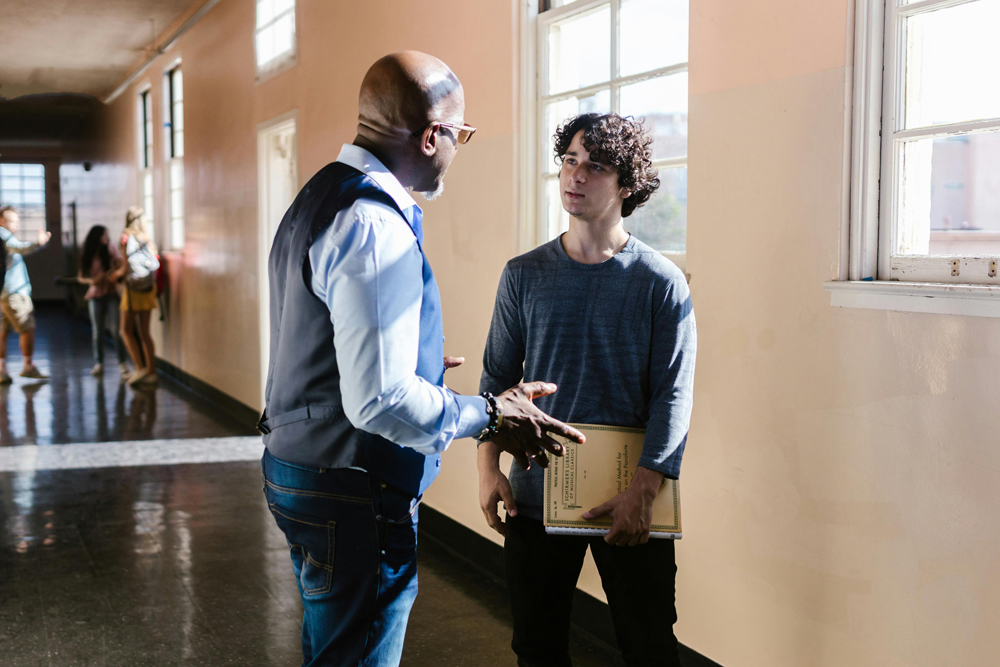
If you’re worried about what’s going on, talk to someone at school, whether it’s a teacher, a bus driver, or an administrator. They can offer insight into what your child might be experiencing outside the home.

If it seems like bullying is involved, find out what steps the school can take, and when possible, consider reaching out to the other child’s parent in a calm, respectful way. The sooner the issue is addressed, the more likely it is to improve. Solving these kinds of problems works best when everyone approaches it as a team.
Teach them to speak up when something feels wrong
Help your child learn how to stand up for themselves in a confident but respectful way.
Talk through how they can express when something’s bothering them and call out behavior that isn’t okay. Practice simple phrases together, like “Stop it—I don’t like that.” Let them know it’s always okay to ask for help.
If the situation doesn’t improve, remind them they can come to you, their teacher, or another trusted adult for support. They don’t have to handle it alone.
Make sure home is a place of comfort and belonging
Home should be where your child feels most safe and loved, especially when the outside world feels tough. If they feel isolated or struggle at school, do what you can to make home their safe haven.
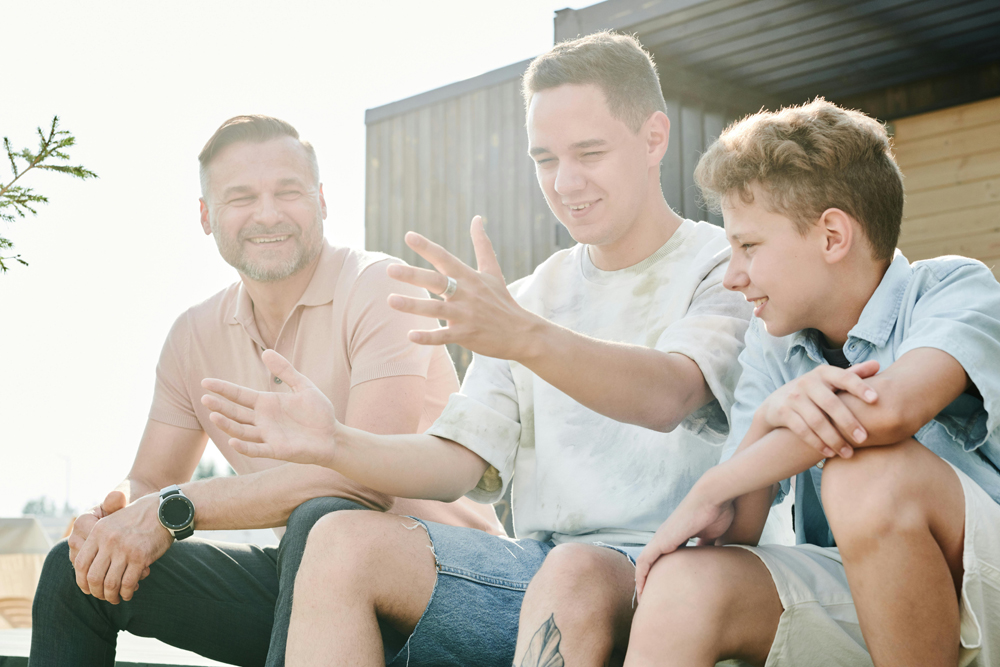
Let them know, both in words and actions, that they are unconditionally loved and deeply valued just as they are. While you may not take the place of a friend, remind them that you are always here, and they’ll never be left out or alone when it comes to their family.
Help Your Child Find Their Voice
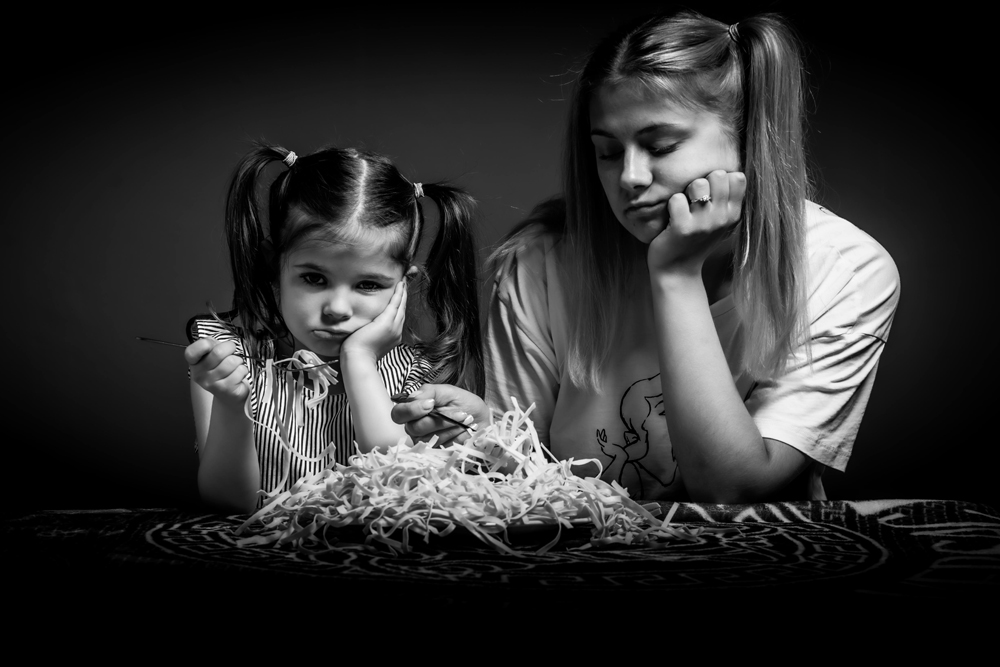
The truth is, when a child feels left out (and you can see it happening), it’s really hard, both for them and for you.
Children can be surprisingly tough on each other, and learning how to build friendships often takes time and practice. As a parent, you can help guide your child through those early steps because friendship skills like kindness, empathy, and communication help them feel accepted by their peers.
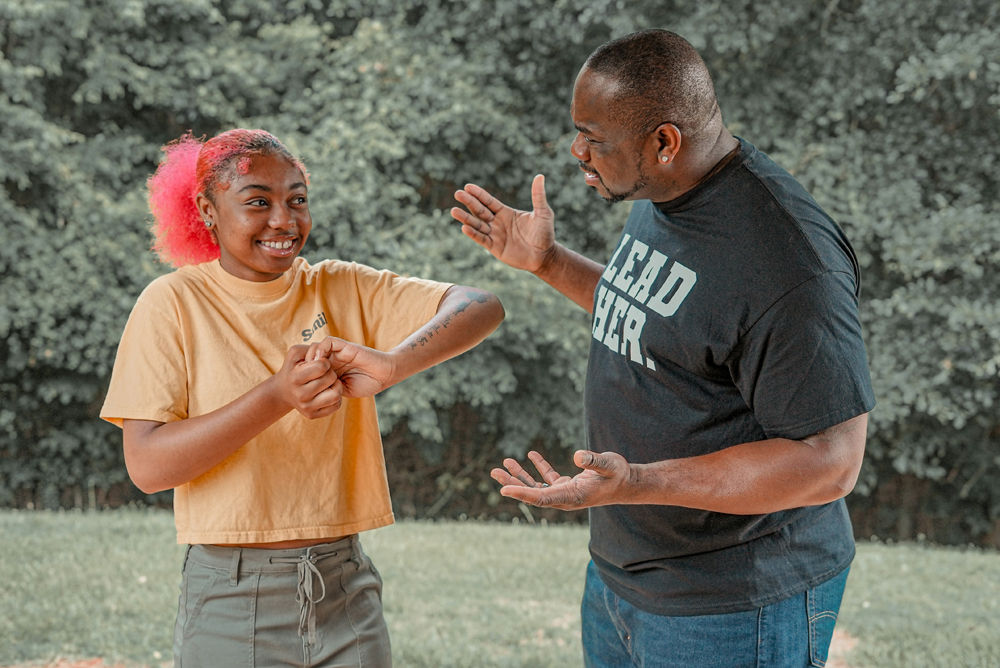
That said, this doesn’t mean your child has to change who they are just to fit in. What matters most is learning how to be a good friend. Skills like listening, showing up, and joining in can make a big difference—which are things you and your child can work on together.


 Over My Dad Body
Leave a comment