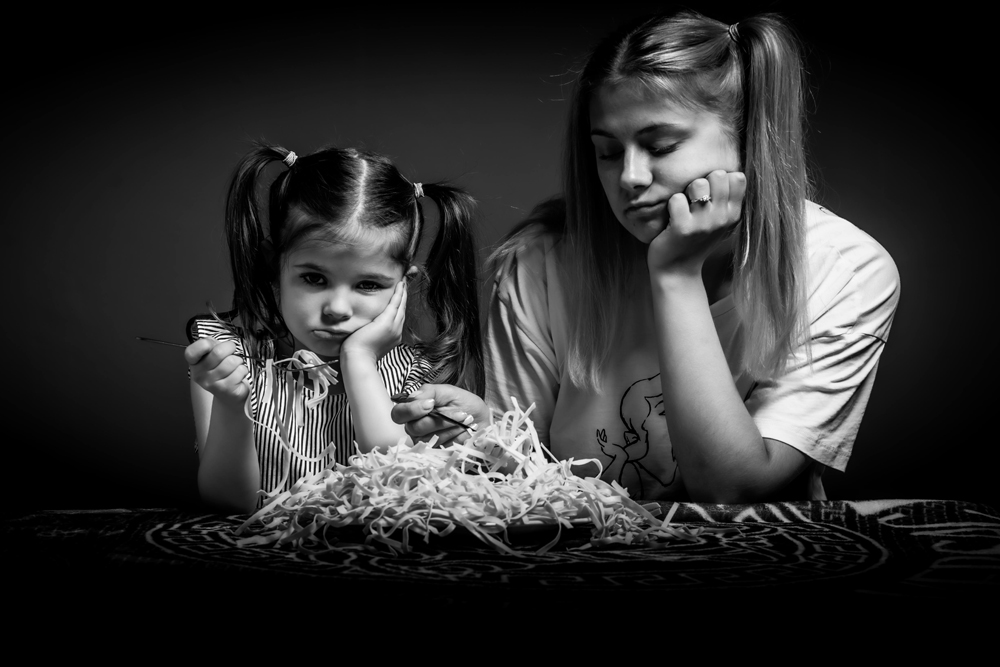
Jealousy and insecurity are nothing new; they go all the way back to Cain and Abel. Whether between siblings, classmates, or even a stranger, a child overhearing their parent praising can make those feelings creep in fast.
It’s easy for a child to hear, “She’s so good at painting,” and quietly think, “Dad must like her more than me.”
As adults, we (hopefully) learn to separate our worth from other people’s opinions. But kids are still figuring out who they are. It’s totally normal for them to wrestle with jealousy and insecurity as they try to make sense of their place in the world.
So how do we reassure our kids that we love them, without letting jealousy take root?
Here are some practical dos and don’ts for keeping sibling rivalry in check while raising emotionally healthy children.
Why do siblings get jealous of each other?
Sibling jealousy is that mix of emotions an older child often feels when a new baby joins the family. It can show up as anything from a bit of insecurity to outright resentment.
Even if your older child was excited about the baby during pregnancy, the reality of sharing your time and attention can be a tough adjustment, and sometimes it hits harder than expected.

For a young child, the idea of a new sibling is abstract until the baby is actually there, crying, taking up space, and soaking up Mom and Dad’s focus. Kids handle change in their unique ways, and what might look like a meltdown or bad behavior is often just their way of saying, “I need to know I still matter.”
Older siblings might feel jealous for all sorts of reasons, both emotional and situational, such as:
- Feeling left out. As parents turn their attention to the new baby, the older sibling might feel overlooked or less important.
- Age-related needs and changes. Because younger kids need a lot of care and attention, older siblings might have a hard time understanding why so much focus is on them.
- Feeling like it’s not fair. Older children might think their younger siblings are treated more gently or get more attention, making them resentful.
- Sharing space, time, and love. When resources like time, love, and belongings are limited, siblings may end up competing for them.
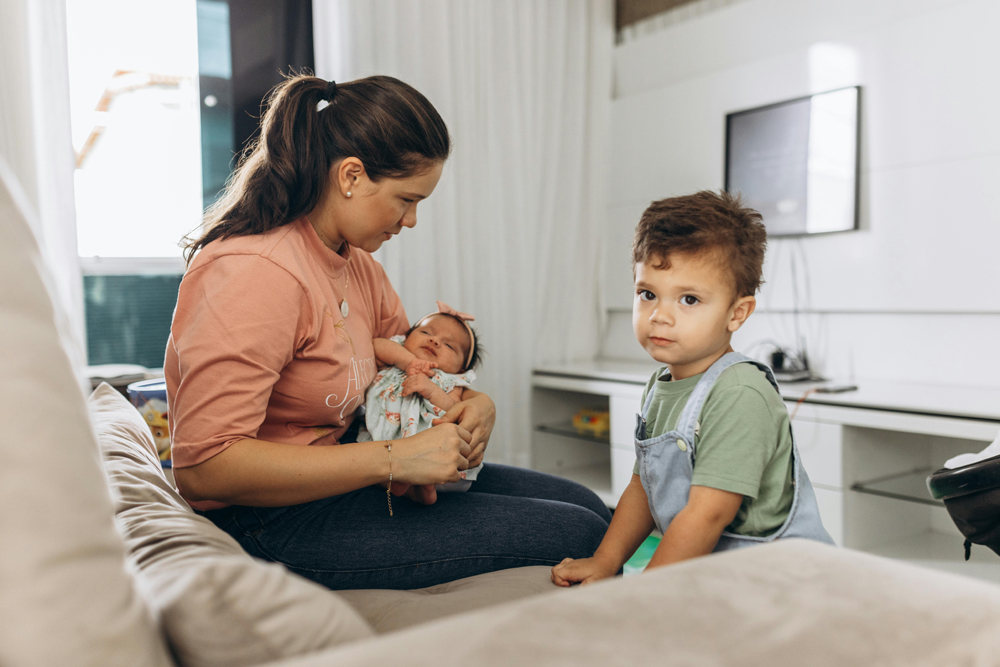
What Helps (and What Doesn’t!) When Your Older Child Feels Jealous of a Younger Sibling
My daughters are incredibly close—playing together, laughing, and creating lifelong memories. However, I understand that they will not always see eye to eye.
It’s totally normal for siblings to argue or clash from time to time. After all, they are different people sharing the same space, and a bit of rivalry is just part of growing up together.
So, what happens when that rivalry turns into jealousy? If your older child seems upset or resentful toward their younger sibling, what can you do to help?
Do:
Speak truthfully with your child
Hearing a sibling or another child get praised doesn’t have to be upsetting—especially if a child knows her parents genuinely see and value her own strengths and accomplishments. As parents, our job is pretty simple: notice what your kids enjoy and support them with honest encouragement that fits who they are.

Saying something like, ‘You’re going to be the next Serena Williams!’ might sound encouraging, but it’s not all that helpful. Kids are smart enough to know that’s a long shot. What really matters is showing them you’re paying attention.
So saying something like, ‘You’ve really gained confidence in your serves,’ lets them know you see their progress. When kids feel genuinely seen and supported, they are less likely to feel jealous when you recognize another child’s contributions too.
Help them feel understood
It’s easy to expect more from an older sibling, but that can sometimes lead to unfair responsibilities or overlooked emotions. You might find yourself giving more attention to your younger child simply because they need more help. They rely on you for almost everything, so it’s natural they take up more of your time and energy.
But that doesn’t mean your older child’s feelings don’t matter.

If they seem jealous or upset, take the time to really listen. Encourage them to talk about their feelings, and try not to dismiss their emotions just because you see things differently.
You can help them feel understood by saying things like, “I get why it might feel unfair when we spend more time with your sibling,” or “I’m sorry if we haven’t been giving you the attention you need.”
A little acknowledgment can go a long way. When kids feel seen and heard, they are more likely to open up, giving you a chance to better support them in the ways they need most.
Make time for some quiet moments
Spend time with your child just being together—no plans, no pressure.
When all your time together revolves around homework, lessons, or practices, it can feel like your relationship is based only on performance. Try doing simple things together, like going for a walk, playing a game, baking cookies, reading a book, or planting something in the garden.

And when you play that game? Don’t focus on how good they are; just enjoy it. What matters most is showing your child that you love spending time with them just as they are.
They’ll be less likely to feel jealous when they hear you compliment a friend’s painting or another kid’s talent. Why? Because they already know you love them for more than just their achievements.
Kids often see love as attention. So if your child seems jealous of the time you spend with someone else, it might be worth reflecting on the time you spend with them.
What’s the quality of that time like? Get down on their level. Put away your phone. Turn off the TV. Listen, really listen, to what they’re saying.
Few things say “You’ll always be my special one” like undivided, face-to-face attention. The more we show love, encouragement, and praise to the people around us, the more confident our kids feel that they’re deeply loved, too.
Show them they don’t have to compete for your love
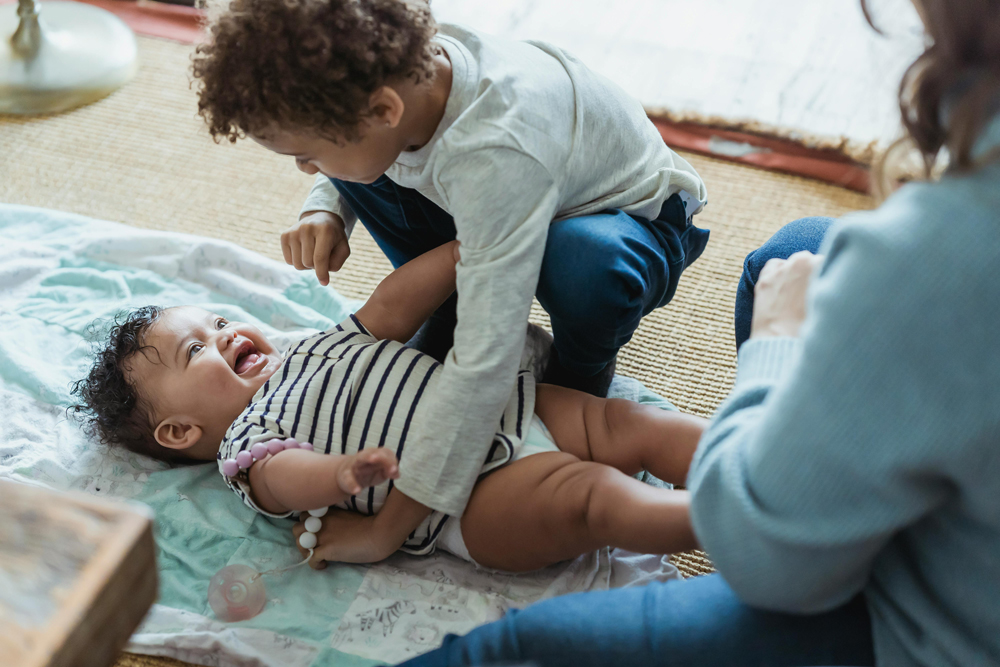
A new baby takes up a lot of time and energy, but even small gestures can help your older child feel just as important. Invite them to be your “number one helper” — let them hand you a burp cloth or pick out the baby’s outfit. Giving them these little jobs helps them feel involved and needed. And honestly, just 10 minutes of one-on-one time can make a huge difference.
Getting your child involved in baby care can also help them feel connected. You might play “baby care” with their dolls, let them put their hand on your belly to feel the baby moving, or simply reassure them about what’s going to stay the same and what might change. These small moments can really ease their worries.
Try to keep their usual routines, bedtime, meals, and familiar activities (family night!) as much as possible, and give them a heads-up when something is going to be different. If they have trouble waiting their turn for attention, a simple visual timer can help them understand when it’s their moment to be in the spotlight.
These steady, playful moments of connection help older kids feel included and loved—not pushed aside.
Prioritize your relationship
Parents, don’t hold back from sending your kids those sweet, maybe even a little cheesy, messages like “I love you,” “I’m thinking about you today,” or “I’m praying for you” (if you’re a dad of faith). Even a simple “I believe in you” can mean a lot. Let your child know you appreciate them just for being them, and for the relationship you share.
Children feel secure when they grow up knowing they are loved simply because they belong to you and not because of their achievements. So if they hear you praising another child, they won’t consider it a threat. They already know their value isn’t based on being the best or standing out. They know they’re loved, just as they are.
Don’t:
Over-inflate their ego
Encouragement is great, until it’s too much. When your child gets jealous of the attention you give another child, it’s tempting to reassure them with over-the-top praise: “You’re the smartest,” “the prettiest,” “the most talented.” But that kind of reassurance can actually do more harm than good.

Kids aren’t clueless. They know when they’re not the best.
They know some classmates score higher on tests. So when we tell them things that don’t match what they see and feel, it creates confusion. It can shake their trust in us, or make them wonder if we’re just not paying attention.
And the truth is, there will always be someone better at something. If your child believes they have to be the best to matter, then every success someone else has can start to feel like a threat. Jealousy becomes a constant companion instead of confidence and connection.
Stack them against each other
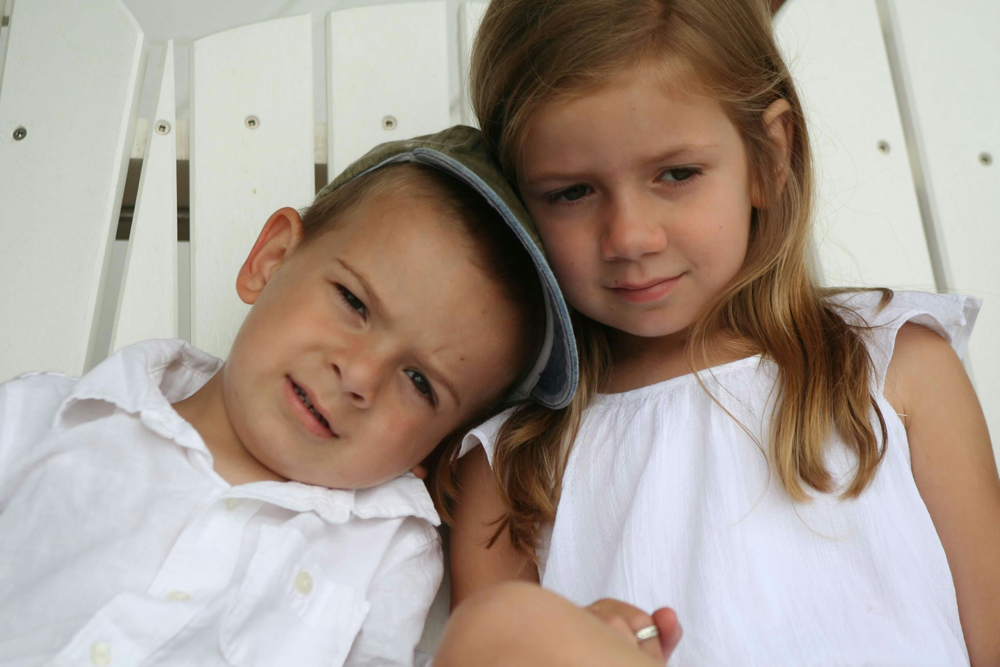
Sometimes kids assume their parents have a “favorite.” Of course, you know that’s not true, but it’s worth trying to see things from your older child’s perspective and consider why they might feel that way.
One of the biggest challenges siblings face is being compared to each other. And honestly, that comparison often starts with us as parents, even when we don’t mean to.
Maybe your younger child is naturally athletic, and you find yourself talking about their games a lot. Or maybe they get higher grades, and you mention their school success more often.
Sometimes, both kids share the same interests, but one just seems to catch on more quickly. Without realizing it, you might be highlighting one child’s strengths in ways that make the other feel left behind.
Comparison can quietly chip away at sibling relationships and your relationship with each child. Even if you’re not trying to compare them, your older child might feel discouraged when they hear you praise their sibling for something they struggle with. They might wonder, “What about me?” or “Do they even notice how hard I try?”
Over time, that can hurt their self-esteem. They might start to feel like they don’t measure up, or worse, that they don’t fully belong in the family.
Focus too much on performance
When children don’t feel secure in their parents’ love, they often start to believe that love is something they have to earn. They start thinking, “If I’m good enough, smart enough, cute enough, polite enough, then they’ll love me.”
So imagine a child hears, “Wow, look at those grades—you’re so smart!” But later, he overhears his mom talking about another kid who got even better grades. Suddenly, that praise doesn’t feel so good. “Mom loves me when I get a few A’s… so does that mean she loves my sister more because she gets all A’s?”

In his mind, love starts to feel like a competition.
A study on early childhood praise examined the difference between “person praise” and “process praise.” Person praise sounds like, “You’re so smart!” or “You’re really good at that!” On the other hand, process praise focuses on effort: “You worked really hard on that!” or “I can see how much you practiced.”
The researchers found something striking: the more process praise kids received in early childhood, the more likely they were to develop resilient, “can-do” attitudes by the time they reached grade school. It turns out that what we praise (and how we praise) can shape the way our kids see themselves and their ability to grow.
How to Make Sure Your First-Born Never Feels Left Behind
Sibling jealousy is not something that goes away in a day. But with consistent support, you can help keep it from turning into a long-term rivalry.
Here are a few final tips to help bring everything together:
- Point out when they are being thoughtful. Celebrate their sweet, small gestures like offering a toy or making the baby laugh.
- Show them they can count on you. Try to keep your word when you say you’ll play after the baby eats.
- Teach them they are on the same side. Give them little ways to help out that make them feel important.
- Be a safe space for their feelings. If they say something like, “I don’t like the baby,” don’t shut them down. Instead, acknowledge their feelings: “It’s okay to feel that way sometimes.” Then gently reassure them that you love them and that those feelings may change over time.
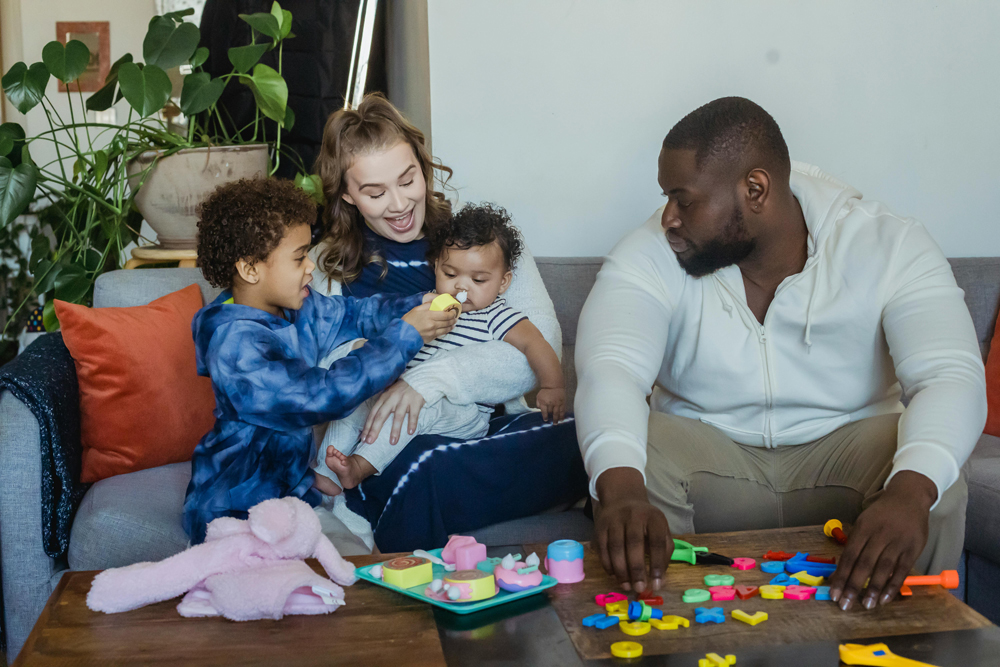
Remind Your Older Child How Much They Matter
My 12-year-old daughter was over the moon about becoming a big sister. She helped pick out the baby’s onesies, kissed my wife’s belly goodnight, and proudly told anyone who’d listen how excited she was to meet her little sister.
But now that the baby’s actually here, something’s shifted. She’s become aloof, avoids her little sister, and melts down anytime the baby gets more attention. Almost overnight, my confident, sweet girl seems unsure of where she fits in our family.
If this sounds familiar, you are definitely not alone. Sibling jealousy is a normal reaction when a new baby enters the picture. But with a bit of patience and the right approach, you can help your child adjust, feel secure, and even build a lifelong bond with their new sibling.
Start by validating their feelings, sticking to familiar routines, and carving out special one-on-one time with them. These small steps go a long way in reminding them they are still just as loved and important. Try to give them equal attention when you can, and really listen when they need to talk.
When your child feels safe coming to you with their big feelings, it’s easier to tackle jealousy before it becomes a bigger issue.
Hang in there because this phase won’t last forever. Your older child is just learning how to share your love. And with your support, they’ll get there. One day, you’ll catch them laughing together, sharing a snack or a secret, and you’ll realize: all your efforts were worth it.



 Over My Dad Body
Leave a comment