
Most parents know that the tween and teen years can really test the parent-child relationship. Being on the receiving end of eye rolls, defiance, or even outright rejection from your child is tough. It can be deeply upsetting.
It’s easy to feel discouraged when your once-sweet kid starts acting snarky, ungrateful, or distant.
Maybe your tween shrugs off your efforts to connect, or your teen pulls away from hugs and seems embarrassed by your presence. That shift can feel personal. Like a rejection of all the love you’ve poured into them, and it can leave you wondering what just happened.
The truth is, this kind of behavior, while unpleasant, usually isn’t something to panic about. More often than not, your child struggles with a mix of big feelings: frustration, powerlessness, and a growing desire for independence.
They don’t always know how to express those emotions healthily, so instead, they push boundaries (and sometimes buttons).
That said, while it’s important to recognize your child’s need for space and autonomy, it’s just as important to hold the line on respectful behavior. Independence shouldn’t come at the cost of kindness.
Why Teens and Tweens Get Attitude
Getting through these challenging years helps if you don’t take your child’s attitude personally.
That doesn’t mean turning a blind eye to rude or disrespectful behavior. But it does mean developing a sense of “insensitivity” and remembering that most of the time, this behavior is more about what your tween is going through than a direct attack on you.

There are a few key reasons why attitude tends to ramp up during the tween and teen years:
- Their brains are changing fast, making them more impulsive and emotional. That’s why they might overreact, getting really angry or upset over things that seem minor to adults.
- They are starting to pull away and form their own identities, which often includes pushing back against their parents.
- On a deeper level, they are testing boundaries. Children this age are trying to figure out how much power they have, and they actually need their parents to stand firm so they feel safe and secure.
- They are also deeply distracted by their changing bodies, shifting emotions, and social lives. Their focus is on their own world, which means they often forget (or don’t even notice) how their behavior affects others.
It’s important to be clear: just because this behavior is part of development doesn’t mean parents should ignore it or let it slide. But understanding where it’s coming from can help you respond with patience and consistency, which are much more effective than frustration or punishment alone.
Even though it can be tough on parents, it is actually a healthy part of growing up for tweens to express their feelings like this as it helps them take important steps toward maturity.
How to Handle Disrespect From Your Teen Without Losing It
With my daughter, I noticed that her disrespectful moments weren’t constant. They usually flared up when she was overwhelmed by school or just plain exhausted from a packed schedule. What’s helped me the most is starting with a calm, gentle approach and only stepping it up if her behavior doesn’t improve.
Here’s what’s worked for me.
Try to stay calm and don’t take it personally
I can’t stress this enough: getting into a full-blown argument with a teenager (especially when they are acting impulsively or immaturely) will never end well. Their brains are still developing, and taking their disrespect personally will only escalate things.
Instead, I suggest letting the small stuff go. Things like eye rolls, heavy sighs, or sarcastic tones might be annoying, but they are usually not worth a fight. Take a step back and ask yourself which behaviors are truly disruptive. Focus your energy on addressing those, using calm and consistent consequences.
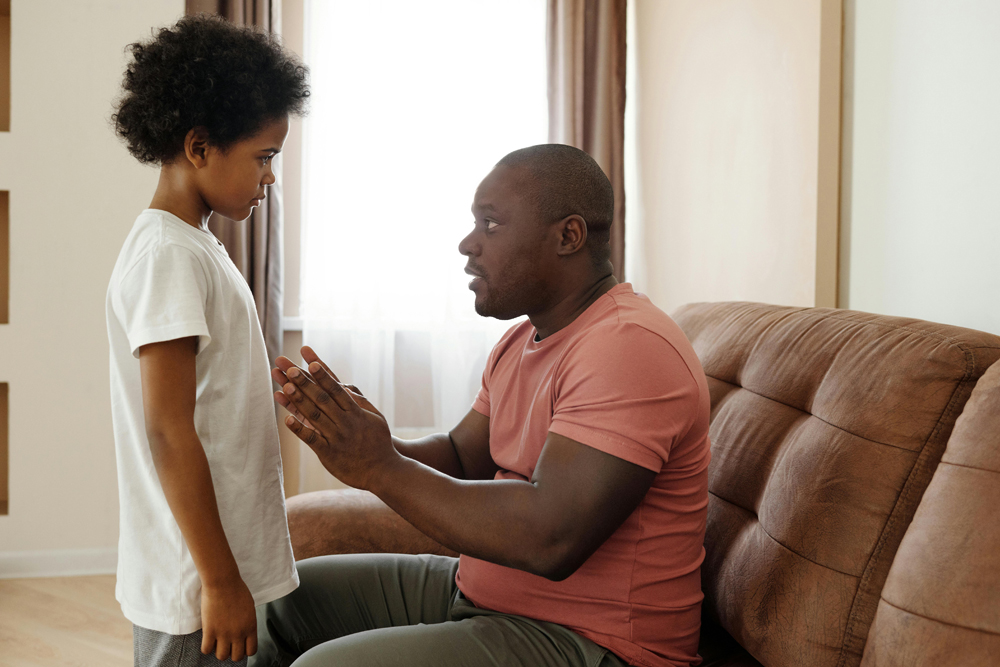
No matter how heated things get (or how rude or disrespectful your teen may become) it’s crucial that you stay calm. Try not to take it to heart. Step away if you need to. Go for a walk or a short drive, but avoid getting pulled into a shouting match. No one wins in that scenario, and the fallout can hurt your relationship, which is something you want to protect above all else.
Remember, don’t take the bait. Be the adult in the room, even when it’s tough.
Be the role model your child needs
Where do kids learn that being disrespectful is a way to deal with problems?
Most often, it’s by watching someone they look up to handle frustration the same way. That’s why one of the most effective ways to teach respect is for us to model how to handle anger in a healthy, respectful way.
Try not to speak negatively about others behind their backs, and make an effort to stay polite (yes, even when you’re dealing with someone difficult), especially when your kids are watching. They are learning how to act by watching how you act.
Recognize this growing-up stage
As kids grow (especially during the pre-teen and teen years), it’s entirely normal for them to start testing limits. When they push back against rules, it’s usually not about being defiant. It’s part of growing up and figuring out how to become their own person.

Teenage years are all about identity and self-discovery. You might notice shifts in your child’s attitude or behavior as they explore who they are. A little sass or rebellion is often just part of the process. Keeping that in mind can help you respond with patience instead of frustration when something feels disrespectful.
That said, it’s still important to set clear boundaries. Unsafe or harmful behavior is never okay. But understanding what’s just typical growing pains can go a long way in keeping a strong, respectful relationship with your tween. A little backtalk comes with the territory; how you respond can make all the difference.
Pick your battles
Parents, you don’t need to respond to every eye roll, dramatic sigh, or sarcastic comment.
Choosing not to engage in every little battle doesn’t make you a pushover, especially if your teen is usually a good kid who’s just having an off day.
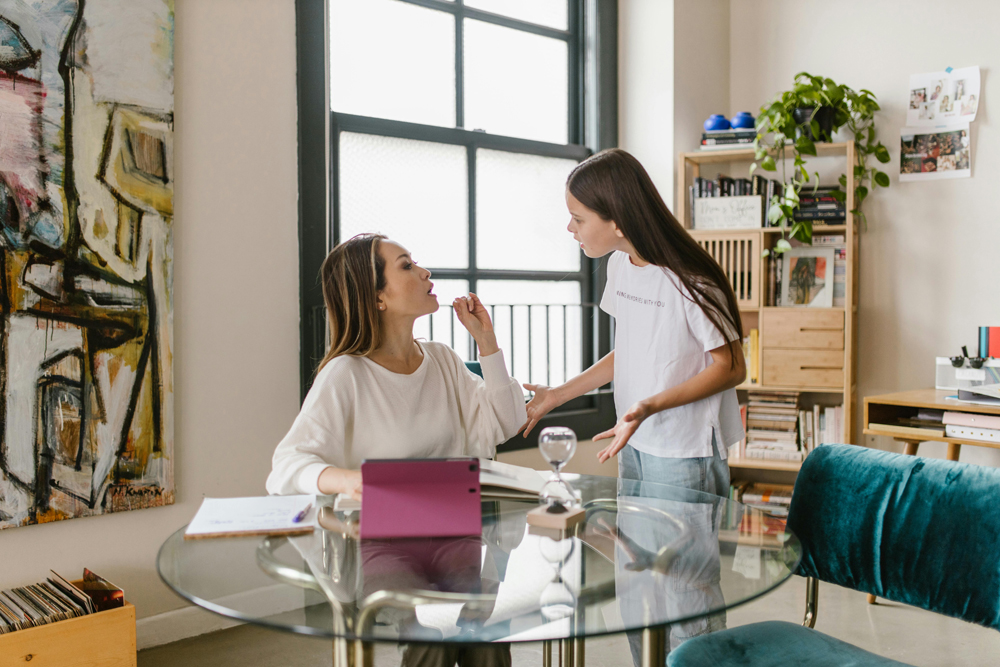
With my tween daughter, I try to give her a “free pass” now and then.
We all have rough days. We all get overwhelmed, frustrated, or just plain moody. And let’s be honest—teens are going through a whirlwind of hormonal changes that even they don’t fully understand. So, try not to hold your child to a standard you couldn’t meet yourself. You don’t need to call out every moment of attitude.
Sometimes, the best response is no response at all.
Don’t force respect, earn their trust instead
As tempting as it might be to say, “I’m the parent, so you have to respect me,” trying to demand respect from your child usually backfires.
Why? Because you can’t force someone to genuinely respect you. And when you try, it often just creates more resistance and frustration.
Instead of focusing on how your child feels about you in the moment, shift the focus to their behavior. It’s okay for them not to like a rule, but they still need to follow it, and being rude won’t change that. Make it clear that disrespectful behavior isn’t acceptable, no matter how upset they are.
Be the support they need
The environment at home plays a significant role in how kids behave. When things feel tense or chaotic, it can lead to more acting out. But when everything is calm, supportive, and steady, it helps reduce those moments of disrespect.
Keep the lines of communication open. Let your child express their thoughts and feelings without fear of being judged. Really listen, not just to respond, but to understand where they’re coming from.
Make time to connect. Simple things like one-on-one moments or regular family dinners (with phones put away!) can go a long way in easing tension and building trust.

Pay attention to signs of anxiety or depression. Sometimes what looks like disrespect is actually a sign of something deeper. If needed, don’t hesitate to reach out for professional support.
And above all, show love—even when things get tough. Remind your child that their value isn’t based on their behavior. When kids know they are unconditionally loved, they are better equipped to face whatever life throws at them.
Create a safe space for your child to speak up
For kids to open up and communicate honestly, they need to feel safe, like they can share what’s on their mind without being judged. Creating that kind of space is one of the best ways to prevent disrespectful behavior before it even starts.
Look for natural moments to talk, like during car rides or walks. Times when conversation tends to flow more easily. Be available, and when they are ready to speak, just listen. Try not to interrupt or jump in too quickly.
You can also set up a specific place, like their bedroom or a cozy corner, where they know they can speak freely. Make it clear that this is a judgment-free zone, where they won’t be met with anger or punishment.

Let them take the lead in conversations, and only step in with advice or guidance if they ask for it. That kind of trust goes a long way in building a stronger, more cooperative relationship.
When kids feel secure enough to express themselves, they’re much less likely to let frustration build up and come out as disrespect. Taking the time to build that kind of environment now can save a lot of heartache later.
Hear them out
Children want to feel heard, understood, and taken seriously. In my experience, a little compassion can go a long way when it comes to helping them manage their emotions and feel supported.
Give them your full attention, without judgment. Make eye contact, really listen, and try not to interrupt. Let them know their feelings are valid with simple responses like, “I get why you’d feel that way.”
Show genuine interest by asking thoughtful questions, and repeat back what you’ve heard in your own words to ensure you understand them correctly. Avoid brushing off their emotions or labeling them as silly or over-the-top.
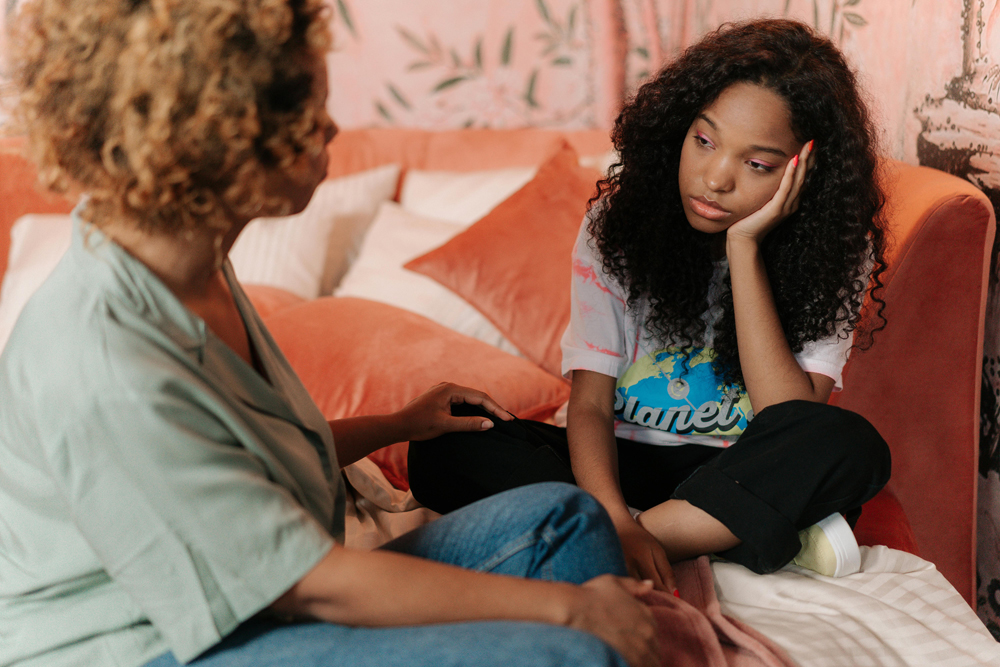
Remember that what feels small to us might feel huge to them.
Try not to lecture. Instead, share how their behavior makes you feel, without placing blame. Ask for their point of view and let them know their feelings matter. Look for a compromise if you can.
When you listen actively, you show your child that what they say matters. This builds trust and makes them less likely to act out just to get your attention.
Helping your child feel truly heard meets a deep emotional need. And by staying patient and modeling calm, respectful communication, you are teaching them how to express themselves in healthy, constructive ways.
Be clear about what’s okay and what’s not
Children thrive when they know what the rules are and what’s expected of them. Clear boundaries give them a sense of security and help guide their behavior.
Take time to calmly explain your rules and the reasons behind them. When kids understand the “why,” they are more likely to respect the “what.”
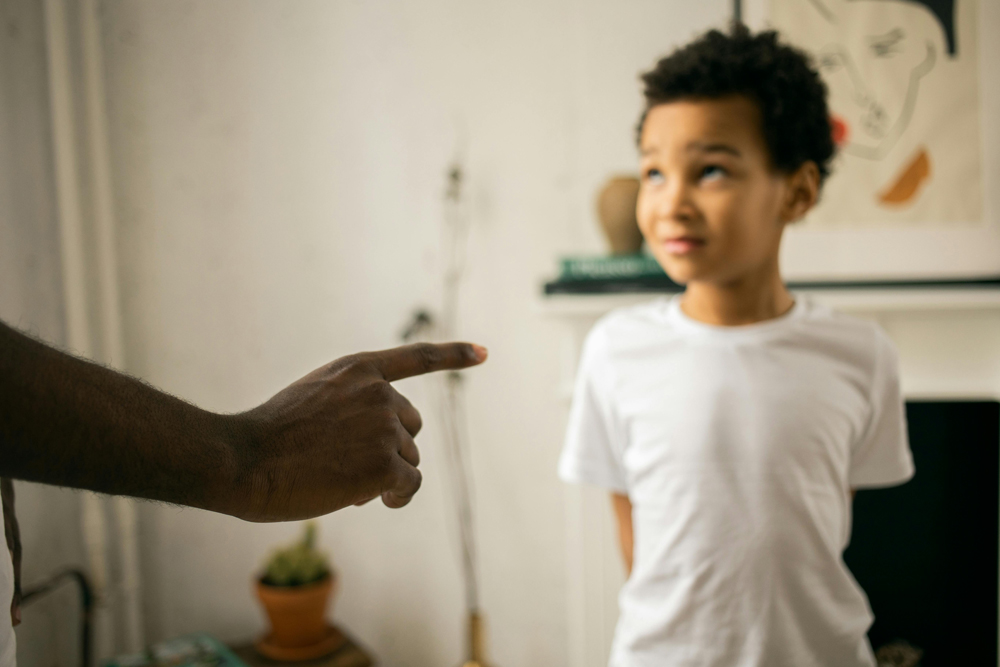
Remember that consistency is key. Try your best to stick to the boundaries you’ve set, day in and day out.
When those boundaries are crossed (and they will be sometimes), have fair and age-appropriate consequences in place, like taking away a privilege or giving a time-out. What matters most is following through with calm and care, not anger.
Clear expectations, paired with predictable consequences, help kids feel safe and understood. They learn what’s okay and not and why it matters. It’s not about being strict, it’s about being steady.
Rules, when given with empathy, don’t just keep the peace at home; they also help raise children who treat others with respect. Over time, they will start to carry those values with them, even when you’re not around.
Teach your child to express feelings with respect
It’s normal for children to feel angry, frustrated, or irritated; that’s just part of being human. But when they don’t know how to handle those big feelings, it may come out as disrespect.
That’s why teaching your child healthy ways to cope with strong emotions is so important.
Show them simple tools, like deep breathing or taking a break to cool down before responding. These small strategies can make a big difference in how they react.
You can also model how to express emotions respectfully. Try using “I feel” statements, like “I feel frustrated when I’m not being listened to.” It’s a way to speak honestly without blaming or attacking. Practice this as a family, especially during calm moments, not in the heat of an argument.
It also helps to let your child see how you handle tough emotions. Share what you do to stay calm. Maybe you can take a few deep breaths, count to ten, or step away for a minute.
Children learn a lot just by watching how we handle things.
When children learn to manage their emotions, they are much less likely to lash out or speak disrespectfully. And those skills will benefit them far beyond childhood.
Be patient, keep practicing, and remind them (and yourself!) that growth takes time.
Help them see their strengths
When our child is being especially defiant, it’s easy for us to respond by tightening the rules and becoming more strict. But in the process, it is common to forget just how powerful positive feedback can be.
Kids need to know what they’re doing right, not just what they’re doing wrong. Otherwise, they are left without a clear sense of what to aim for.
And if all they hear is criticism, resentment can start to build.
So when your child tries to listen or makes a good choice, let them know you see it. A simple, sincere word of praise can go a long way. Even better, try to catch them doing something good before they mess up.
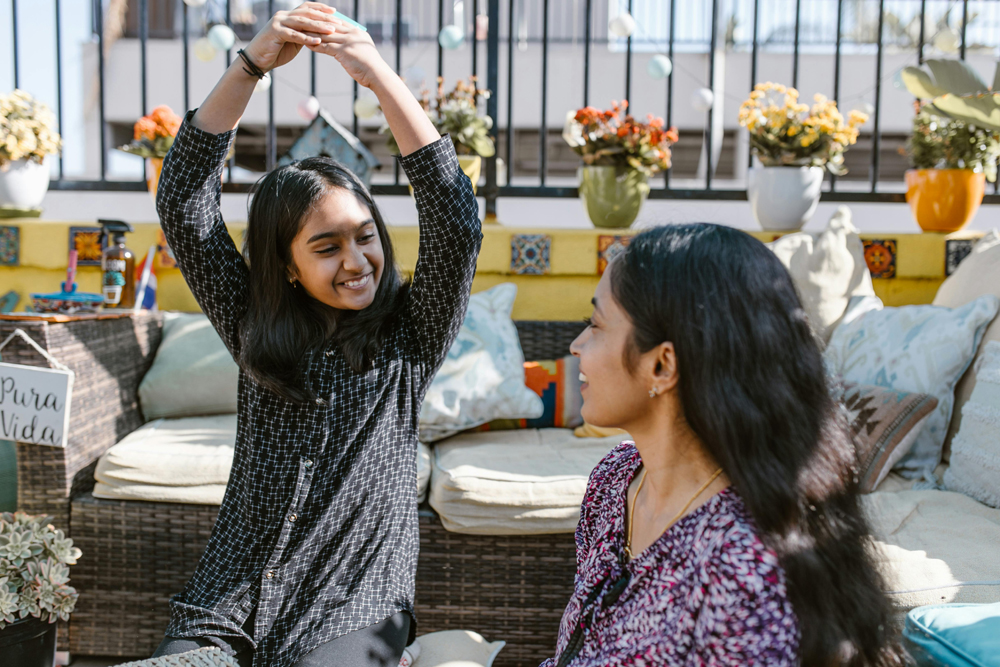
For example, when I see how my older daughter managed to stay calm while her little sister is pushing her buttons, I take a moment to say, “I saw how you kept your cool, that was really nice, and I’m proud of you.”
Little moments of encouragement help shape behavior just as much (if not more) than consequences do. They also remind your child that you see the good in them, even on the tough days.
When they fall short, let them try again
When my daughter gets snarky or speaks to me with an attitude, I try to give her a second chance to turn it around. I remind myself that I’m her safe space. Our children spend all day keeping it together, at school, with teachers, friends, or coaches.
By the time they get home, the filter comes off. And honestly, that’s okay—within reason, of course. It’s not about letting disrespect slide, but about understanding where it’s coming from and giving them room to correct themselves.
Don’t just hope they’ll grow out of it
Another dad once gave me some advice that stuck with me: Don’t convince yourself your teen will just grow out of being rude or disrespectful. The truth is, if that kind of behavior isn’t addressed, it often doesn’t just disappear; it grows with them.
Disrespectful teens can easily become disrespectful adults. How we respond now, whether we ignore it, excuse it, or guide them through it shapes how they’ll act in relationships, at work, and in life down the road. Our response matters more than we think.

Understand that your tween is still learning, just like you did
Our kids are still growing in every way—physically, emotionally, and mentally.
Think of it like there’s a whole transformation going on inside them. And as we all know, changes can get messy. Things get noisy, chaotic, and a little unpredictable.
So try to be patient and remember: your teen is trying. They really do want to make you proud. They want to feel close to you. And believe it or not, they want peace at home just as much as you do.
Parenting Tweens is All About Balance
As a dad who’s about to enter the teen years with my daughter, I’ve definitely already faced my fair share of attitude and eye rolls. If you are raising a teenager, chances are you’ve been there too—it just comes with the territory.
The strategies I mentioned can help manage most mild to moderate disrespectful behavior. They are not magic fixes, but they go a long way.
I’ve come to realize that there’s no one-size-fits-all answer when it comes to handling disrespect from our teens. It’s messy, it’s unpredictable, and it’s different for every family.
But with enough patience, love, and clear, consistent expectations, we can guide our tweens to understand what respect looks like toward us, themselves, and others.
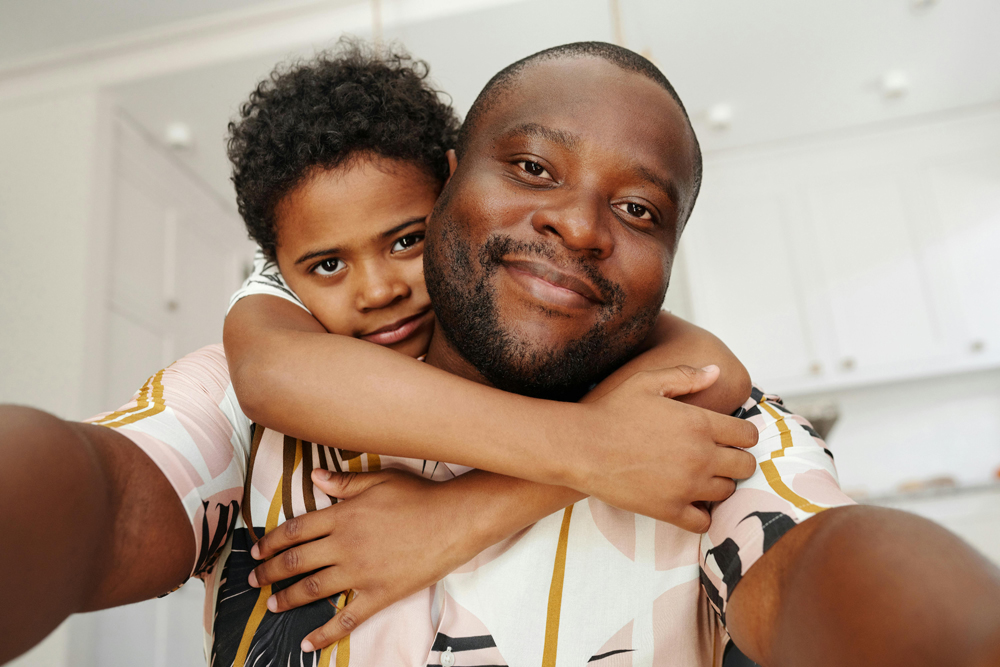
The goal is not to demand their respect. It’s to earn, model, and teach it in a way that sticks. Because when our teens genuinely respect us, they are much more likely to listen, trust, and follow our lead.


 Over My Dad Body
Leave a comment