
At some point during their kindergarten or elementary school years, each of our kids went through a phase where they’d complain of an upset stomach before school. It almost always started the night before. I’d tuck my daughter in, say goodnight, and then—like clockwork—she’d start worrying about the next day. Her mind would race with thoughts about school, and those anxious thoughts would show up as a stomachache.
While she didn’t always realize it (and definitely wouldn’t admit it), but it was really just anxiety. School made her nervous.
It was the same story every year. She’d be excited for the first day—new backpack, fresh pencils, big smiles. But soon after, the bellyaches would begin. The nerves would creep in.
The teary eyes when she realized she was going to miss me during the day. The fear of being away from home for so many hours. It all just felt like too much.
My older daughter struggled with separation anxiety for months after starting school. It was hard—for her and for me. But we got through it.
These tips I’m sharing aren’t magic, but they helped. And they really do make a difference.
Signs Your Child Might Be Struggling With Anxiety
When our kids feel nervous about school, it often shows up as a tummy ache.
Honestly, it’s not so different from what we feel as adults—like when we’re starting a new job, walking into a new gym, or giving a presentation to a room full of strangers.
That uneasy, jittery feeling? Your child feels it, too.
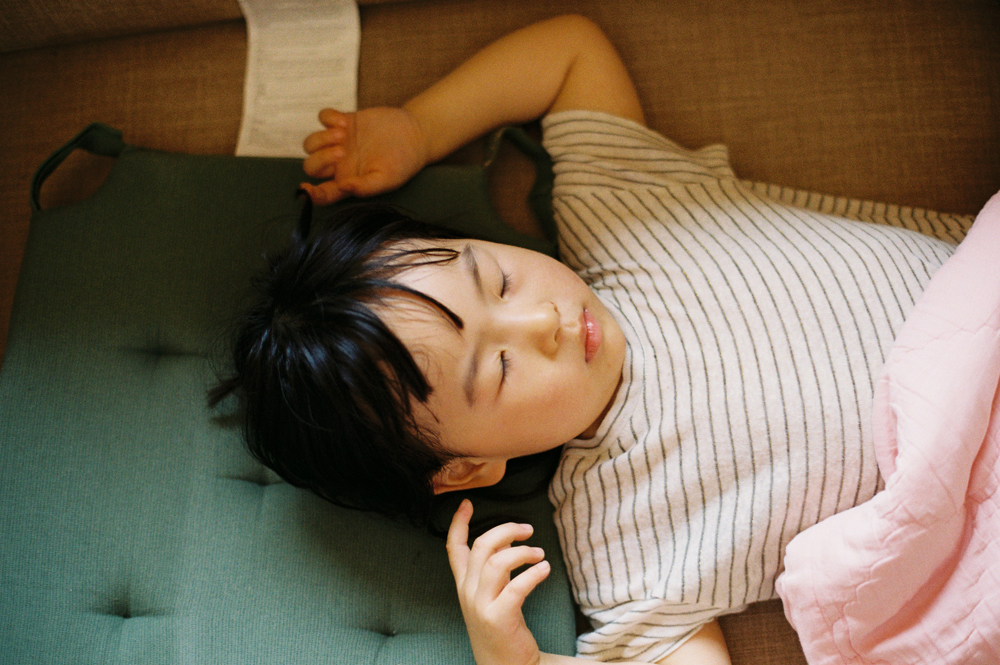
Here are some common signs that your child might be dealing with anxiety:
- They might have trouble falling asleep—or staying asleep through the night.
- During the day, they could seem extra tired or worn out.
- You might notice they’re more irritable or short-tempered than usual, snapping over little things.
- It can also be hard for them to concentrate, and sometimes their bodies show the stress too—like tense muscles or a clenched jaw.
And while it’s less common, some kids may even experience panic attacks. That can look like sweating, shaking, a racing heart, trouble breathing, feeling cold or dizzy—all really scary things, especially for a child.
What Triggers Anxiety in Kids?
Most babies and young kids go through a phase of separation anxiety—it’s totally normal and usually fades with time. Even if it reappears when they are a little older, it typically doesn’t stick around for long.
So, what’s behind the anxiety?
Honestly, it can be many things or something really simple. Sometimes, anxiety is even a learned behavior. If a parent tends to worry, kids often pick up on that and start worrying, too.
Of course, it’s always good to rule out the obvious first. Are they being treated well? Is something—or someone—bothering them at school? Are they scared of getting in trouble with their teacher?
In my case, I knew it wasn’t any of that. My daughter has always liked her teachers. In all her years of school, we haven’t had a single one she didn’t enjoy. She had great classmates, too. So it wasn’t about the people at school.
Sometimes, it really just comes down to this: they miss us.
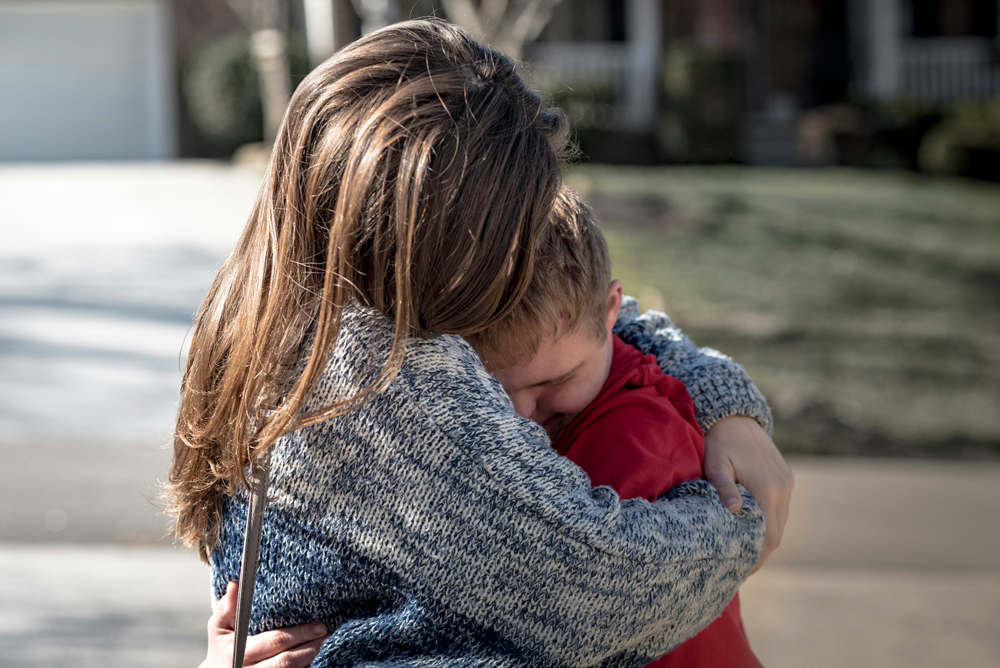
The thought of being away from home for that many hours feels big and overwhelming. That’s enough to cause separation anxiety all by itself.
What’s the Best Way to Support a Child With Separation Anxiety?
I was really worried when my daughter started having stomachaches every day before Kindergarten. It went on for days, and I started wondering if something more serious might be going on. My wife’s cousin, a doctor, even came over to check on her just to be safe and rule out anything medical.
Thankfully, it wasn’t anything physical. It turned out to be anxiety—plain and simple.
If you are in the same boat, here are a few things you can try to help your child work through separation anxiety:
Help them feel safe with a steady routine
Try to keep drop-offs as consistent as possible. Same routine, same time, same steps each day. The more predictable it is, the less room for unexpected surprises that can throw your child off.
A simple routine can really help ease the emotional stress. It gives your child a sense of stability and helps them build confidence not just in being on their own, but in knowing you’ll always come back.
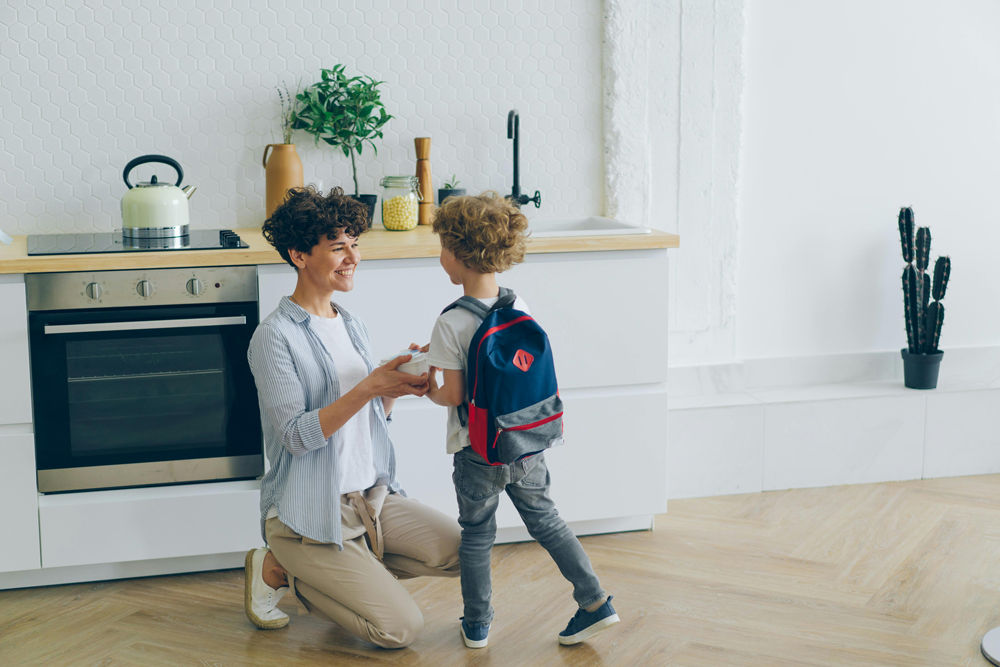
Keep goodbyes short and sweet
Whether it’s a goofy handshake, three quick kisses, or handing over a favorite blanket or stuffed animal, keep it short and sweet. The longer you linger, the longer the transition takes and the more time anxiety has to creep in.
Break down plans in a way your child understands
When you talk to your child about when you’ll be back, use words and time frames they actually understand. If you know you’ll be back by 3 p.m., try saying something like, “I’ll be back after nap time and before your afternoon snack.”
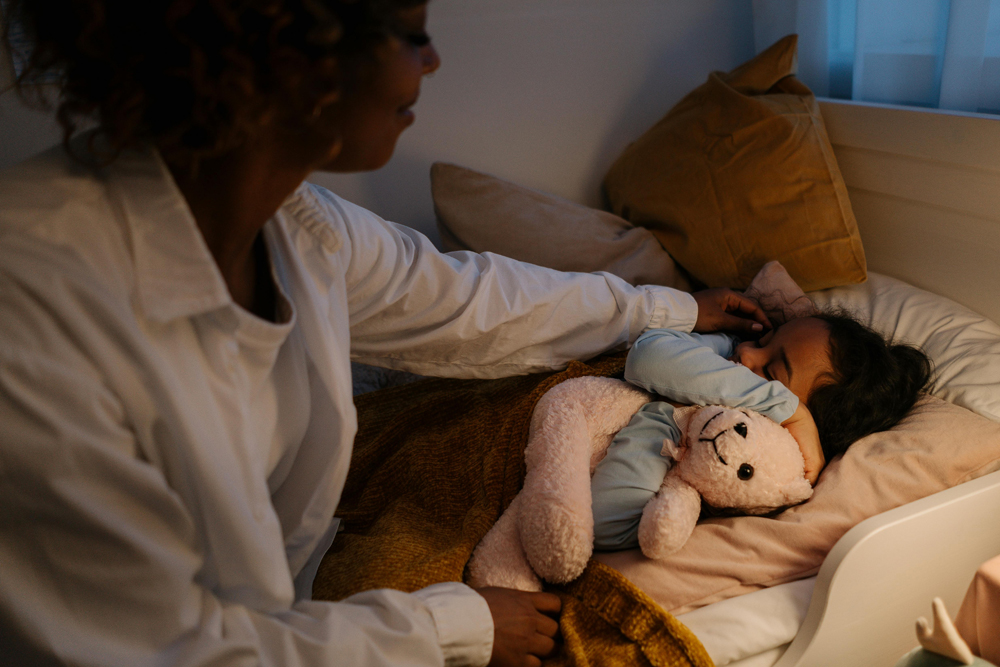
Use markers from their day, not a clock. And for something like a business trip, think in “sleeps.” Instead of saying, “I’ll be home in three days,” say, “I’ll be home after three sleeps.” It helps them picture it in a way that feels safe and familiar.
Gently practice time away from each other
Let your child get used to being away from you in small, safe ways. Send them to Grandma’s for a bit, set up play dates, or let a trusted friend or family member watch them, even if it’s just for an hour on the weekend.

If they are starting preschool soon, try practicing the routine ahead of time. Go visit the school together and walk through your goodbye ritual before the real thing. It gives them a chance to prepare, get used to the idea, and build confidence in being okay without you for a little while.
Do what you said you’d do
When you keep your promise to come back, your child starts to build both trust and independence. They learn, “Dad said he’ll be back, and he did.” That simple consistency builds confidence.
One of the biggest mistakes you can make is going back to visit shortly after a tough drop-off. Even if you miss them (and of course you do), popping back in, especially within that first hour, can actually make things harder. It might feel comforting at the moment, but it can reset the separation anxiety and make it even tougher the next time.
Brighten Up “Tomorrow After School”
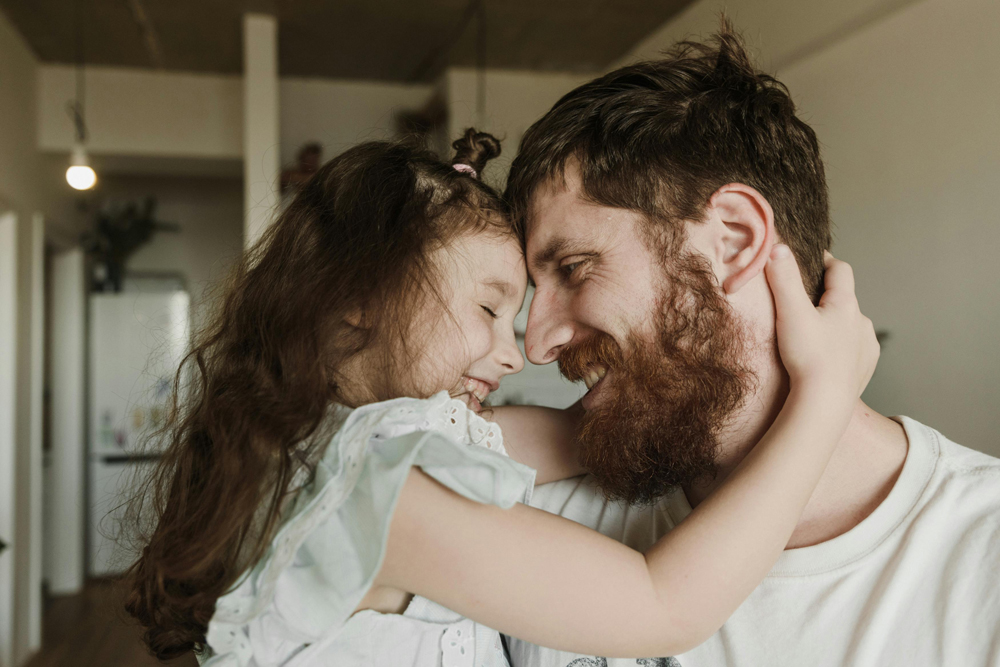
It’s totally normal for young kids to feel anxious when it’s time to say goodbye. Every child handles separation differently—some might feel it more strongly or at different times than others. The important thing to remember is that a little nervousness about leaving mom or dad is part of growing up.
The good news? With patience, empathy, and a few helpful strategies, those worries can ease up and often fade away just in time for the next school drop-off.



 Over My Dad Body
Leave a comment