
Cuddling with your newborn is one of the sweetest parts of the postpartum journey. But let’s be real—recovery isn’t always fun and easy. The right postpartum essentials can make a big difference in helping your partner feel more comfortable and supported as she heals.
To make things a little smoother, I’ve compiled a go-to checklist of must-haves for both mom and baby. Let’s get you started!
Understanding the Postpartum Period
The postpartum period (sometimes called the “fourth trimester”) starts right after your wife gives birth and lasts for about 12 weeks. It’s a time of significant changes for her, your baby, and your whole family.
While your little one is adjusting to life outside the womb, your wife will be going through her own physical, emotional, and hormonal changes as she steps into motherhood.

It’s normal for her to feel overwhelmed, exhausted, or unsure how to care for your baby during this time. Many new moms experience what’s known as the “baby blues,” mood swings or sadness that usually pass within a couple of weeks.
But if her symptoms last longer or feel more intense, it could be postpartum depression. If that happens, it’s important to reach out for help. Support from friends and family can make a big difference, letting her know that she doesn’t have to go through it alone.
Postpartum Must-Haves for New Moms
Whether it’s your first child or your third, the postpartum period can be challenging for any parent.
Your wife’s body is recovering from birth, and she may be dealing with pain and discomfort, all while adjusting to life with a newborn. Taking time to plan and have some postpartum essentials ready for her can help make the transition smoother and show her she’s supported every step of the way.
Healing and Hygiene
Hygiene and pain relief products are essential for anyone recovering from childbirth.
It’s entirely normal for your wife to experience some level of pain during the postpartum period, and that can vary depending on how she gave birth. For example, women who’ve had planned C-sections typically don’t deal with vaginal pain the way those who’ve had a vaginal birth might.
No matter how your wife delivered your baby, postpartum bleeding is expected. This bleeding, which can last anywhere from four to six weeks, is part of the body’s natural healing process. It happens as the area where the placenta was attached to the uterus begins to heal.
Ease discomfort with ice packs and heating pads
One simple way to manage postpartum pain is using ice packs and heating pads. If your wife is dealing with swelling or soreness around the vaginal area or a C-section incision, ice packs can help reduce inflammation and bring relief. A heating pad can be a real lifesaver for cramping or general discomfort in the abdominal area.
These can also come in handy when it comes to breastfeeding. A warm compress or heating pad applied to her breasts for about 10 minutes before nursing can help encourage milk flow. After feeding, an ice pack can help soothe any swelling or tenderness that may follow.
A warm soak to help her heal
A sitz bath is another great item to consider adding to your wife’s postpartum care kit. It’s especially helpful for easing discomfort in the perineal area and can support healing after childbirth. Depending on the type of kit you have, you can use a sitz bath over the toilet or in the bathtub.

To use it, simply fill the basin with warm water, place it on the toilet or in the tub, and soak the perineal area for about 15–20 minutes. If you don’t have a sitz bath kit, no problem—you can get similar relief by soaking in a warm bathtub for the same amount of time. Just be sure to skip the Epsom salts unless your healthcare provider says otherwise.
Relief with every rinse
If your wife had a vaginal birth, she may be feeling especially sore and tender in that area, which can make using the bathroom pretty uncomfortable. Instead of wiping with toilet paper (which can cause irritation), a peri bottle offers a gentler way to clean by rinsing with warm water.
Comfort spray
After giving birth, your wife might experience discomfort from hemorrhoids or stitches in the perineal area. If taking a sitz bath isn’t practical or convenient, a perineal spray can be a simple and effective way to help soothe the pain and provide some much-needed relief.
Not just the average underwear
Supportive underwear is a must-have for postpartum recovery, whether your wife had a vaginal birth or a c-section. It provides gentle compression and support to her abdominal area, helping ease discomfort and offering added comfort as her body heals.
It can also support her pelvic floor muscles, which often need time to recover after pregnancy and childbirth. She can wear them throughout the day in those early weeks or just when she’s up and moving around and could use a little extra support.
Quick, natural relief
Witch hazel is amazing for reducing inflammation, easing itching, and helping the body heal, which makes it a great addition to your wife’s postpartum care kit. A witch hazel spray can offer soothing relief from hemorrhoids and can be gently sprayed on the perineal area to help with discomfort, swelling, or irritation. Witch hazel pads are another great option if a spray doesn’t feel like the right fit.

Heavy-duty menstrual pads for post-birth bleeding
Menstrual pads are a must-have for managing your wife’s postpartum bleeding. They are designed to handle varying flow levels and offer a bit of cushioning to help reduce irritation, especially in the sensitive perineal area.
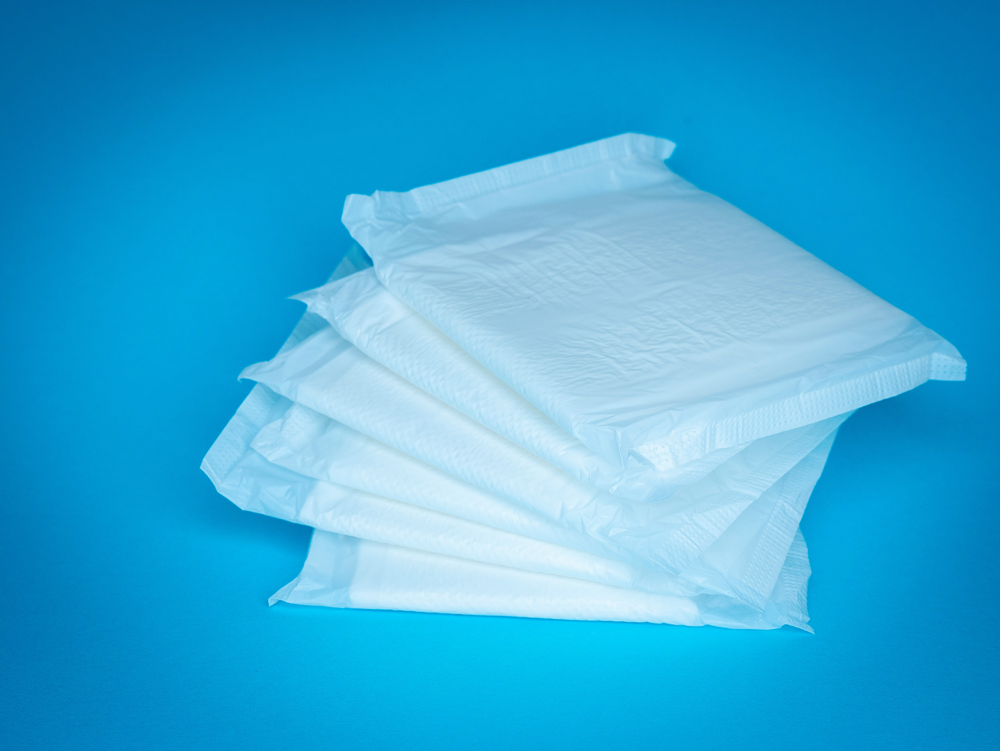
During this time, it’s best to avoid tampons or menstrual cups since they can raise the risk of infection or other complications while her body is still healing.
Comfortable, leak-proof protection
No postpartum recovery kit is complete without disposable underwear or adult diapers—and the good news is, they are easy to find at most groceries and drugstores. They’re super helpful for managing the heavy bleeding and occasional leaks after birth.
Plus, they offer a secure, comfortable fit, helping your wife feel more confident and protected as she recovers.
Comforting soak for sore muscles
Epsom salt is an excellent addition to your wife’s postpartum care routine. It can help relax sore muscles, ease pain and inflammation, and even promote a sense of calm and relaxation—something every new mom could use.

It’s generally safe to use a few times a week, but if you’re unsure about how often or whether it’s the right fit for her recovery, it’s always a good idea to check in with a healthcare provider.
Daily vitamins for mom and baby
Prenatal vitamins are usually taken during pregnancy to support both mom and baby. However, they are just as important after birth, too. Continuing to take prenatal vitamins postpartum can help your wife replenish nutrients that were depleted during pregnancy.
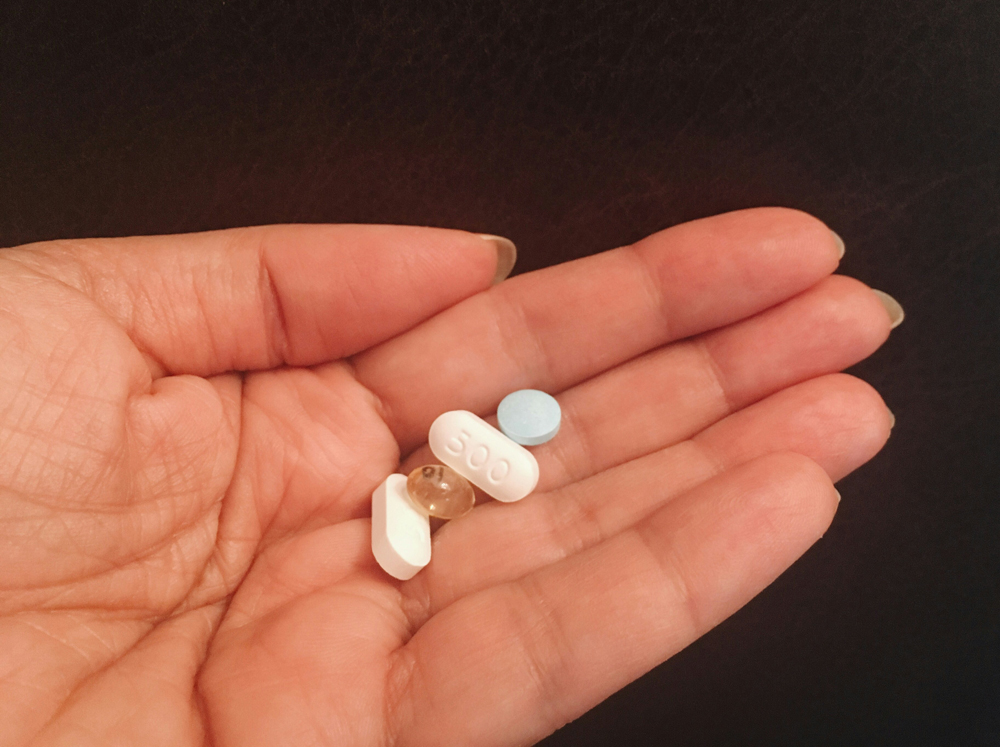
They can also support breastfeeding by providing the extra nutrients her body needs to produce milk and stay energized during recovery.
Extra pillows for extra comfort
Pillows aren’t just about comfort. They can actually be super helpful during postpartum recovery. Pregnancy pillows, for example, are still great to use after birth, offering support as your wife’s body continues to heal.
Nursing pillows are another must-have. They make breastfeeding more comfortable by helping position the baby for a better latch, making the whole experience smoother for both mom and baby.
Upgrade your toilet with a bidet
If you’ve been considering a bidet toilet attachment, the postpartum period is a great time to make the switch. After childbirth, staying clean can be tough, especially with discomfort, swelling, and limited mobility. A bidet offers gentle cleansing without needing a lot of wiping, helping you avoid further irritation in such a sensitive area.
Everything You Need for Breastfeeding
Breastfeeding can be incredibly rewarding, but it also comes with its challenges.
If you and your partner are planning to breastfeed, connecting with a lactation consultant after birth can make a big difference in getting started with confidence. Along with that support, having a few key breastfeeding essentials ready before your baby arrives is a good idea.
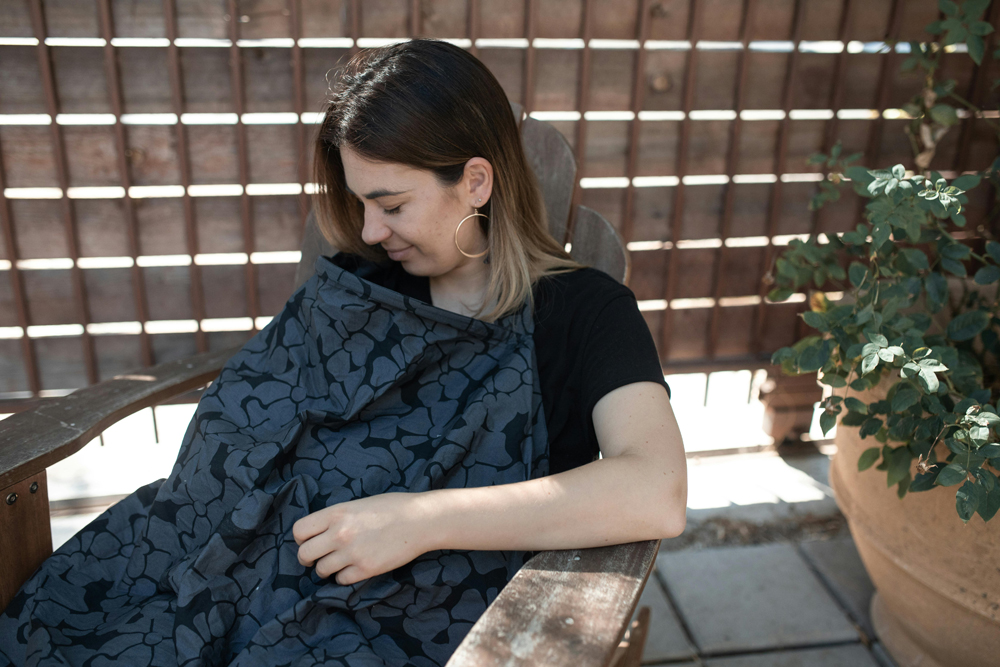
Nursing covers and top
Your wife won’t always be able to plan exactly when she’ll need to breastfeed, which is why nursing covers and tops can be so helpful when feeding in public. They are designed to offer privacy, comfort, and convenience, making the experience a little easier for both mom and baby.
Comfortable pillow for feeding time
Nursing pillows can be a big help when feeding your baby. They make it easier to position your little one comfortably, which can help them latch better during breastfeeding. Even if your wife isn’t breastfeeding, nursing pillows are still great for bottle-feeding or giving your baby some support during tummy time.

That said, it’s important to remember that nursing pillows aren’t safe for sleep. Babies should never be left unattended with one, even briefly.
When choosing a nursing pillow, consider factors like size, firmness, cost, the type of material, and how easy it is to clean. While it might be tough to find one that checks every box, try picking a pillow that fits most of your wife’s needs.
Nursing pad’s comfort and support
It’s completely normal for your wife to experience some breast milk leakage after giving birth, especially if she’s breastfeeding. That’s where nursing pads come in handy. They’re small, absorbent pads that fit inside her bra to soak up any leaks. Your wife can use them as often as she needs, and they are easy to find at most pharmacies, drugstores, or online.
Relief for sore nipples
Breastfeeding can sometimes leave nipples feeling dry, sore, or even cracked. A lanolin nipple cream can really help; just apply it after feeding or whenever it’s needed to soothe discomfort, keep the skin moisturized, and support healing.
The best part? It’s completely safe for babies, so there’s no need to wash it off before the next feeding.
Make breastfeeding easier
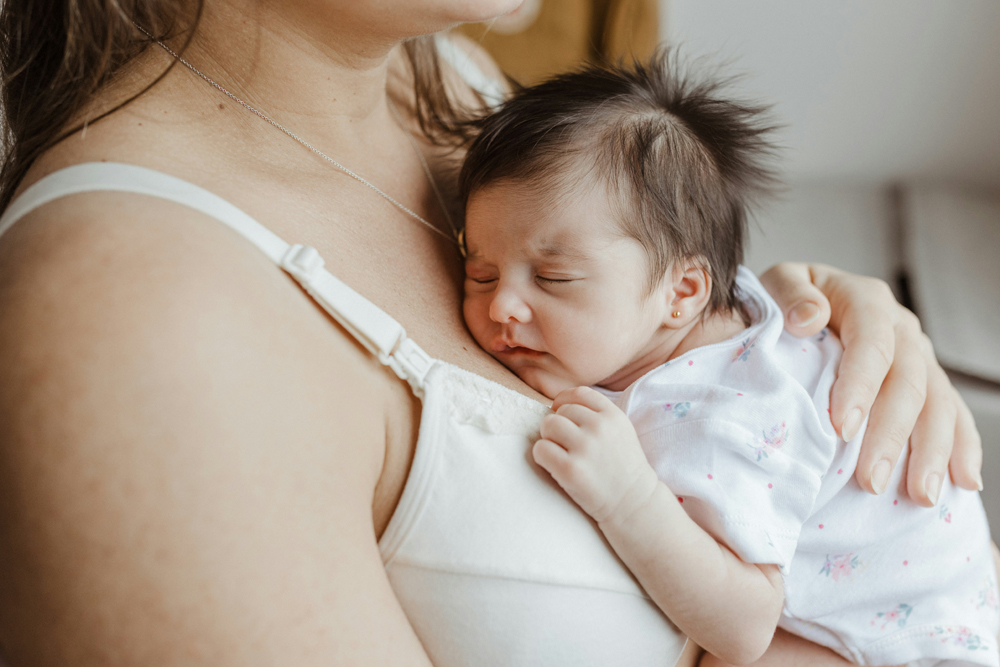
Nursing bras are specially designed to make breastfeeding easier and more comfortable. They have cups that unclasp easily so your wife can feed the baby without taking the whole bra off. Plus, they are made to adjust to the changes in breast size and shape that happen during pregnancy and breastfeeding, offering both support and flexibility.
Flexible feeding
Breast pumps can be a lifesaver for breastfeeding moms. They offer the flexibility to pump and store milk for later feedings, which can be incredibly helpful for managing busy schedules. Regular pumping also helps relieve discomfort and can prevent issues like breast engorgement.
For parents with a baby in the NICU, breast pumps make it possible to provide all the benefits of breast milk, even when traditional breastfeeding is not an option. And for moms who can’t breastfeed, pumps allow others to donate milk, offering much-needed support to families who need it most.
When it comes to choosing the right pump, there’s a lot to think about. Comfort, portability, cost, and ease of use are all essential factors to remember as you find the one that works best for your situation.
Emotional Changes After Childbirth
After giving birth, it’s completely normal for your wife to experience some emotional ups and downs. Her hormones are shifting quickly, she’s likely feeling overwhelmed, and the lack of sleep from caring for a newborn doesn’t help either.
Many new moms go through a short period of feeling sad, anxious, or just not quite themselves — often called the “baby blues.” This can include mood swings, crying for no clear reason, feeling anxious, or having trouble sleeping. These feelings usually fade within a couple of weeks.
During this time, encourage her to care for herself physically and emotionally. Let her know you’re there to listen and support her. Don’t hesitate to reach out to friends, family, or others for help.
However, if her mood swings become more intense, if she seems uninterested in eating, extremely tired, or finds it hard to enjoy life, she might be experiencing postpartum depression. This is more serious and needs medical attention.

You should reach out for help if:
- Her symptoms don’t go away after a couple of weeks
- She’s struggling to care for your baby
- She finds it hard to manage everyday tasks
- She talks about hurting herself or the baby
If any of this happens, contact a healthcare professional right away. You’re not alone, and there is help available.
How Friends and Family Can Help
Postpartum can be a tough and lonely time, but having support from friends and family can make a big difference. Just knowing that you are not alone and that others have been through something similar can be incredibly comforting. They might even have helpful advice or simply be there to listen.
If you and your partner are feeling hesitant or guilty about asking for help, try to remind yourself that it’s completely normal (and okay) to reach out. Whether it’s family, friends, or a local support group, there’s no “wrong” way to build your support system.

One practical and thoughtful way loved ones can help is by organizing a meal train. This is when friends and family sign up to bring you home-cooked meals on different days after the baby arrives. It’s a simple but meaningful way to ease your load and ensure your wife is cared for, too.
Making Space for Your Wife to Recharge
It’s important to give your wife time to rest, recover, and take care of herself after childbirth.
That might mean stepping in to care for the baby so she can enjoy a long shower, read a few pages of a book, take a nap, paint her nails, or just do something that helps her feel like herself again as she adjusts to this new chapter.

One growing trend among new parents is choosing to hold off on having visitors right after the baby is born. For some, that means no guests for the first couple of weeks; for others, it might be a few months. It all depends on what feels right for your family.
Even if you do welcome visitors early on, it’s perfectly okay to set boundaries and block off certain days or times for rest and self-care. Limiting visitors at the beginning can also help protect your newborn as their immune system strengthens.
Life After Birth
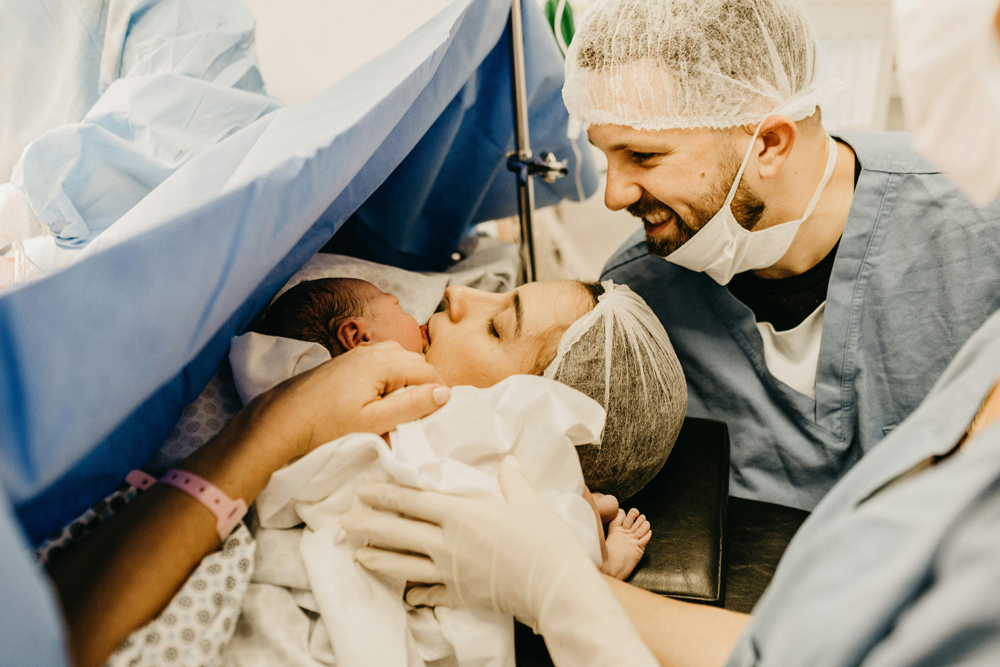
The postpartum period is a time for your wife’s body to heal and for your baby to grow and adjust to the world. Recovery might not always be smooth or easy, but having the right essentials on hand can make a big difference in how supported and comfortable she feels.
Getting ready for a new baby is a huge task. Whether you’re first-time parents or already have kids, the weeks leading up to delivery are often packed with to-dos. It’s easy to get so focused on the baby’s needs that you forget to plan for what you might need to recover and adjust as parents.
Try to sleep when you can, keep water nearby, and allow yourself to slow down. Yes, there’s a tiny human to care for now—but you need care, too.
One of the best things you can do is to prepare for postpartum (both practically and emotionally) just like you would for labor and delivery.
And above all, be gentle with yourselves. Healing and adjusting take time. Raising a baby truly does take a village—and your village can include whoever brings you comfort, support, and strength.




 Over My Dad Body
Leave a comment