
A lot of women begin their breastfeeding journey hoping to stick with it for a while. But things like pain, infection, or injury can make that journey a lot harder and sometimes even lead to weaning earlier than planned.
The truth is that breastfeeding doesn’t always go smoothly.
There are plenty of challenges that can come up along the way. As a husband or partner, it helps to know what some of those challenges are and what we can do to support our wives through them.
In this post, we’re diving into one of the most common issues breastfeeding moms face. We’ll break down what causes it, how to spot the symptoms, and most importantly, how we can step in and help.
What is Mastitis?
Mastitis is a breast infection that’s relatively common in breastfeeding moms, especially within the first couple of months after the baby is born. It usually shows up as a sore, swollen area on the breast that might look red or feel hot to the touch.
On top of that, it can cause flu-like symptoms like fever, chills, body aches, and just feeling really worn out.

It is exhausting on its own, but when you are also trying to care for a newborn, mastitis can feel overwhelming. Many moms even think about quitting breastfeeding at this point.
But here’s the good news: continuing to nurse can actually help clear up the infection. And it’s entirely safe for the baby.
Yes, mastitis is painful and frustrating. But it usually clears up quickly with the proper care (sometimes just rest and medicine). The key is recognizing it early and getting support.
Understanding What Causes Mastitis
Things like a poor latch, breast engorgement, clogged milk ducts, or even sore, cracked nipples can all increase the risk of mastitis.
Why? Because they can keep the breasts from fully emptying during feeding or pumping. When milk sits in the breast too long, it can become a breeding ground for bacteria, which leads to infection.
That infection causes swelling and inflammation in the milk ducts, and if it’s not treated, the pressure can build up and spread the infection even further. Sometimes, mastitis can also happen when bacteria enter the breast through cracked or damaged nipples. It is one of those things that can spiral quickly, so catching it early really matters.
How Do You Know It’s Mastitis?
If your wife has mastitis, the first thing she might notice is a sore spot on one breast. It could feel warm, tender, and look red. She might also start feeling achy or chilled—like she’s coming down with the flu. A fever is another common early sign.
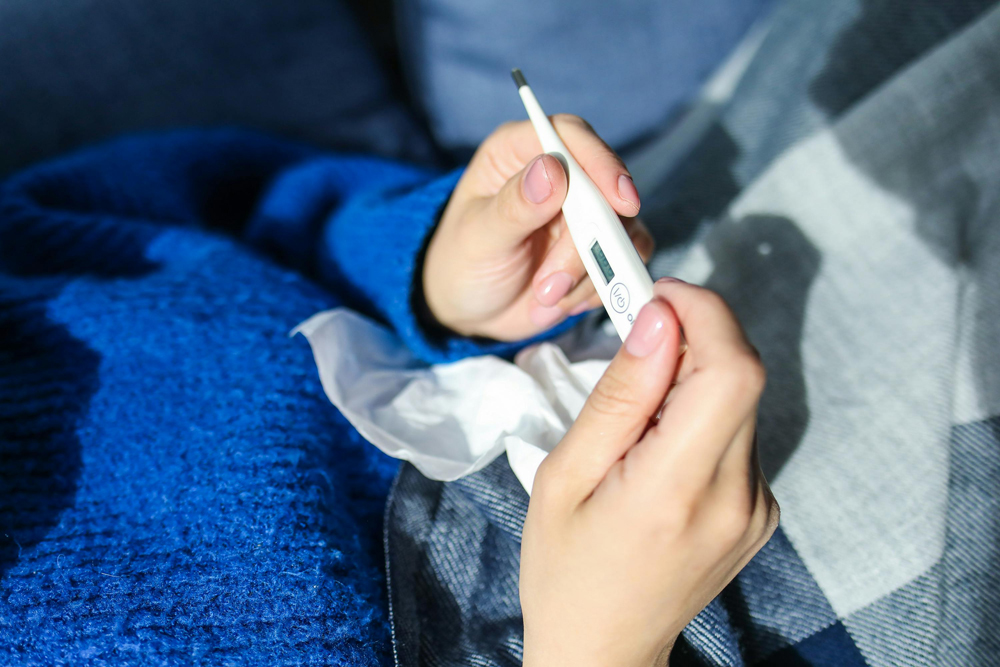
These symptoms can sometimes show up after a blocked milk duct reopens, releasing built-up milk that’s gotten infected.
If things start getting worse, you might notice swollen, tender lymph nodes in your wife’s armpit on the side of the affected breast. Her heart rate may increase, and those flu-like symptoms can ramp up. In some cases, mastitis can turn into a breast abscess, which feels like a hard, painful lump under the skin.
Mastitis is common among new moms, so most OB-GYNs can spot the symptoms without needing a physical exam. That said, sometimes an in-person visit is still needed to be sure. If mastitis isn’t treated, it can lead to more serious issues, like a drop in milk supply or even a painful abscess and other complications.
Managing Mastitis: What Your Wife Can (and Can’t) Do When Mastitis Hits
Do’s
- If your wife is breastfeeding, she needs to keep nursing your baby whenever they want to feed—and for as long as they want. She can also offer a feed if her breasts feel uncomfortably full, even if it’s not their usual feeding time. That can help relieve pressure and keep milk flowing.
- Make sure your baby is latched on and positioned well during feeds.
- To help with milk flow, use a warm cloth on your wife’s breast or have her take a warm shower or bath. Just be careful not to use too much heat, as that can sometimes make the inflammation worse. On the flip side, if she’s dealing with breast pain, a cold compress (like a cool, damp cloth) can bring some relief.
- Also, make sure your wife gets plenty of rest and stay well-hydrated. If she’s feeling sore or running a fever, taking paracetamol or ibuprofen is safe to help with the pain and bring her temperature down.

Do not’s
- Ask your wife to avoid wearing tight clothes or bras until she’s feeling better.
- Don’t give her aspirin.
- Try not to express more milk than your baby needs.
- Be gentle with your wife’s breasts—avoid applying firm pressure.
- Don’t stop breastfeeding abruptly. If you are thinking about stopping, learn the best way to do it gradually.
- Skip oils, soaks, or creams on your wife’s breasts unless advised by a healthcare professional.
Simple Ways to Treat Mastitis at Home
You can try a few things at home that might help before it becomes a more serious infection. But if your wife is not feeling better within 24 to 48 hours, you should check in with her doctor.
Take time to rest.
When your wife has mastitis, some good old TLC is really important. It might feel impossible to slow down with a newborn in the house, but do what you can to help her rest—whether that means keeping her in bed or just easing up on the daily routine.

If you can, take a few days off work or ask a trusted friend or family member to lend a hand. That way, you can focus on supporting your wife while she recovers.
And don’t feel guilty—breastfeeding can be really hard. Right now, rest is one of the best things she can do to heal.
Breastfeed frequently to help recovery.
While resting, encourage her to snuggle with the baby and offer the breast as often as possible—ideally every couple of hours during the day.
It’s best to start on the side that feels most uncomfortable since babies usually suck the hardest at the beginning of a feed. That strong suction can help loosen any clogs and clear up mastitis. Just make sure she offers both sides so the other breast doesn’t become engorged.

You might be concerned that mastitis affects the quality of her milk but don’t worry. Experts agree that it’s still safe for the baby. In fact, frequent breastfeeding and keeping the milk flowing is one of the best ways to help her recover.
You can also suggest your wife to try holding the baby in a different position during feedings. If she usually uses the cradle hold, she could switch things up with a football hold or try nursing while lying on her side in bed. Changing positions can shift the angle of suction, which might help clear any plugged ducts.
Try a gentle breast massage.
If your wife is dealing with mastitis, gently massaging the affected breast can help relieve swelling and unblock clogged milk ducts. Use small circular motions, starting from the outer part of the breast and moving toward the nipple.
Use upward strokes to gently massage the area a few times a day. Apply a bit more pressure around the area that feels sore or swollen. Make sure that your wife cleans her nipples with warm water before your baby nurses.
Soothe with warm or cold packs.
Both warm and cold compresses can be really helpful when dealing with mastitis. A cold compress can ease pain and reduce swelling, while a warm compress helps improve circulation, loosen any blockages, and encourage milk flow.
Wrap a hot water bottle in a thin towel to make a warm compress. For a cold compress, just wrap a few ice cubes in a towel. Start by placing the warm compress on the affected breast for about 15 minutes. Then, switch to the cold compress for around 5 minutes.
You can repeat this cycle two or three times and use it as often as needed for relief.
Cabbage leaf therapy
Cabbage leaves can be a surprisingly soothing remedy for swollen, inflamed breasts. They contain natural compounds that may help reduce inflammation and ease swelling. Many nursing moms also find them helpful for relieving engorgement and clogged ducts.
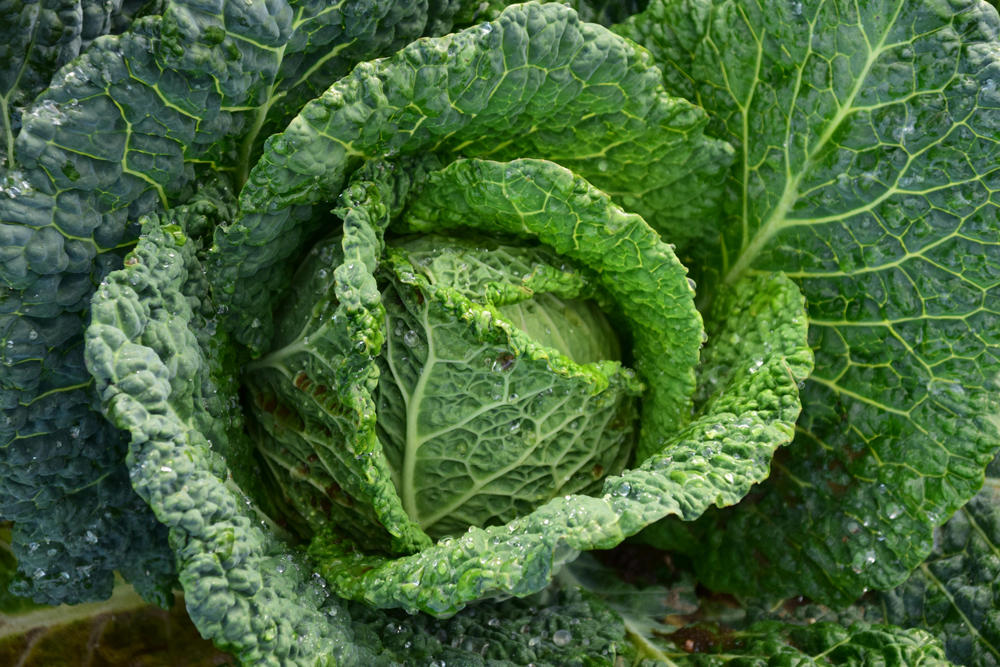
To try this, chill a few cabbage leaves in the refrigerator for about 30 minutes. Once they are nice and cool, place one directly on the affected breast. Swap it out for a fresh, cold leaf when it starts to warm up to room temperature. You can repeat this a few times a day until your wife starts feeling better.
Try garlic for relief.
Garlic is another helpful natural remedy for mastitis, thanks to its powerful antibiotic properties. It can help fight the bacteria causing the infection, and it also gives your wife’s immune system a boost to support faster healing.
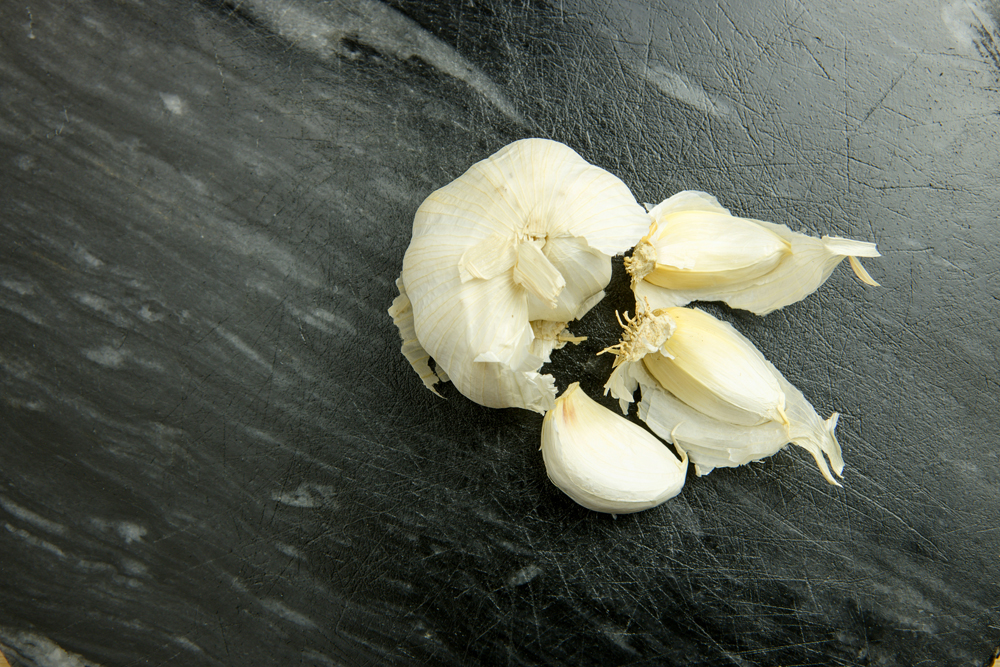
Make her eat two raw cloves of garlic on an empty stomach each morning. She can have a few more throughout the day if she’d like. If the taste is too strong, she can take it with a glass of orange juice or plain water to make it easier to swallow.
Remind her to stick with this routine daily for about a week.
If raw garlic isn’t her thing, you could consider garlic supplements—just be sure to check with your wife’s doctor first.
Manage symptoms with apple cider vinegar.
Apple cider vinegar is another great home remedy for mastitis. It has natural antibacterial and anti-inflammatory properties that can help reduce swelling, fight off infection, and even stop it from spreading.
Plus, it may boost your wife’s energy levels while her body recovers.
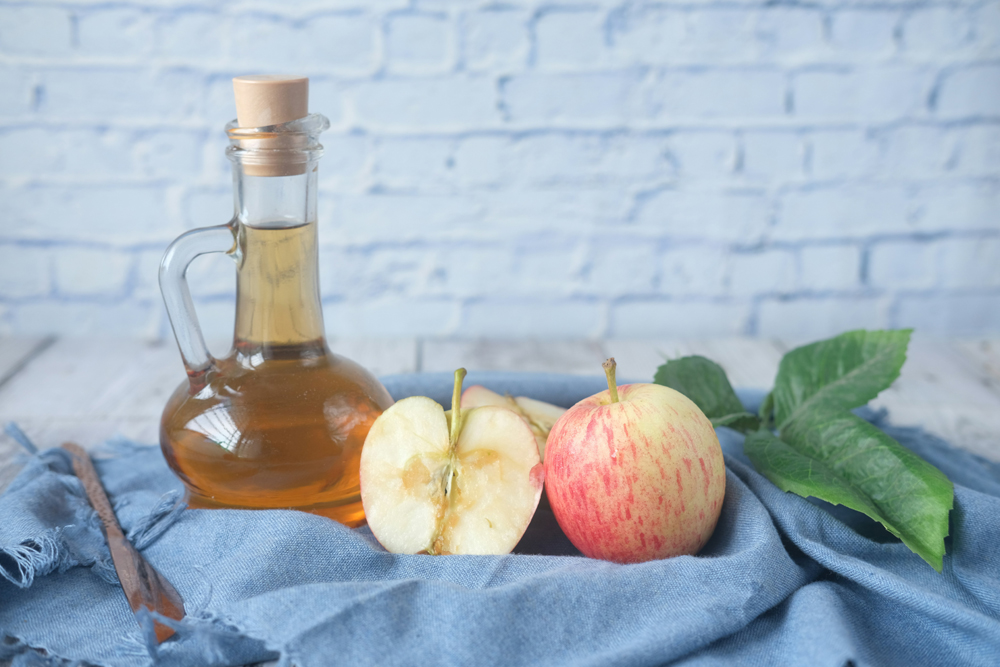
To use it topically, mix 1 part apple cider vinegar with 2 parts warm water. Soak a cotton ball in the solution and gently dab it on the affected area. Let it sit for about 15 minutes, then rinse with warm water.
You can do this twice or thrice a day until things clear up.
For extra support from the inside out, try mixing 1 tablespoon of raw, unfiltered apple cider vinegar with a bit of honey in a glass of water. Drink this three times a day for one to two weeks.
Hydrate, hydrate, hydrate!
When in doubt, drink more water. Breastfeeding increases your body’s need for fluids, and getting dehydrated is easy without even realizing it.

Staying well-hydrated can help keep your milk supply strong, which means more feeding sessions and more chances to clear out any clogs or discomfort.
Experts suggest aiming for about 16 cups of fluids a day while nursing. And it doesn’t just have to be water! You can mix it up with milk, juice, herbal teas, and even coffee or soda—in moderation, of course.
Seek Early Care and Support
At the first signs of mastitis, there are several things you can try to help make your wife feel better. Take a look through the tips above—hopefully, something will bring her relief quickly.
If nothing seems to help, call your doctor. A lactation consultant can offer guidance and help prevent things from getting worse.
While a clogged milk duct can often be cleared at home, mastitis can develop if it’s not treated properly. If breastfeeding becomes too painful (or stressful), switching to formula might bring a sense of relief.
However, many moms feel pressure from others (and themselves) to keep breastfeeding, which can make the decision even harder.

Keep in mind that every mother’s breastfeeding journey is different. So, whether you choose to breastfeed or switch to formula, what matters most is that your wife and baby are healthy and supported.
My advice? Surround yourself with people who uplift you—family, friends, and healthcare providers who respect your choices and help you feel confident.




 Over My Dad Body
Leave a comment