
There are a lot of things that can make sleep tough during pregnancy. The frequent bathroom trips, nausea, heartburn, back pain, and those frustrating leg cramps, to name a few. On top of that, as their bodies grow and adjust to support the baby, many pregnant women find it hard to get truly comfortable at night.
It’s no surprise that getting enough restful sleep can feel like a real challenge.
This post will examine the best sleeping positions during pregnancy and why some positions are better avoided. I will also share some simple tips to help our wives get more comfortable so they can finally get the rest they need (and deserve!)
Why is it so hard to sleep during pregnancy?
Pregnancy comes with many changes, and for your wife, that includes shifts in hormone levels and a body working hard to support a growing baby. These changes can bring on a range of discomforts, including trouble sleeping.
In the early stages of pregnancy, rising levels of estrogen and progesterone are often the culprits behind sleepless nights. These hormones affect how regularly your wife breathes and how deeply she sleeps, which can disrupt her rest.
As the baby grows, physical discomfort becomes a bigger issue. The added weight puts pressure on your wife’s joints, back, and bladder, making it hard to get comfortable at bedtime. And just when she finally finds a good position, the urge to pee might wake her up again.
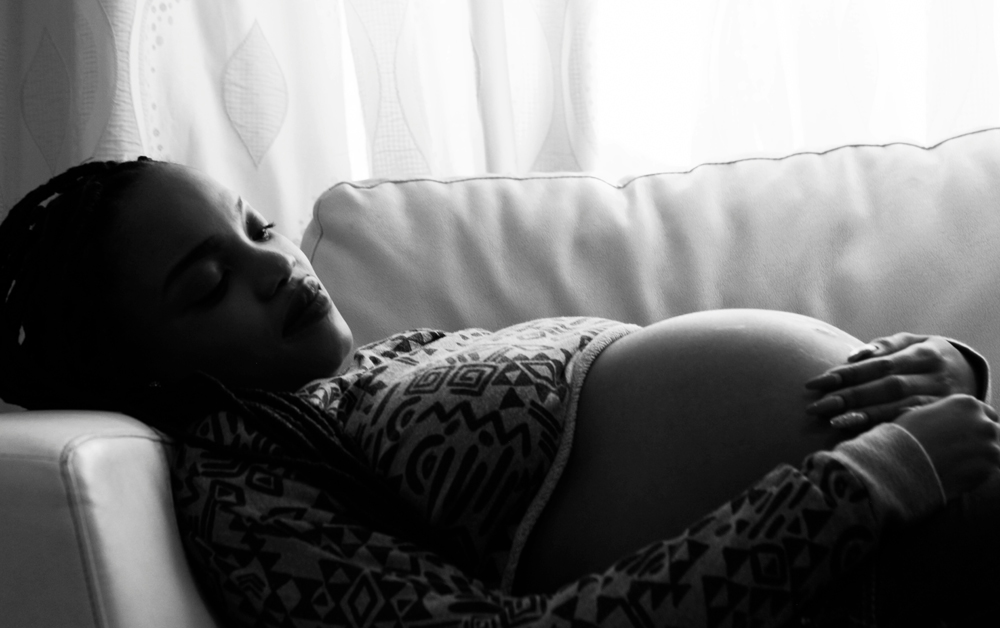
Some of the most common things that can keep your partner awake during pregnancy include:
- A growing belly and sore muscles that make it hard to find a comfortable sleeping position
- Nausea and vomiting — morning sickness is not exclusive to mornings
- Frequent trips to the bathroom during the night
- Leg cramps or strange, uncomfortable sensations in their legs
- Backaches and round ligament pain
- Contractions or your baby that just won’t stop moving
- Feeling short of breath
- A faster-than-usual heartbeat
- Annoying heartburn that flares up when she lies down
Worrying about having a baby can spike your wife’s stress levels, making falling asleep even harder. You might find yourself lying in bed, wide awake, stressing that not sleeping is bad for her health.
And just like that, the anxiety builds, your mind starts racing, and sleep feels even further out of reach.
The Impact of Poor Sleep on Pregnancy
Not getting enough sleep during pregnancy isn’t just frustrating — it could also affect your wife’s and your baby’s health. Recent research shows that poor sleep might raise the risk of certain pregnancy complications, such as:
- High blood pressure during pregnancy (preeclampsia)
- Gestational diabetes
- Longer labor and a higher chance of needing a C-section, especially for women who get less than six hours of sleep in a day
How to Find a Sleeping Position That Actually Works
If your wife is used to sleeping on her stomach or back, asking her to switch to side sleeping can be tough. Even if she’s normally a side sleeper, pregnancy can make it hard to get truly comfortable. The good news is that a few helpful strategies can ease the discomfort and make it more likely she’ll get the rest she needs.
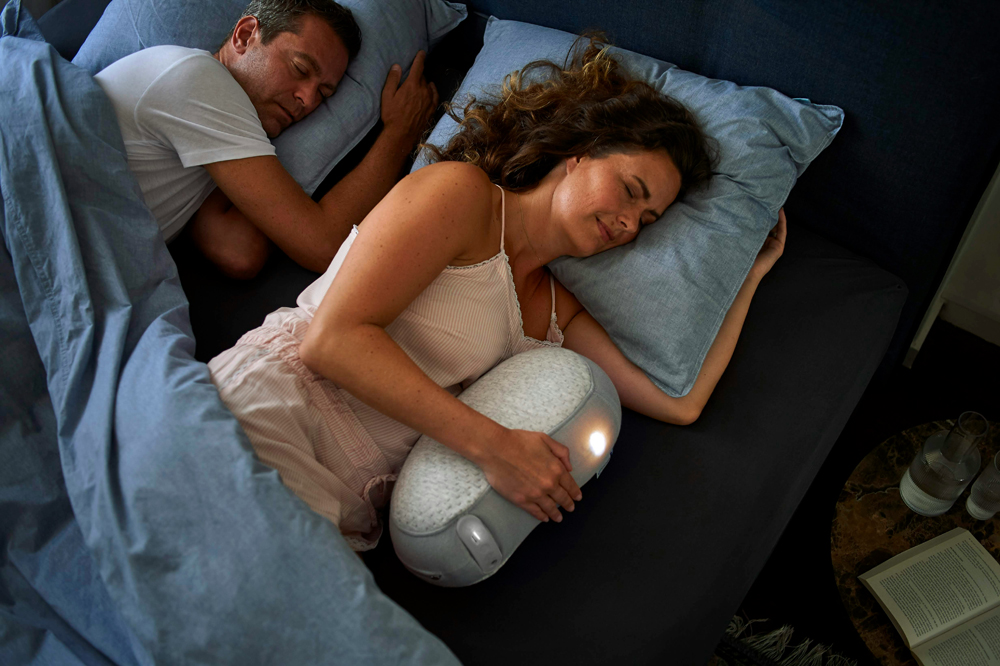
Ask your wife to slightly bend her knees. Sleeping on her side with one or both knees bent is often recommended, as it can help ease the strain on your wife’s back.
Look for a mattress or topper that offers good comfort and support. Materials that ease pressure points (like egg crate mattress toppers) can help reduce hip pain from sleeping on your side.
Elevating your wife’s upper body can help her rest more comfortably. If your wife deals with heartburn at night, try propping up the head of your bed or mattress. Sleeping with her upper body slightly elevated can help ease the discomfort.
Use pillows for better comfort. Place a pillow between her legs, under her belly, or along her lower back to keep your wife more comfortable. Full-body pillows made for pregnancy can offer even more support.
What’s the Best Sleep Position for a Healthy Pregnancy?
Sleeping on her side (especially the left) is considered the best position during pregnancy. It improves circulation to both your wife and the baby and helps more blood and nutrients reach the placenta. It also eases pressure on her veins and organs, which can help with swelling, varicose veins, and hemorrhoids.
What Sleep Positions During Pregnancy Should My Wife Avoid?
Back sleeping
Sleeping in certain positions during pregnancy—especially on the back—can lead to issues like backaches, trouble breathing, digestive problems, hemorrhoids, low blood pressure, and reduced blood flow to both your wife’s heart and the baby. That’s because as her belly grows, it can press on major blood vessels like the aorta and vena cava. Gaining weight during pregnancy can also increase the risk of sleep apnea.
Sleeping face-down
As your wife’s pregnancy progresses, her growing belly and more sensitive breasts can make sleeping on her stomach pretty uncomfortable. If she really prefers that position and finds it hard to avoid, a donut-shaped pillow (one with a hole in the middle) might help her rest more comfortably.
How to Help Your Wife Sleep Better While She’s Pregnant
Along with finding the most comfortable sleeping position, a few other things might help your wife get better rest during pregnancy.
Help her set a consistent sleep schedule.
Going to bed and waking up at the same time each day can help your wife get in sync with her body’s natural sleep rhythm, making it easier for her to fall asleep. Adding a relaxing bedtime routine, like sipping a warm drink or taking a soothing bath, can also help signal to her body that it’s time to wind down for the night.

If your wife still has trouble sleeping through the night, encourage her to take naps during the day to help her catch up on rest. It’s best if she can nap earlier in the day since late naps might make it harder for her to fall asleep.
Make sure she stays active.
Spending time outside and staying moderately active—for as long as your wife feels comfortable—can help her feel more ready to sleep at night.
Most experts recommend that pregnant women maintain a regular exercise routine throughout pregnancy. Gentle stretching and strengthening exercises can help with lower back pain and leg cramps. Focusing on the core, back, and abdominal muscles can also make it easier for your wife’s body to adjust to all the physical changes that come with pregnancy.
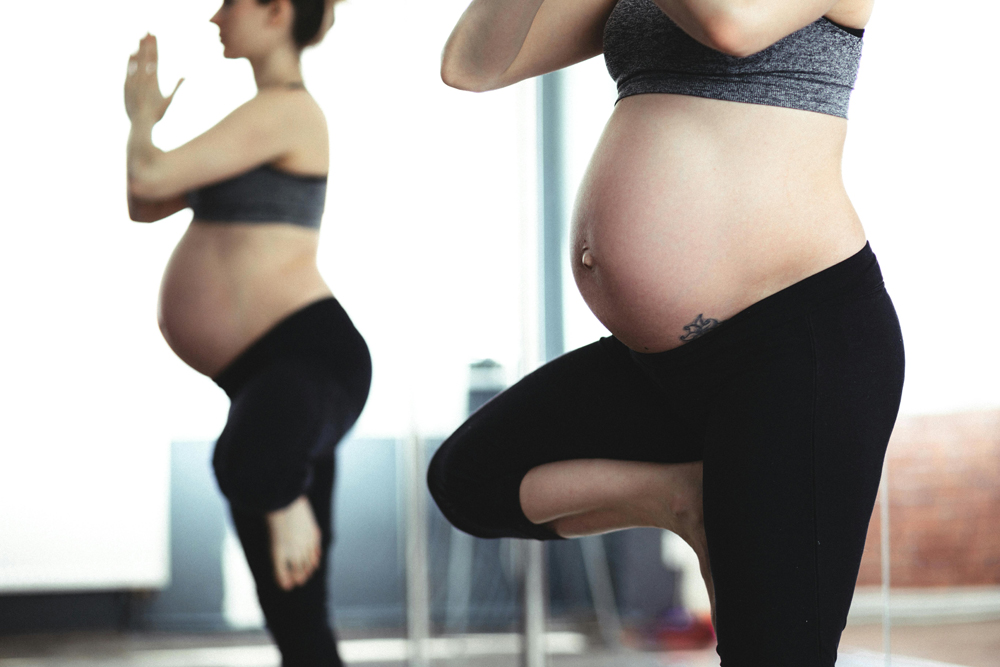
In fact, one study found that doing about 35 to 90 minutes of aerobic exercise three to four times a week during pregnancy was linked to a higher chance of having a vaginal birth and a lower risk of gestational diabetes and high blood pressure.
Stress can also make it hard for many pregnant women to get a good night’s sleep. Relaxation techniques, like deep breathing, can help your wife unwind and get her body ready for rest.
Cut back on evening snacks and drinks.
During pregnancy, your wife’s body goes through a lot of changes. Hormones and a growing uterus can slow down her digestive system, which might lead to constipation, indigestion, or heartburn—especially at night. At the same time, her kidneys are working overtime, and the baby puts more pressure on her bladder, which means she’ll probably need to use the bathroom more often.
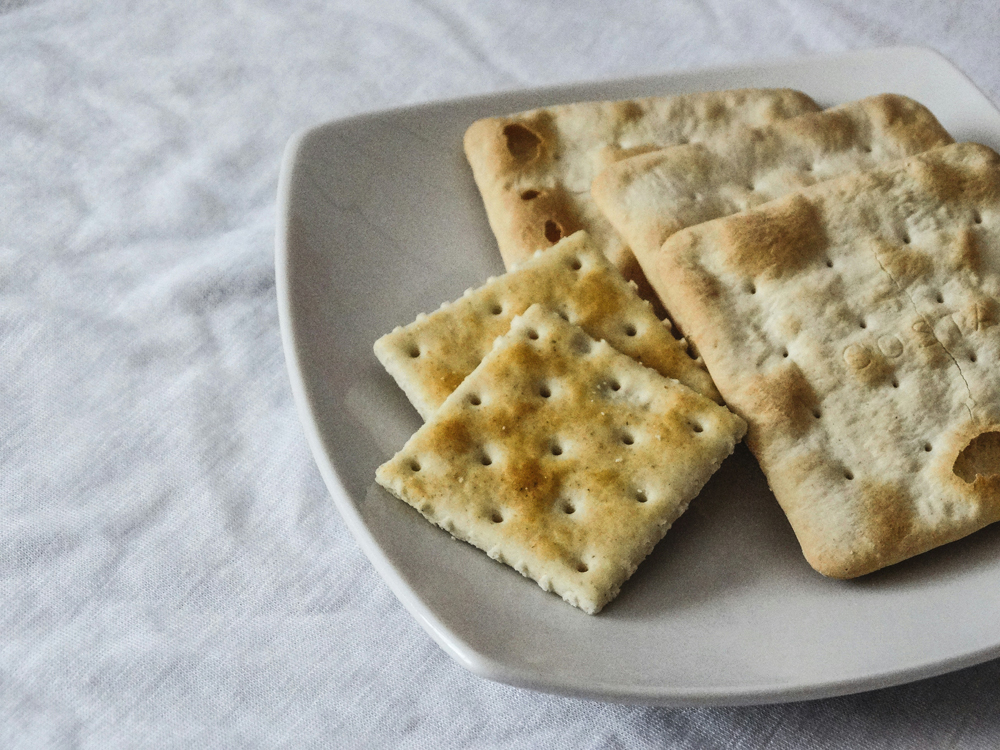
It is important for her to stay well-hydrated during the day, but drinking too much or eating a large meal in the evening can make it harder for her to get comfortable and sleep well. If she’s feeling nauseous at night, a small, plain snack like crackers might help settle her stomach without worsening her heartburn.
Support her body with prenatal vitamins.
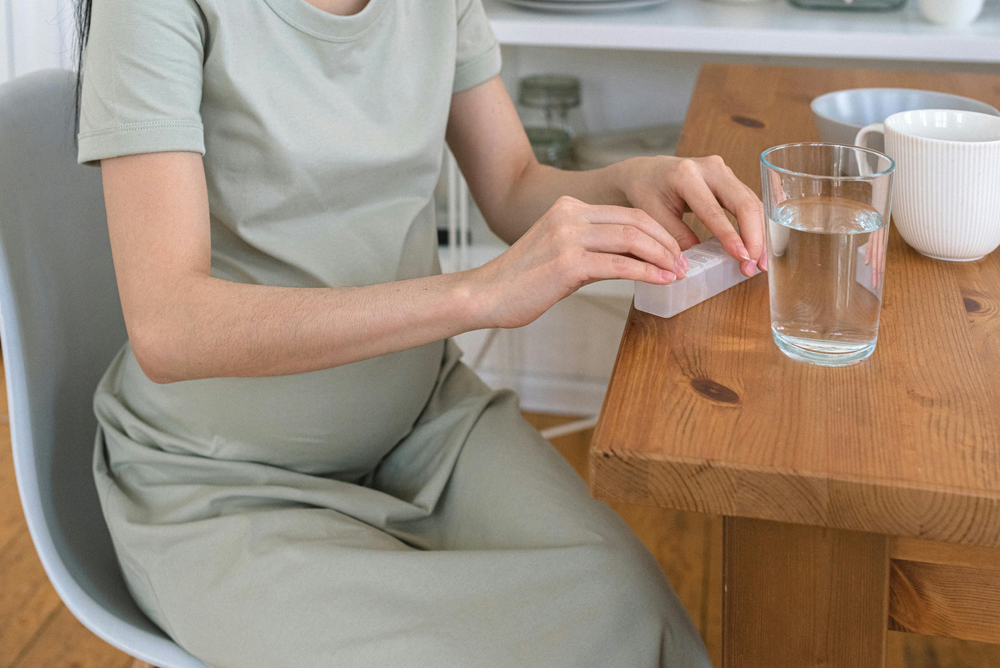
Prenatal vitamins, especially ones with iron and folic acid, not only help ensure the baby gets the nutrients they need, but they might also ease symptoms of restless legs syndrome, a common sleep issue during pregnancy. Just be sure to check with a healthcare provider before starting any new supplements.
Help her handle nausea.
Morning sickness affects nearly 70% of women—and despite the name, it doesn’t just happen in the morning. Nausea and vomiting during pregnancy (often called NVP) can strike at any time of night or day.

To help ease it, your wife might try eating small amounts of plain food, like toast or rice crackers, before bed. An empty stomach can sometimes make the nausea worse. Staying hydrated is also important. Try to steer clear of greasy or sugary foods since they are harder to digest and can make her feel even more nauseous—not to mention they can trigger heartburn, too.
Set up a soothing sleep environment.
Try to keep the bed just for intimacy (wink, wink) and sleep. This helps your wife’s brain associate it with rest, not work or other daytime stress. Dimming the lights, reducing noise, and keeping phones or other screens out of the bedroom can also make it easier for her to wind down and get a good night’s sleep.
Sleepless Nights Start Long Before the Baby Arrives
Pregnancy can really mess with your wife’s sleep routine—and not in a good way.
While pregnancy is often filled with excitement and joy, it also comes with its fair share of stress. Between her growing belly, surging hormones, and a baby who thinks nighttime is the perfect time to start squirming, getting solid sleep can feel nearly impossible some nights.
If nighttime worry is keeping her up, try working some calming habits into her evening routine. Gentle yoga, journaling, deep breathing, or even a warm bath can help her unwind. Meditation can also work wonders.
If she’s still tossing and turning with no luck, it might be better for her to get out of bed for a short reset. Doing something low-key, like reading a book or working on a puzzle, can help take her mind off the stress. After a little break, she might feel more ready to drift off once she returns to bed.

Remember that sleep is important not just for her well-being but for the baby’s as well. So hang in there, support her however you can, and here’s hoping for sweet dreams ahead.



 Over My Dad Body
Leave a comment