When I was getting ready to become a dad for the first time, I had a long list of ideals about the kind of father I wanted to be. In my early thirties, I embraced a minimalist lifestyle and was determined to carry that mindset into parenthood.
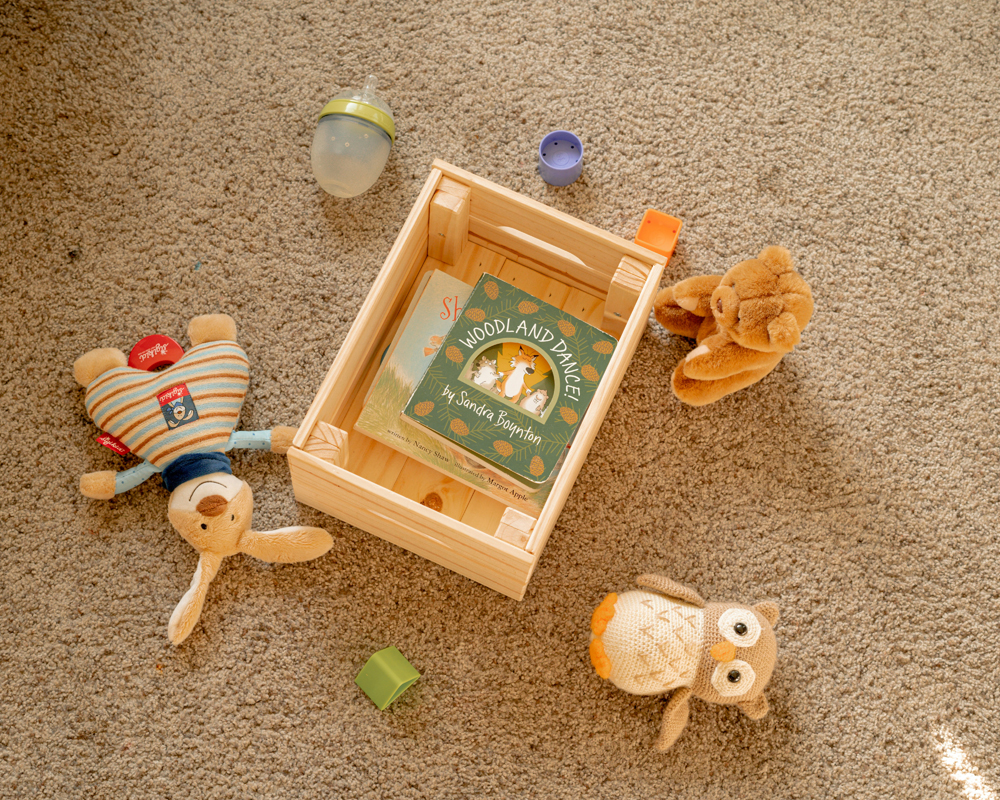
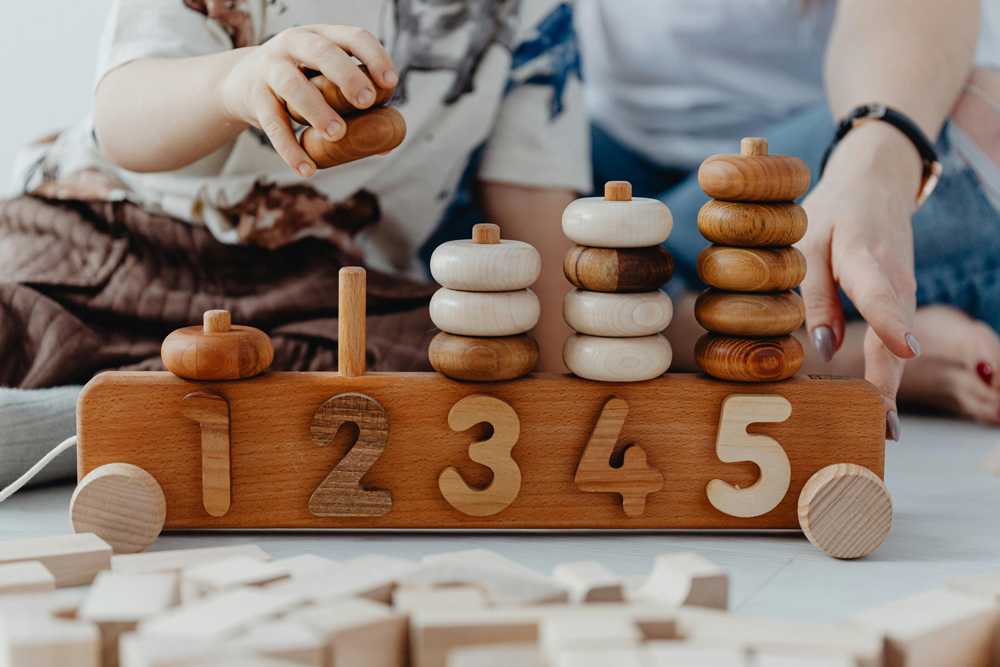
I loved the idea of simplicity—clean spaces, practical choices, and a child-centered approach to parenthood. I envisioned our home filled with calm, colorful, natural materials. I wanted my daughter to have just a few well-made toys—things that sparked imagination, were built to last, and were made from wood or other natural materials. I hoped to avoid the usual plastic, noisy, flashing, quickly forgotten stuff.
But, as the saying goes, “The road to hell is paved with good intentions.”
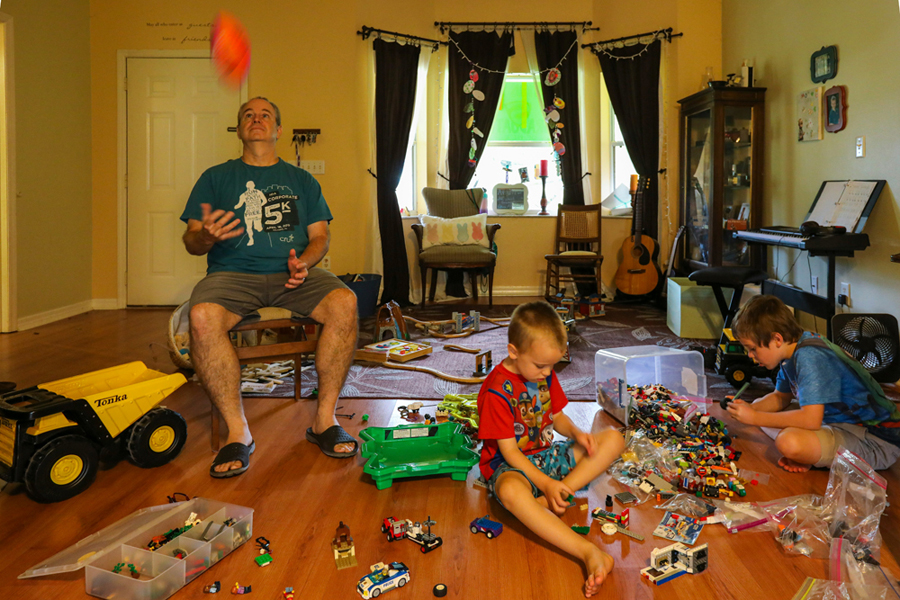
And despite my best efforts, it didn’t take long (less than three years, really) before that vision began to fall apart. My daughter’s room and play areas were soon overflowing with the exact kinds of toys I had tried to avoid.
I quickly realized that other people (hi, godparents) didn’t share my minimalist ideals when it came to gift-giving. A few birthdays and holidays later, and the simplicity I’d hoped for had completely unraveled.
Things finally came to a head a little over a year ago, when we welcomed our second child. Suddenly, we were a family of four, and I had no choice but to face the chaos that had crept in. Over the course of that year, I ended up donating or tossing out eight large garbage bags of toys. Eight.
I’ve learned this: just like adults, children can feel overwhelmed when there’s too much stuff. That’s where toy rotation comes in, helping keep things fresh without adding more clutter. With fewer options, kids are often more creative, focused, and engaged in play.
And, as parents, that’s what we’re really after, right?
Benefits of an Organized Kid’s Room
There are plenty of good reasons to keep your child’s room clutter-free and organized:
- More restful sleep. Simplifying their space can make it easier for your child to relax and fall asleep.
- Supports better focus and productivity. A tidy room can make it easier for your child to stay focused while studying.
- Creates a calmer, more relaxed space. When your child’s room is organized, both the child and parents can avoid the daily frustration of searching for lost items and dealing with clutter.
- More space to play. Every time we declutter and tidy up their space, our children’s imaginations take off! It might feel like we’re taking something away by getting rid of stuff, but we’re giving them so much more.
- Builds independence. It’s so much easier for kids to clean up when everything has its own spot.
Simple Tips for Cleaning Up Your Child’s Room
Children bring so much joy and energy into our homes. But let’s be honest, they also bring a lot of mess. Over time, it’s totally normal for every room to start filling up with gear, clothes, and of course, toys.
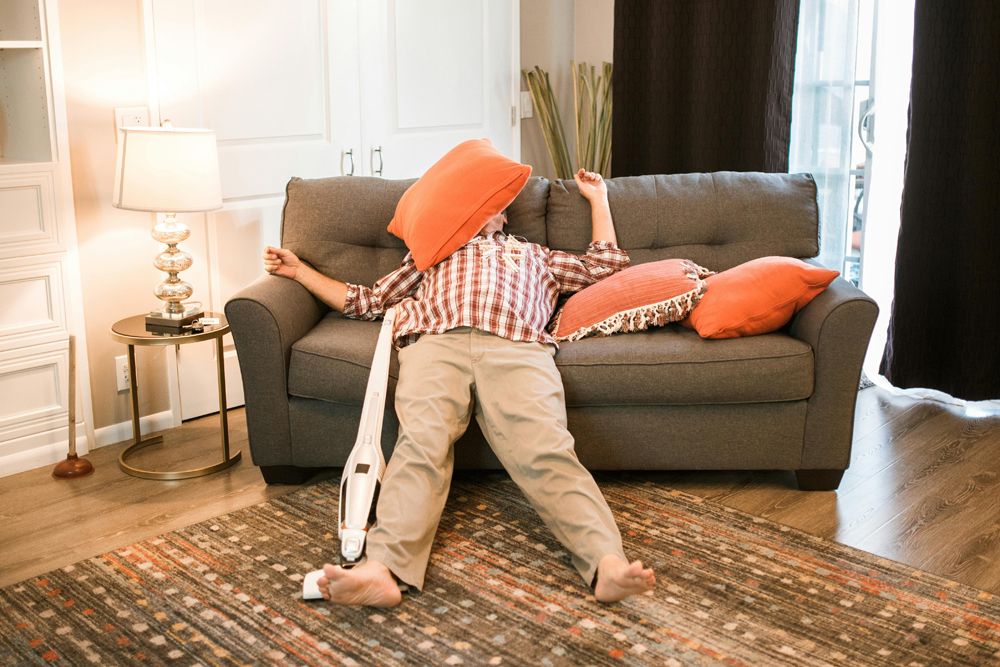
Why can it take hours (sometimes days!) to clean a playroom, but only minutes for it to look like a tornado blew through?
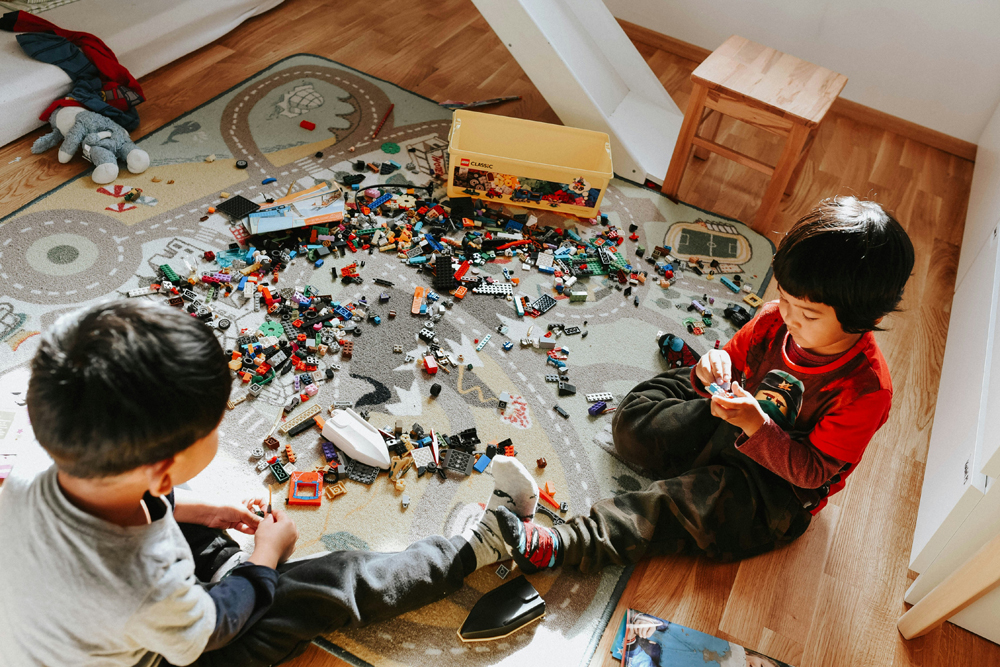
A big part of parenting is figuring out how to stay on top of all the stuff that comes with having kids—especially in their bedrooms and play areas. And when there’s too much of it, clutter isn’t just frustrating—it can become a safety hazard. We all know the pain of stepping on a LEGO, but small toys scattered around can also be dangerous for little ones who still put things in their mouths.
An overflowing playroom can feel chaotic not just for parents, but for kids too. When everything is out and nothing is in order, it’s hard for them to focus or even decide what to play with. Since play is an important part of learning and development, creating a more organized, calm space makes a difference.
So here are my simple tips to cut down on clutter and make your child’s room a space that encourages creativity and fun!
Help them pick up their toys.
You have probably seen those memes about the pain of stepping on a LEGO and hopefully, you haven’t had to live it!
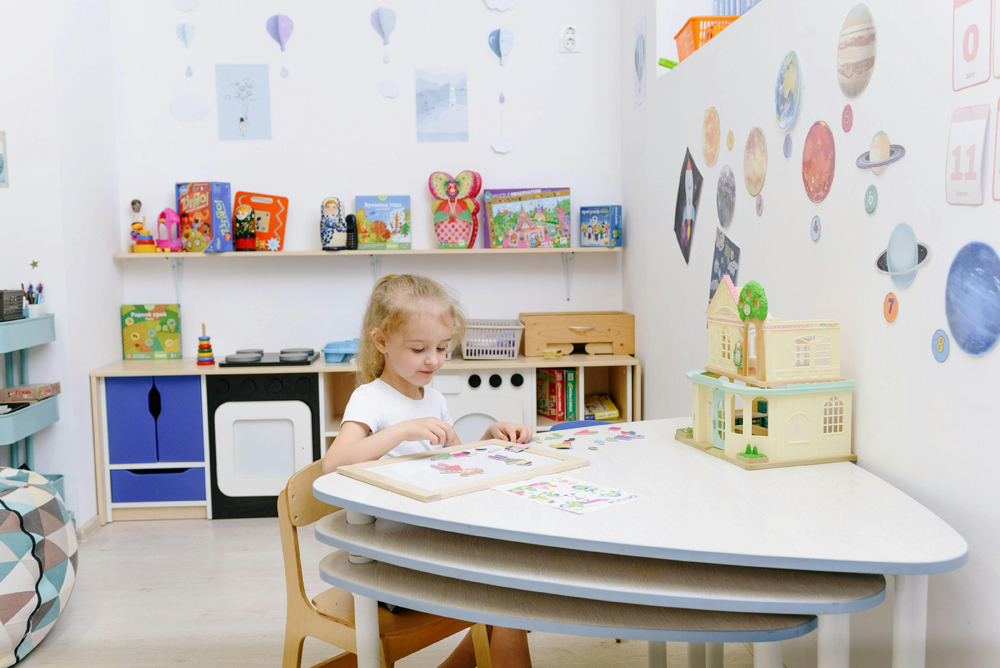
One easy way to avoid toy-related landmines is by adding kid-sized furniture to your playroom. A small table and chairs not only give your child a comfy place to sit and play, but also help keep tiny toys off the floor and on a stable surface where creativity can thrive.
Choose between cabinets and shelves.
Trying to choose between cabinets and shelves to get organized? You are not alone.
The best option really depends on your child’s age and how independent they are. Cabinets are great for keeping clutter out of sight, but often, a mix of cabinets and shelves works best. Use cabinets or high-up storage for toys that need adult supervision or aren’t used daily. Just be sure to securely anchor any furniture or shelving to the wall—safety first, right?
Tidy up with easy-to-use bins.
Whether they are open bins, clear plastic ones with lids, canvas hampers, colorful buckets, or woven baskets, bins are a fantastic way to keep toys, art supplies, and games organized in a playroom.
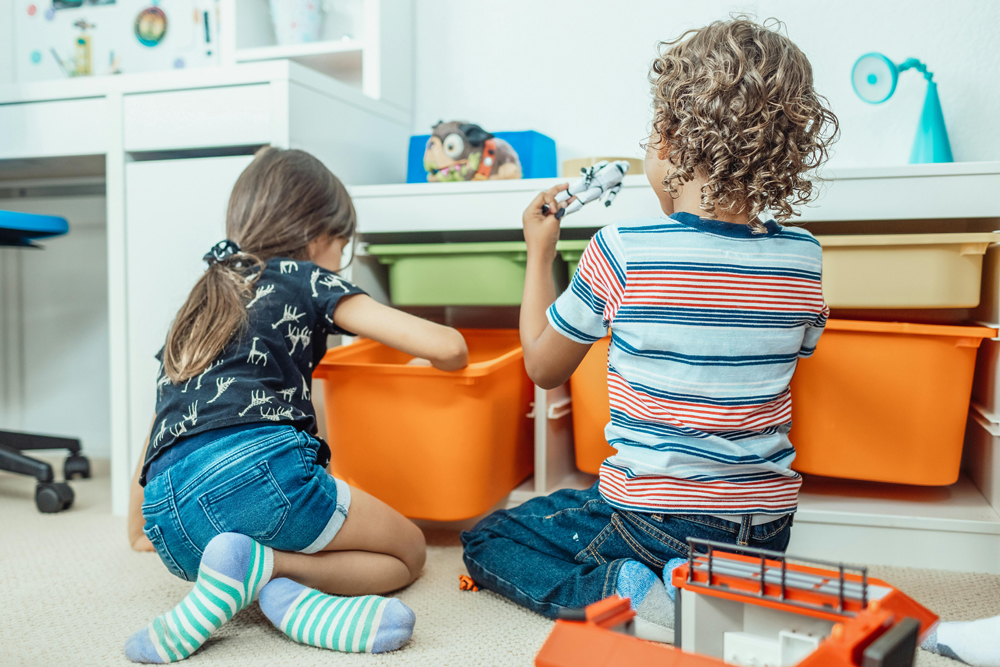
Young children often find it easiest to toss everything into one big container. But the bigger the bin, the harder it is to find that one favorite toy without dumping it all out. Clear bins make it easy to see what’s inside, though they might be best kept in a closet for a tidier look.
If you’re designing the space, consider using colored or decorative bins to keep things stylish and clutter-free.
Make the clean-up part of their routine.
Set a regular time to clean up toys together. It helps build good habits and keeps the mess from piling up. Use it as a chance to teach your kids how to sort and put things back where they belong. Turn on some fun music and make it a game. Maybe challenge your child to see who can clean up the fastest!
Choose space-saving toys.
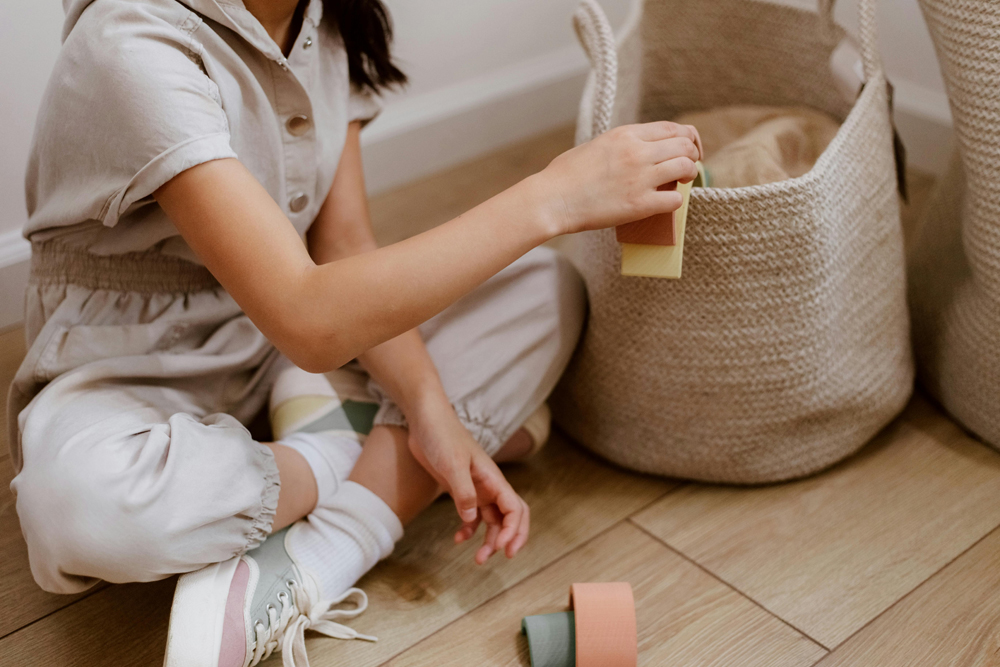
Are you considering adding a playhouse or tent to the room, but unsure if you have the space? Big toys like play kitchens and houses are tons of fun, but they can take up a lot of room (and they usually come with lots of little accessories, too.) To save space, consider pop-up tents or foldable playhouses that are easy to pack away when playtime’s over.
Easels are great for encouraging creativity, but they can take up a lot of floor space. Instead, try using the walls! A mounted whiteboard or a section of chalkboard paint turns your wall into an instant art station without the clutter.
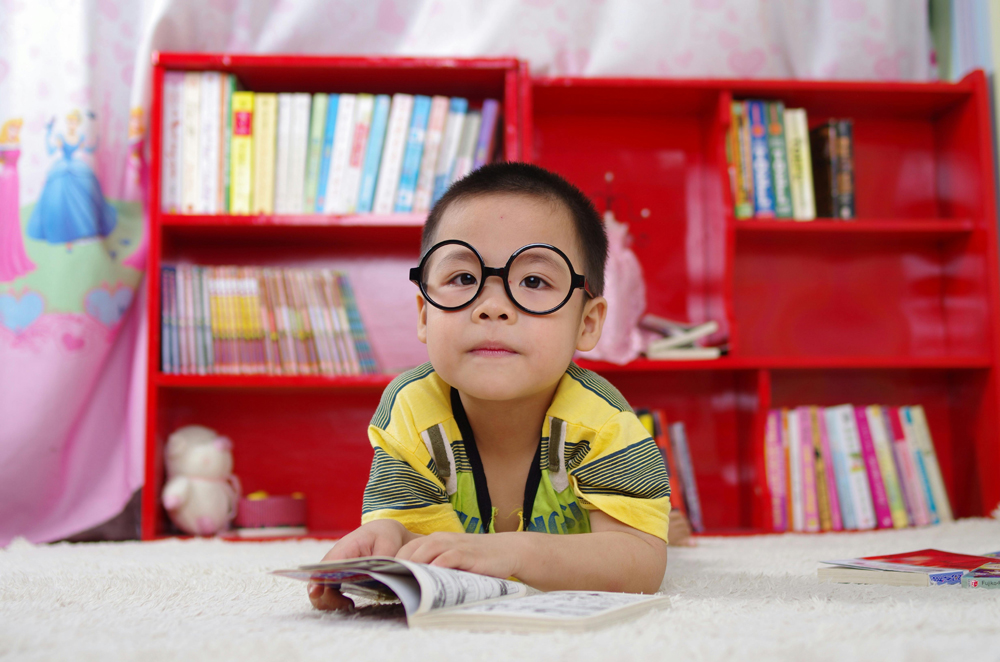
And for little book lovers, installing shelves at their eye level saves space and makes it easy for them to grab a book whenever they want.
Keep playtime exciting by rotating toys.
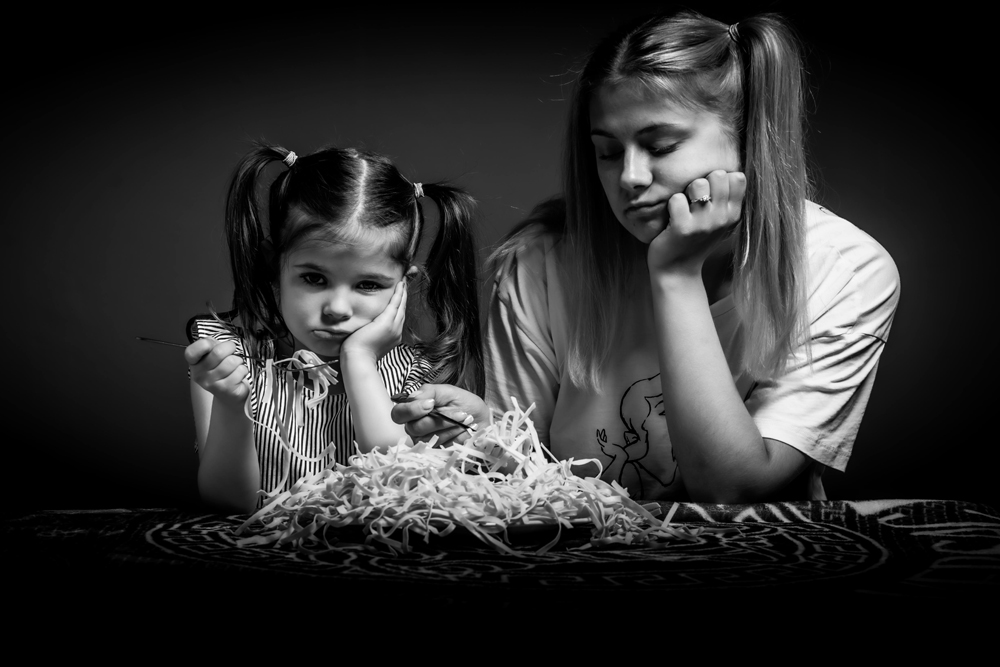
Having too many toys out at once can actually be overwhelming for kids.
When there are too many choices, they might struggle to pick something—or just stick to the same few toys every time. Try storing away some toys, especially seasonal or less-used ones, in bins (wink, wink) or a closet. Then, rotate them every few weeks. It keeps things fresh and exciting, and helps prevent boredom without buying anything new.
Make toy donations a habit.
Create a simple plan for passing toys along once your child has outgrown them or lost interest. The holidays, birthdays, or even a change of season are perfect times to sort through toys together and choose a few to donate.
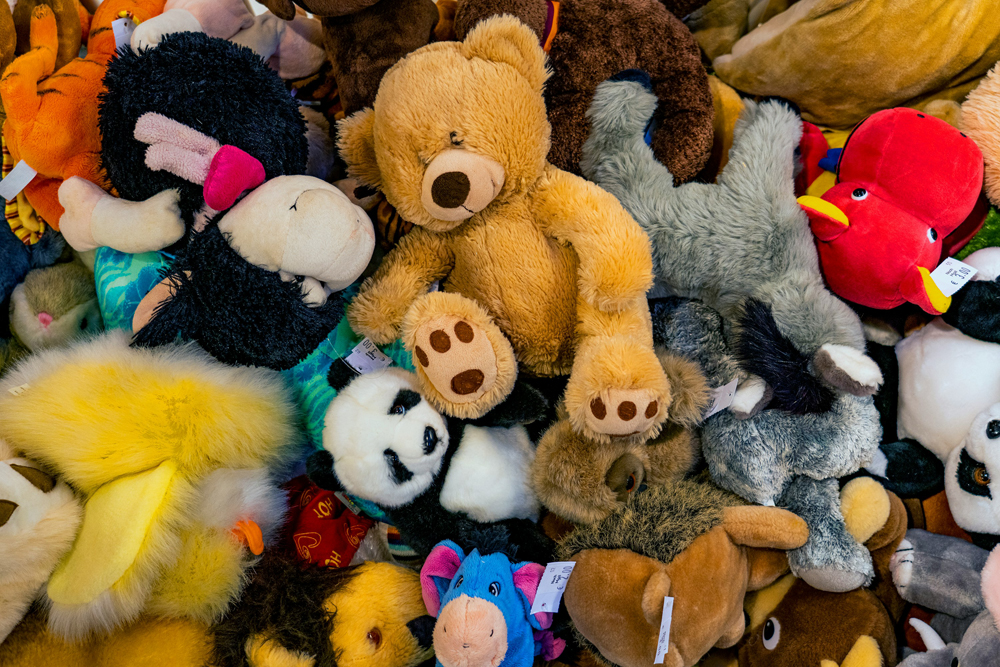
You can give them to a neighbor with younger kids, a local charity, school, daycare, or church. If the toys are in good condition, you can sell them at a yard sale or online to help pay for new ones. Just be sure to toss anything broken, unsafe, or recalled.
Decluttering Can Be Fun—Here’s How
Decluttering doesn’t have to feel boring—especially for kids! Here are some fun and simple ways to get them excited about tidying up:
Make it challenging. See how much you can get done at a certain time.
Reward their efforts. Give them a little motivation by offering small rewards for finishing decluttering tasks. Maybe they get to keep the money from selling items at a consignment store, or you could celebrate with a special one-on-one date!
Set the tone. Children take their cues from you. So if you stay positive about simplifying their room, they are likelier to do the same. And if things start to feel frustrating, it’s okay to pause and take a break.
Decluttering Made Fun
Decluttering and organizing your child’s room helps them feel more prepared and ahead of the game. Plus, it creates a functional space that teaches your child essential life skills like organization and responsibility. Remember, the goal isn’t perfection but about making a space that works for your family.
Along the way, I picked up a few helpful lessons—not just for keeping my child’s room organized, but also for staying on top of clutter in other parts of our home. With these tips and lots of patience, you can turn your child’s room into an organized, productive, and inviting space ready for the challenges and excitement ahead.
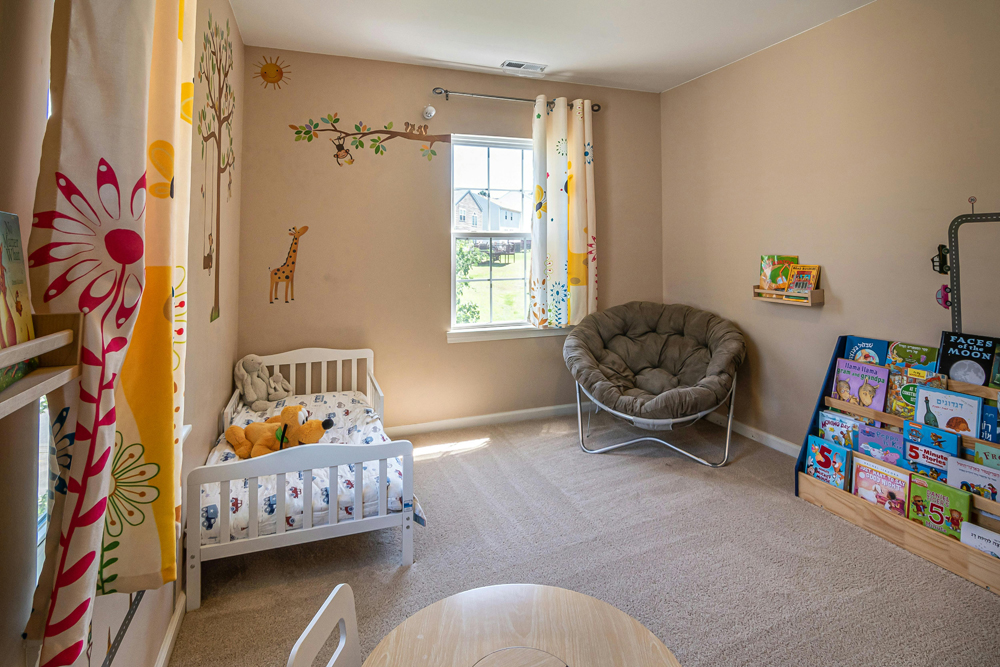
And as a parent of two girls who can mess up a room four times as fast as I can clean it up, I understand that taking the time to declutter, organize, and simplify sets your child up for success, in school, at home, and beyond.


 Over My Dad Body
Leave a comment