It feels like we’ve just packed away the Christmas decorations and put the Advent wreath back in storage—and suddenly, it’s already time to start thinking about Lent.
It can be a bit confusing for kids who might not fully understand the bigger picture of Jesus’ life. One moment, they’re celebrating the sweet baby in the manger, and the next, they’re hearing about Him as an adult facing suffering and death.
So, how do we help children make that emotional leap from the joy and excitement of Christmas to the more serious and reflective season of Lent and Holy Week?
Brighten someone’s day with a small act of kindness.
Random acts of kindness are a wonderful way to show your little ones that they have the power to make the world a little brighter just by helping others. Most children love the idea of surprising someone in a good way—and once they get going, they often want to do even more!
Kindness can be simple, like holding the door open, helping with a chore, collecting spare change to donate, giving a compliment, or even just making someone laugh. As you talk about kindness, ask your child how Jesus and His disciples showed love and care to others. It’s a great way to connect their actions to their faith.

“Fast” from something for a day.
Giving something up for Lent is a tradition many people follow, but it’s important to help children understand why we do it. Lent is about sacrifice and self-discipline. It’s a way for us to remember and reflect on the sacrifice Jesus made for us.
Invite each child to choose something they’d like to give up for just one day. It could be sweets, screen time, or even their favorite toy. Gently guide them toward a choice that feels challenging but doable. The goal is for them to experience success with this practice so they can feel encouraged and grow in their spiritual journey.

Offer something meaningful to someone.
As a family, take some time to think about if there is anything you can give to someone else—whether it’s another person, a group, or another family.
Maybe it’s a bunch of stuffed animals no one plays with anymore that you can donate to a local charity. Or maybe it’s old clothes or even a quick grocery run for a nearby food bank.

It doesn’t have to be anything big or expensive. Something as simple as giving a small item to a friend or relative in need counts, too. The heart of it is learning to share what you have with someone who might need it more.
Celebrate Palm Sunday at church.
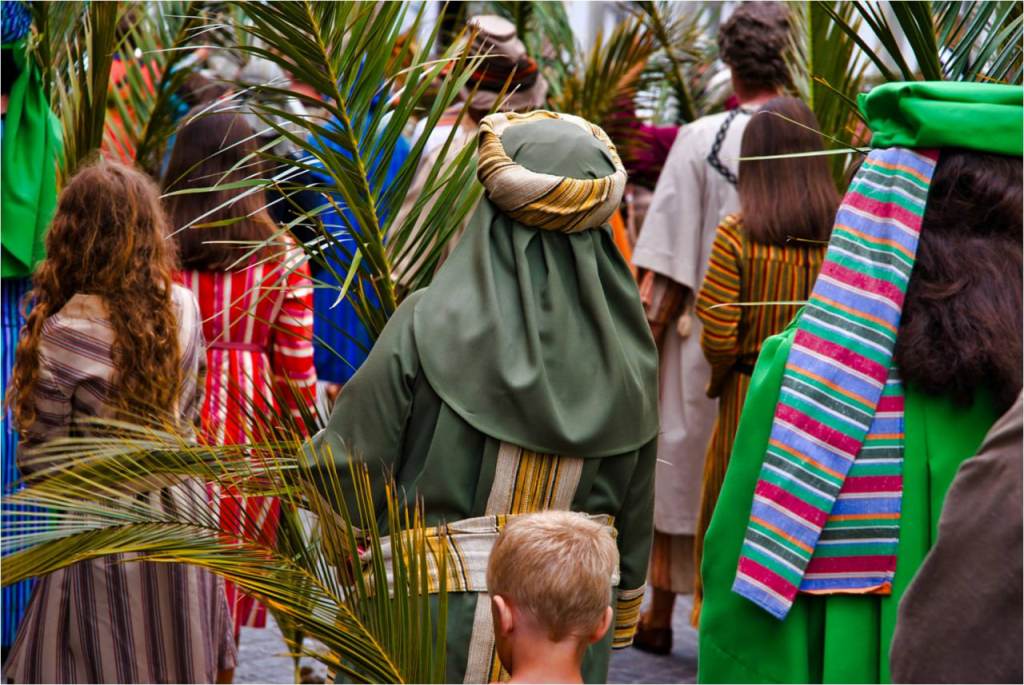
This is a wonderful family activity for Palm Sunday. You can find real or artificial palm fronds, or if you prefer, trace and cut out your kids’ hands from green paper and glue them to popsicle sticks to make your own “palms.” Then, head to church on Palm Sunday and wave your palms with joy to celebrate the arrival of Jesus.

Make a cute lamb using cotton balls.
Grab some cotton balls and paper, and glue the cotton balls onto the paper to create a little lamb. Then, draw a face and legs to complete your creation. As you work together, take a moment as a family to talk about how Jesus is the Lamb of God (John 1:29) and what that means to you.
Do a foot-washing ceremony as a family.
This idea comes from the foot-washing ceremony in John 13:1-17, where Jesus knelt down to wash His disciples’ feet—something usually done by servants. Taking part in a foot-washing ceremony together is a meaningful way to talk about humbling ourselves and serving others.
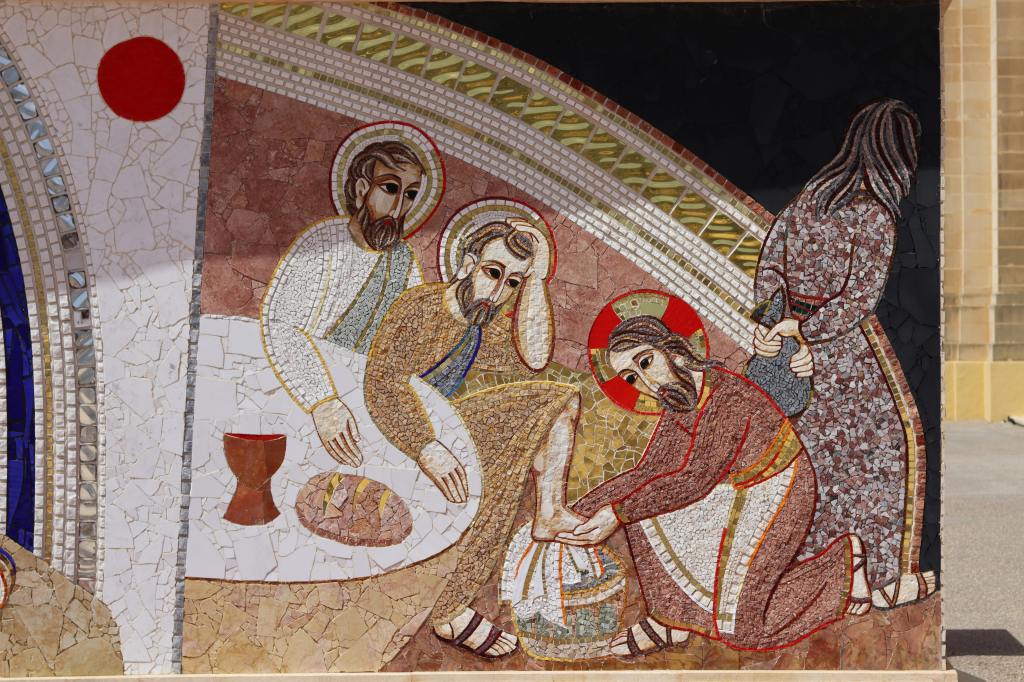
Start by washing your children’s feet, and then have them wash yours. Consider drawing names to make it more fun if you have a larger family. It’s a wonderful family activity that’s both meaningful and a little silly.
Try playing a game in the dark.
You can play any game in the dark—just grab some flashlights, headlamps, and nightlights, or even rely on your natural night vision! One of my favorites is Flashlight Tag. Remember that even a simple game becomes much more fun when playing it by flashlight. After the game, it’s a great chance to talk about the darkness that covered the earth when Jesus died (Mark 15:33).

Keep someone in your thoughts and prayers.
If your little ones are anything like my eldest daughter, prayers before meals and bedtime can become a sweet little routine—repetitive but comforting. As Easter approaches, though, consider mixing things up by challenging yourselves to pray for someone you wouldn’t normally think to include.

If you’re unsure where to start, grab your church directory and see who stands out—it might be just the nudge they need!
Take a walk or bike ride and talk about Jesus’ journey.
Head out as a family to your favorite place for a walk or bike ride. It doesn’t have to be a perfect sunny day. Actually, a cloudy or chilly day can be the perfect chance to talk with your little ones about how Jesus traveled.
Share how He and His followers often walked long distances through all kinds of weather, facing challenges along the way. They didn’t have it easy, but they kept going so that more people could hear about the Gospel.
Pitch in with yard work or help clean up your neighborhood.
With spring or summer in full swing, it’s a great time to serve together as a family. Consider helping with yard work for a grandparent, an elderly neighbor, someone from church, or a family friend who could use an extra hand.
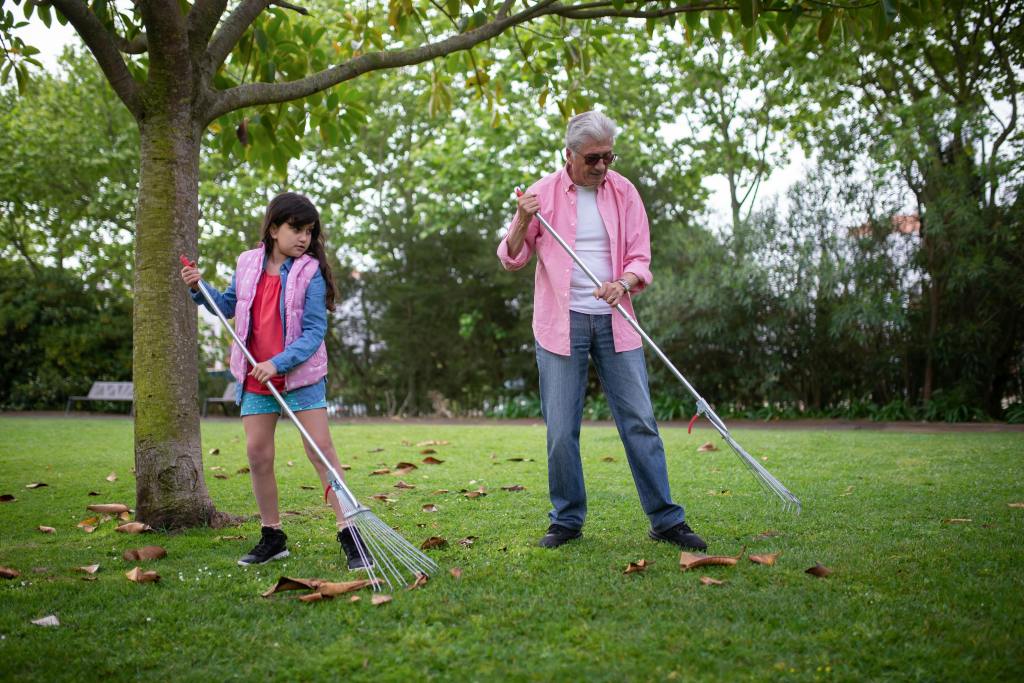
Another simple way to make a difference is by taking a walk through your neighborhood or a local park and picking up litter. It’s a great way to care for your community while spending time together.
Time for a scavenger hunt!
Give your child an early Easter basket, bag, or bucket, and send them off to find items that remind them of Lent and Easter. They might pick up things like a cross, a palm branch, a Bible, a coin—whatever comes to mind.
Set a time limit, and once the hunt is over, gather everyone together and go through what they found. Ask each child to share why they chose their items—it’s a great way to spark meaningful conversations. This activity works well outside, but it can be as easily done indoors if the summer heat doesn’t cooperate.
Read the story of Jesus’ resurrection.
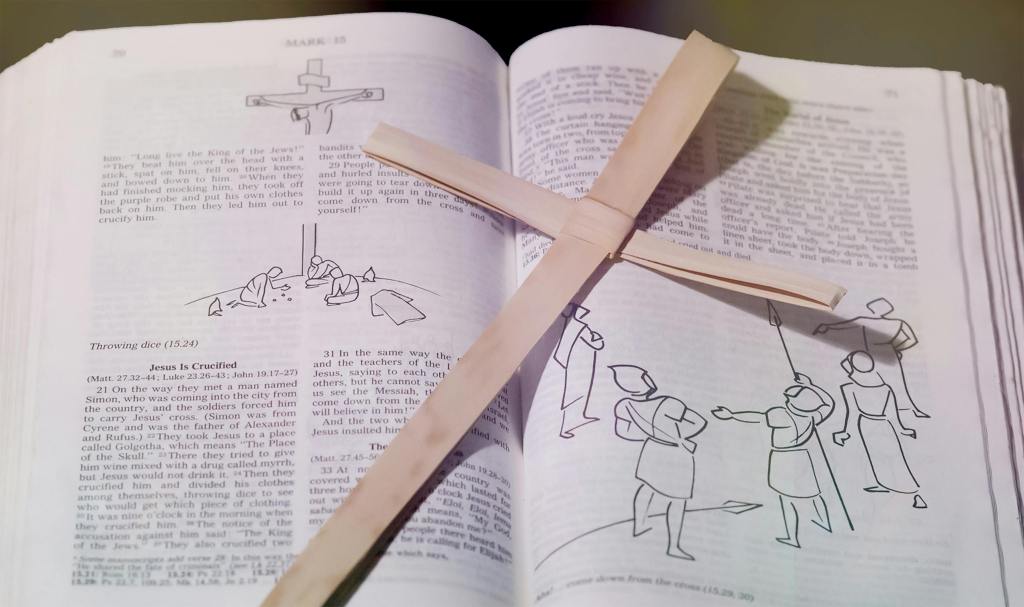
Snuggle up together at home or head outside for a picnic and bring along your Bible (or a favorite children’s Bible) to read the story of Jesus’ resurrection. You’ll find it in Matthew 28, Mark 16, Luke 24, and John 20.
Don’t feel like you have to read everything at once!
You can read just a few verses each night, go through a full chapter on Saturday evenings during Lent, or pick a few special verses to focus on during Holy Week. Whatever pace works best for your child is perfect. It’s all about spending time together and reflecting on the hope of the resurrection.
How to Talk to Your Child About the Crucifixion?
Teaching about the crucifixion can be tough, especially when deciding how much detail to share. The level of detail depends on your child’s age and sensitivity.
For most children (except the very youngest), including Jesus’ death as part of the full Holy Week story is important.

For children ages 3-5, it’s best to avoid graphic details about the violence of the cross, as this is still a time when their imaginations are vivid and can turn those details into scary images that might keep them up at night. Simply saying, “Jesus died for you,” could make a child feel guilty, so it may be better to say something like, “Jesus died because He loves you and me,” and leave it at that.
For kids ages 6-9, this is the age of the endless “why” and “why not.” And while they can handle more details, the intense specifics about the nails, scourging, and so on are still too much for them. Children can start learning the sequence of events during Holy Week and some of the details at this age. Sharing how Jesus showed concern for His mother while on the cross is a great way to help kids understand both Jesus’ humanity and His deep love for others.
Kids ages 10–14 are often ready to go deeper in their understanding of faith and what it means to live it out each day. This age group tends to have a strong sense of the dramatic and connects best when their minds and imaginations are actively engaged. They thrive through meaningful discussions, thought-provoking questions, and experiences that carry emotional weight, like powerful books, worship services, or even films. Watching and talking about movies like Jesus of Nazareth or Jesus Christ Superstar can spark great conversations and create teachable moments.
Lent as a Family
No matter how many kids you have or what ages they are, walking through the season of Lent together as a family is important. Our homes are like little churches, and God has entrusted us with the amazing responsibility of shaping young hearts and minds to know and follow Him.
Embracing meaningful Catholic traditions like making small Lenten sacrifices is a beautiful way to help our children lay a strong foundation of faith.




 Over My Dad Body
Leave a comment