You might have noticed that you are changing fewer diapers these days, and maybe your little one’s waking up from naps with a dry diaper. Those are pretty good clues that it might be time to start thinking about potty training.
The big secret to success? Patience and remembering that every kid hits this milestone in their own time. There’s no one-size-fits-all method, but there are some tried-and-tested tips that can really help.
Here’s what you need to know to get started.
Signs Your Toddler Might Be Ready for Potty Training
Most kids aren’t quite ready to start potty training until after they turn 2, and some may take their time, waiting until they are closer to 3 ½ years. Dads, don’t worry, that’s totally normal.
The key is to be patient and avoid rushing your toddler into it before they are truly ready.
Remember that every child develops at their own pace, and if your little one has not quite figured it out by their third birthday (or even a bit later), it doesn’t mean they are behind. They’re just doing things on their own timeline.
Even the best potty training tricks won’t do the job if your little one isn’t quite developmentally ready. It’s worth waiting until you see these clear signs to ensure they are truly ready to begin.
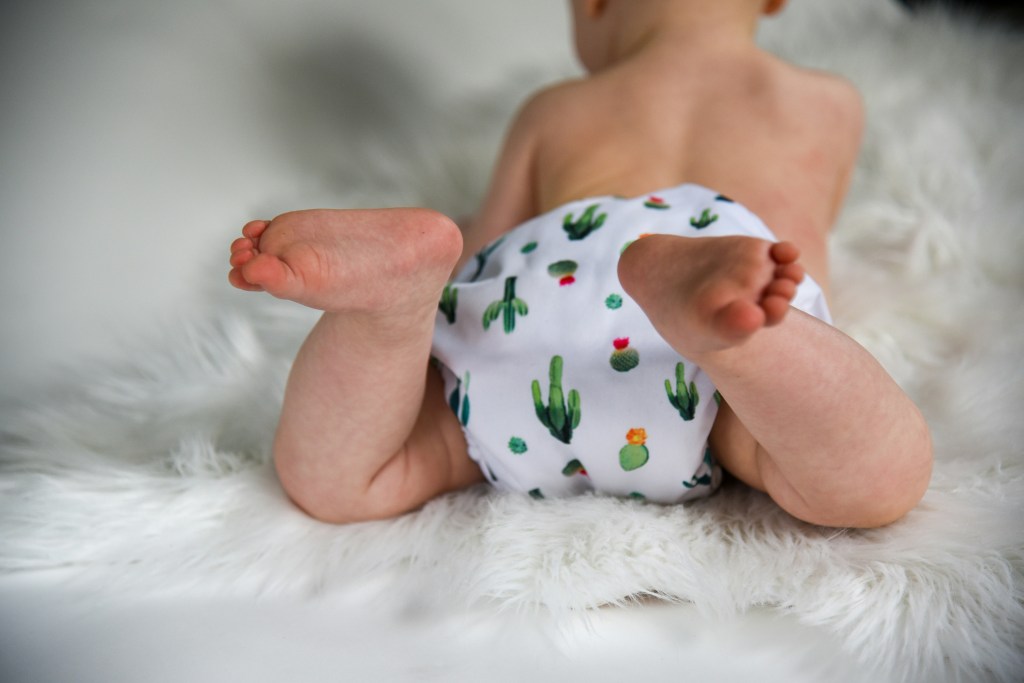
- You are not changing as many diapers. Before about 20 months, most toddlers pee pretty often. But if you start noticing that your child stays dry for an hour or two at a time, that’s a great sign! It means they are beginning to develop some bladder control and might be getting physically ready to start potty training.
- Your child shows a regular bathroom routine. It makes those last-minute potty runs a lot easier.
- Your toddler is letting you know when they have to go. When your little one starts telling you when they need to pee or poop (or even just make those unmistakable faces), you’ll know potty training might be right around the corner.
- Your child’s starting to notice the discomfort of a wet diaper. At some point, your little one might suddenly decide they are done with sitting in wet or dirty diapers. That’s a big sign they are ready to start using the potty instead.
What You Should (and Shouldn’t) Do When Potty Training Your Toddler
Don’t rush into potty training just because you think it’s time. Instead, wait until your toddler is ready—physically, mentally, and emotionally.
- Your child needs to have control over the muscle that holds and releases urine and poop. This typically develops around 12 to 18 months.
- When they are ready for potty training, your toddler should be able to get to the toilet on their own, sit down, pull their pants up and down, and communicate with you when they need to go.
- You might notice your child is letting you know when it’s time for a diaper change, or they may even start holding their pee longer, like waking up from a nap with a dry diaper. This usually starts happening after age 2.
Be consistent and praise your toddler during potty training, and don’t force it or use punishment.
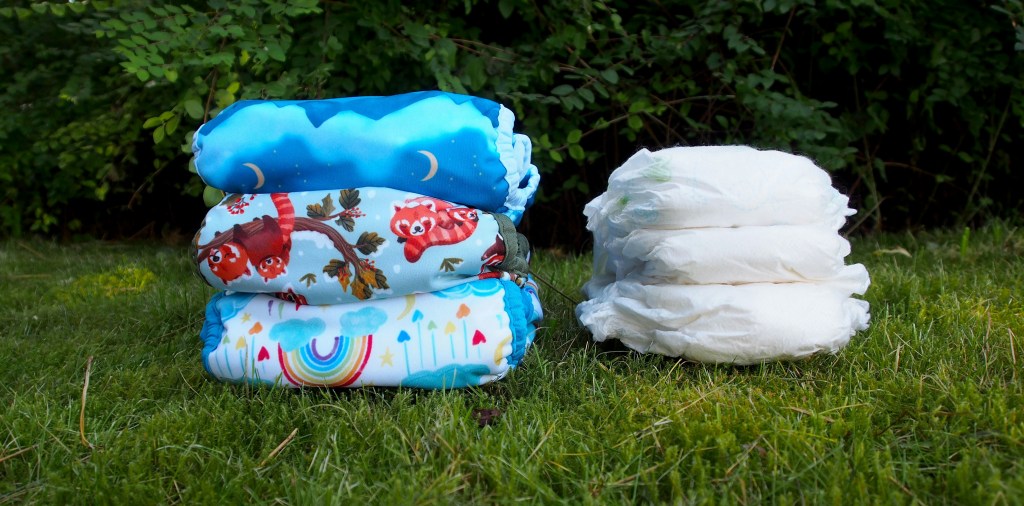
- A common approach is to take your child to the potty every 30 to 60 minutes during the first few days. If that goes well, you can stretch the time between potty breaks. Good times to encourage your child to use the toilet include when they wake up, after meals, before and after naps, and right before bedtime.
- If your toddler doesn’t go potty after a minute or two on the toilet, don’t worry—just move on and try again later. If they have an accident, don’t punish them. Instead, help them clean up, show them what to do with their dirty underwear, and how to change into fresh ones.
- Make sure to praise your child every time they make it to the potty, even if things don’t go perfectly. You can reward them with a sticker chart or a small treat, like a piece of candy, to keep things encouraging and positive.
Setbacks happen during potty training, and that’s okay.
About 80% of families run into setbacks during potty training. So, if you’re hitting a few bumps, you are definitely not alone. Even if your toddler is doing great during the day, it’s totally normal for them to still need diapers or pull-ups for naps and nighttime. Most children aren’t fully dry overnight until around age 6, so don’t stress if it’s taking a while.
If your little one isn’t making much progress, it’s okay to take a break.
Hit pause and try again in a couple of months. And remember: there’s no one “right” way to do this, no matter what anyone says. Every child is different, and every family has their own rhythm. Just go with what works best for you.
Make potty training easier (and more fun) with the right gear.
Think about picking up a small potty seat or adding a toilet insert and step stool to your bathroom setup—whatever makes it easier for your toddler to use the toilet. Let them choose the color or design to get them excited about it.
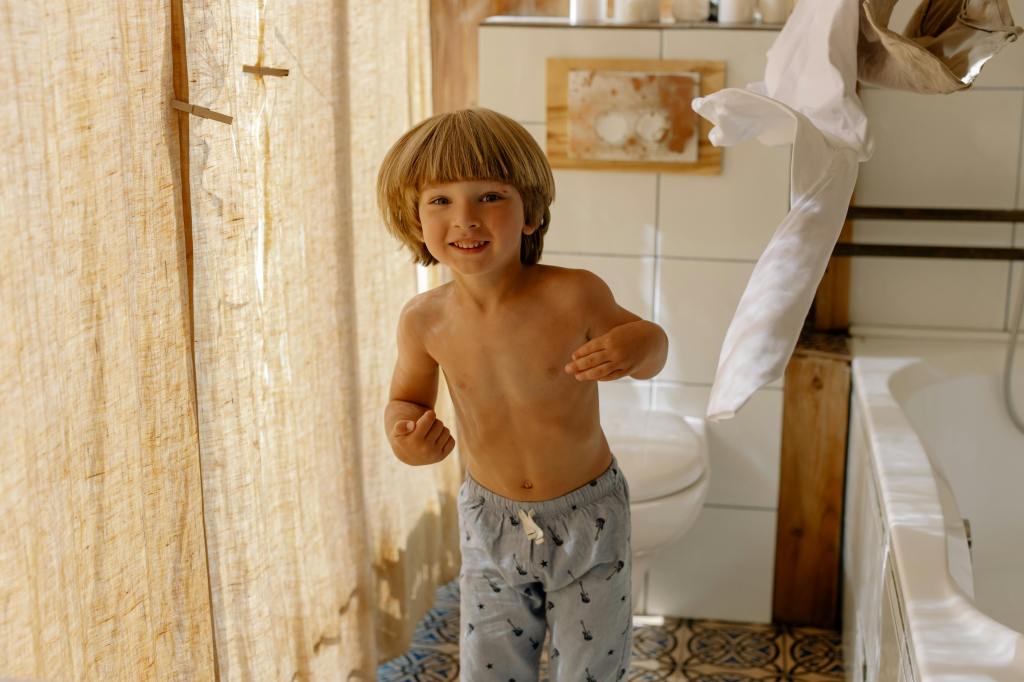
You can also grab some underwear featuring their favorite characters—it adds a fun little boost of motivation. Just be sure to have plenty on hand… because, well, accidents happen.
Another helpful trick: books, songs, videos, and games about potty training can really get your child more engaged. The more fun and familiar it feels, the smoother the process tends to go.
How to Potty Train Your Toddler
Potty training is a significant milestone; for many parents, it can feel like a rollercoaster. But take courage because you’ve already set the stage, and now it’s time to put that potty to work!
Here are some simple tips to help you get started.
Diaper-free time can help.
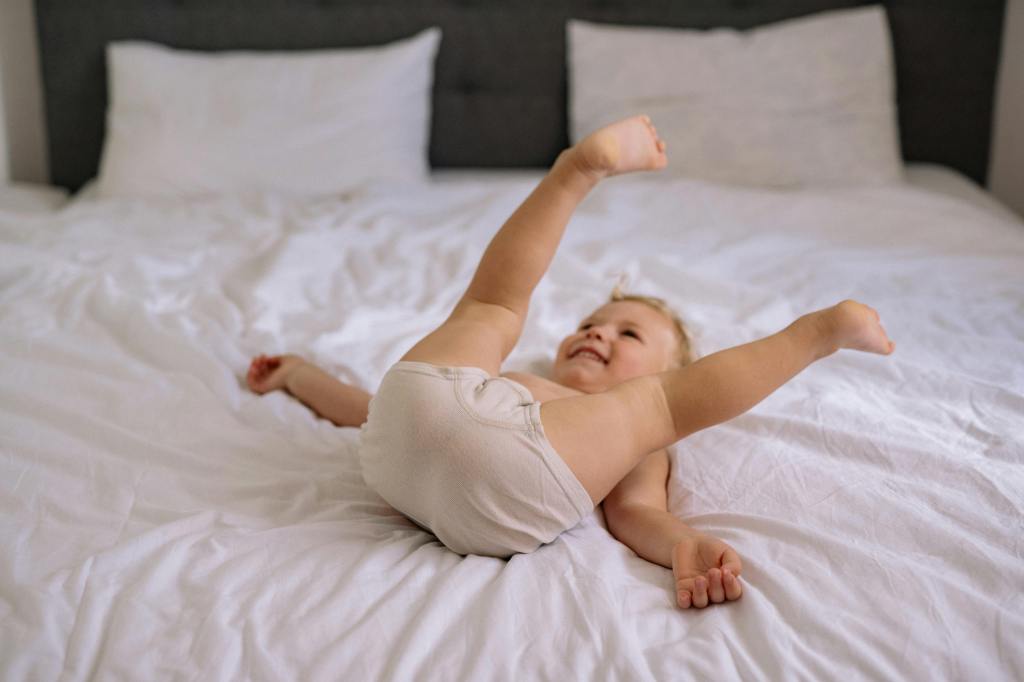
To help your child become more aware of their body’s signals, try letting them go without a diaper or pants for a little while, somewhere private like a fenced yard or a room with easy-to-clean floors. Without a diaper, it’s easier for them to notice when they need to go. Keep the potty nearby so they can get to it quickly when the urge hits.
Encourage water breaks.
Some parents think that limiting drinks will help prevent accidents — but that strategy isn’t fair, healthy, or all that effective.
A better approach? Offer plenty of fluids throughout the day. The more chances your child has to use the potty, the more confident and successful they will feel.
Pay attention to your child’s bathroom cues.
By now, you might be better at spotting the signs when your child needs to go than your child is. If you notice things like fidgeting, squirming, or that “uh-oh” look, gently check-in and ask if they need to use the potty.
And even if you’ve missed the moment and the “accident” has already happened, having them sit on the potty is still helpful, just to keep reinforcing the habit.
Expect a few “accidents” along the way.
When accidents happen, stay calm and be ready. Gently change your child into a dry diaper or training pants without any fuss. It’s important to avoid getting upset, shaming them, or using punishments like making them wear a dirty diaper. Instead, offer kind, encouraging words.
For example, you might say, “I know you’ll get the hang of using the potty soon.” On rare occasions, it’s okay to gently let them know that it’s not what we want, like saying, “Big kids don’t like pee in their pants.”
Always keep a spare set of clothes and underwear on hand, especially if your child is at school or daycare.
Cheer them on.
Let your child know that using the potty is a big step — it means they’re growing up!
At first, a little reward can go a long way. Try adding a coin to their piggy bank or promise to treat them to ice cream each time they succeed.
Once he starts getting the hang of it, you can gradually ease off the rewards and let their own confidence and motivation take the lead.
Helping Your Child Stay Dry Overnight
Start by focusing on daytime potty training before trying to go nappy-free at night. Once your child starts waking up with a dry or mostly dry nappy for a few mornings in a row, that’s a good sign they might be ready for the next step.
With my eldest daughter, I just decided to put her to bed without a nappy and crossed my fingers she wouldn’t have any accidents during the night. Thankfully, she didn’t—and I made sure to shower her with tons of praise!
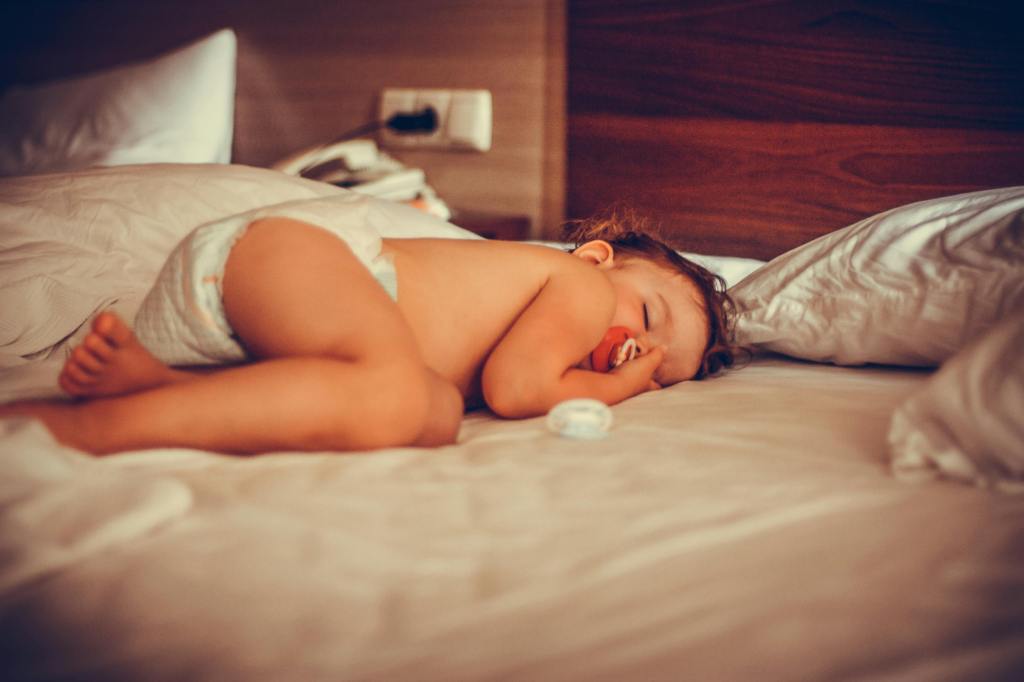
Have them use the potty right before bed, and keep it nearby at night so it’s easy to reach if they need to go. Know that accidents will happen (that’s normal), so using a waterproof mattress cover for now can help.
Just like during the day, cheer them on for every little win. And if it’s not clicking yet, no stress! Simply stick with night nappies a bit longer and give it another shot in a few weeks.
What Is the 3-Day Potty Training Method?
There are a lot of variations, but basically, the three-day potty training method is a quick way to help toddlers transition from diapers to using the toilet. The idea is simple: stay home for three whole days and let your child go diaper-free (and often pants-free) while they learn to use the potty.
Supporters of this method believe it works better for kids than gradual approaches, which can be confusing. The crash course gives little ones a clear understanding of what it feels like to need to go, making the process faster and more direct.
Go at Your Child’s Pace
Even the most eager toddler can take weeks to really get the hang of potty training. Taking a few steps back for every step forward is normal. Be careful because if you expect perfection right away, you might accidentally chip away at your child’s confidence.
I know there is no shortage of advice out there promising the fastest, easiest way to potty train. But the truth is, every child is different. What works like magic for one might not work at all for another.
Remember to keep your potty reminders light and casual. Constant nagging can actually make your child push back. And if accidents happen (because they will), try to stay calm.
Scolding, punishing, or shaming won’t help. Nobody loves cleaning up a mess, but keeping your cool makes all the difference. And if your child is clearly not into it yet, it’s okay to take a break for a few weeks and try again later.
Above all, be patient.
Potty training is rarely smooth sailing, but your calm confidence can help your child feel secure. Let them know you believe in them — that kind of support goes a long way.
Hang in there. Your little one will figure it out. You’ve got this!


 Over My Dad Body
Leave a comment