
Helping your baby learn to talk is an exciting part of their development. From those first adorable coos and babbles to their very first words, watching their language skills grow is an amazing journey.
But when do babies actually start talking, and how can you help them along the way? In this post, we’ll explore the early stages of baby talk and share simple, practical tips to encourage your little one’s language development.
Making Sense of Your Baby’s First Sounds
Before your baby starts speaking actual words, they go through a stage of babbling and cooing—what we often call “baby talk.” These playful sounds are your baby’s way of exploring their voice and laying the foundation for speech.
Every coo and babble is a step toward their first real words. Paying attention to these early sounds can encourage their language development and help them move from gurgling to actual speech.
Remember that tuning into your baby’s early sounds is important for supporting their language development.

In the first few months, babies communicate through babbles and coos—little experiments with their vocal cords as they discover the sounds they can make. By responding to these early attempts at communication, you encourage their language skills and create a nurturing learning space.
As they grow, you’ll hear new sounds and even notice them trying to imitate the voices around them—an exciting sign that they are on their way to talking!
Why Listening and Responding to Your Baby Matter
Listening and responding to your baby’s sounds play a big role in their language development. When your little one coos or babbles, take a moment to engage—listen closely and respond. This lets them know their voice matters and encourages them to explore new sounds.
Your response can be as simple as smiling, making eye contact, or mimicking their noises. These small interactions help your baby understand that their sounds have meaning and that communication is a two-way street.
Help Your Baby Explore Sounds and Imitate Words
Playing with sounds and encouraging imitation are great ways to support your baby’s speech development. Try making silly noises, mimicking animal sounds, singing nursery rhymes, or experimenting with different tones and pitches.
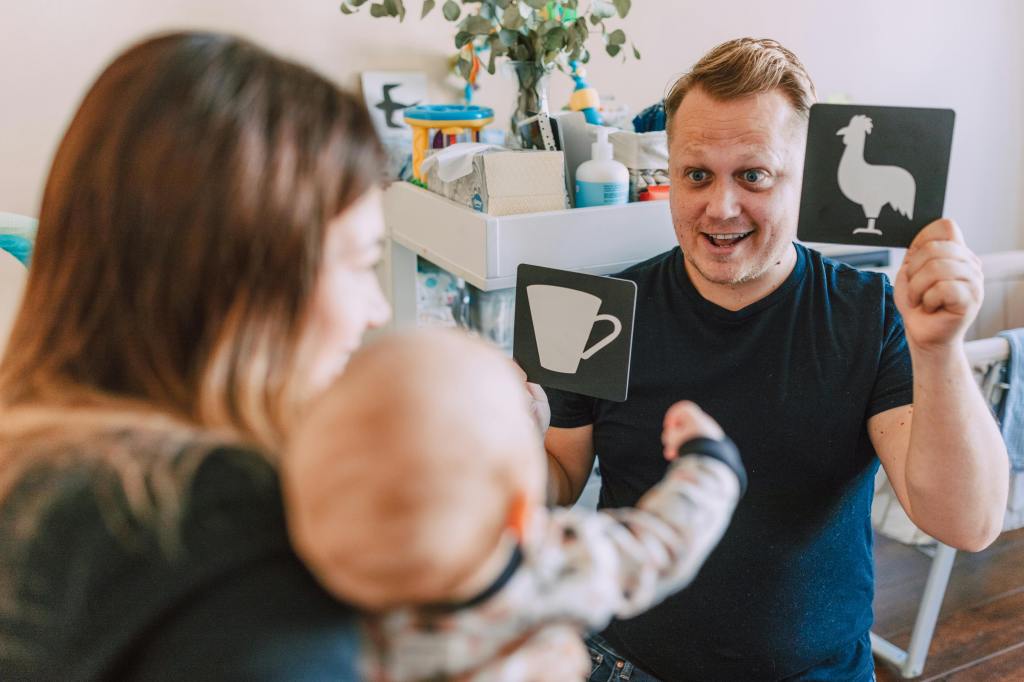
Not only does this make for fun bonding time, but it also helps your baby learn the rhythm and patterns of speech. Imitation is a big part of learning to talk—when your baby tries to copy the sounds you make, they are practicing the skills they’ll need for real words later on.
Ways to Help Your Baby Start Talking
Helping your baby learn to talk is an exciting and rewarding experience. By surrounding them with language and engaging in simple, everyday activities, you can build a strong foundation for their communication skills.
That said, I’ll be sharing practical tips to support your baby’s language development—from talking to them throughout the day to making reading and singing a part of your routine. These small but meaningful interactions will help your little ones find their voice and set them up for a lifetime of confident communication.
Make daily conversations a habit.
Talking to your baby daily is a simple but powerful way to help them learn language. Chat about your day, describe what’s around you, and ask them little questions. Remember that even if they can’t answer yet, they are soaking it all in.

For instance, I chat with my baby about what we are doing. I say things like, “I’m turning on the water for your bath—whoosh! Feel that? It’s nice and warm. Now, let’s pick out a toy. How about your yellow duck? Quack, quack!”
Does she understand everything? Probably not—but keep going! One day, she’ll surprise you with her very first “da”—maybe even for “duck!”
Babies start connecting sounds to meaning long before they speak, so use clear, simple words and switch up your tone to keep them interested. These daily conversations aren’t just good for their language skills and strengthen your bond with your baby.
Listen to your baby.
Talking to your baby helps build their vocabulary, but they also need time to experiment with sounds on their own. When they start babbling, pause and give them your full attention. Make eye contact, really listen, and let them work on those “mmm” and “ahhh” sounds—without interrupting.
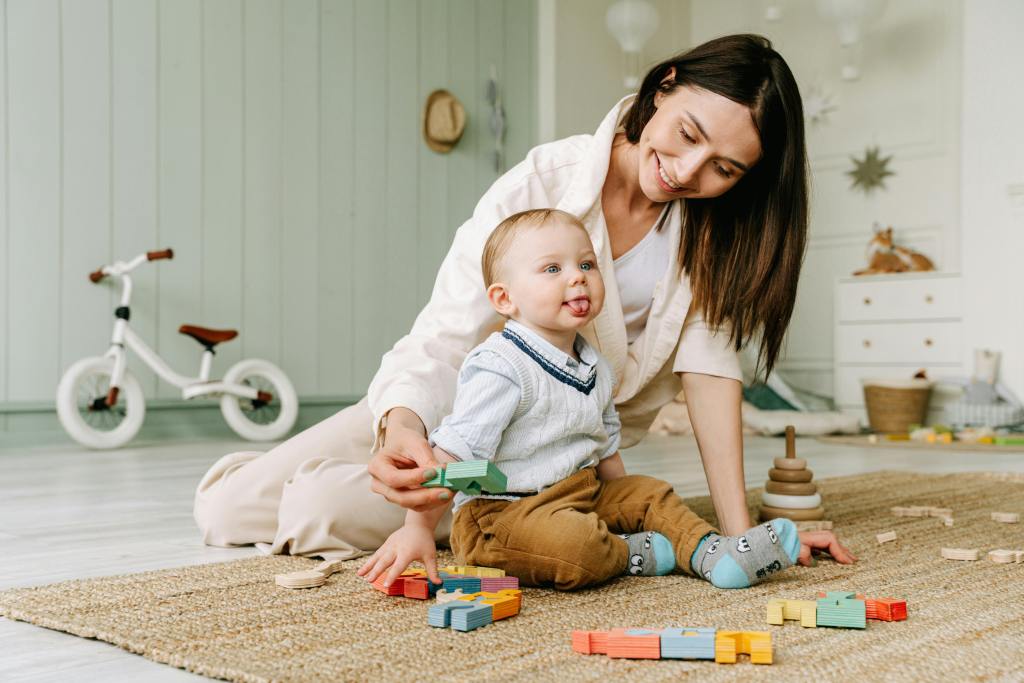
Encourage their attempts at talking by mimicking their sounds. If they coo, coo back. If they let out a breathy “ah,” respond with one of your own and show excitement. They’ll love these little “conversations” with you; before long, it might just become their favorite game!
Ask your baby questions.
No, you don’t need to quiz your baby on fun facts, but asking simple questions is a great way to keep them engaged. Try something like, “Should we walk to the park or drive?” or “Do you want to read the book about animals or the one about veggies?”
Give them a chance to respond (even if it’s just a coo or a little babble), and then follow up: “Oh, you like the animal book? Me too!”
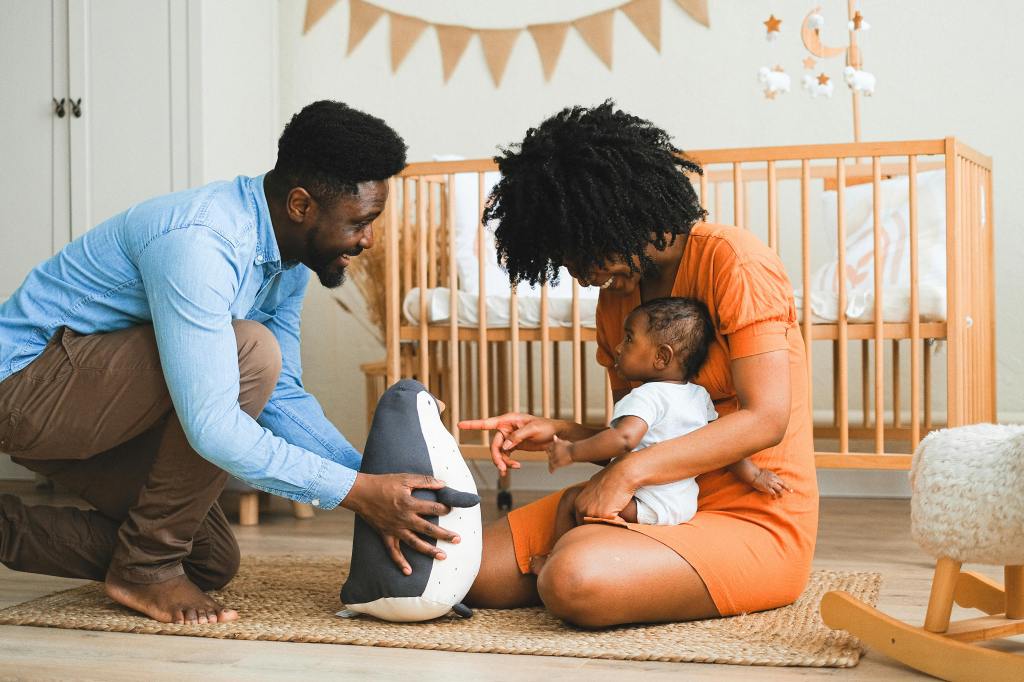
Sure, you’re doing most of the talking for now, but you are also showing them how conversations work—one person speaks, and the other responds.
Give everything a name.
Using simple words can help your baby recognize and learn them, especially as they get closer to talking. Try pointing things out and naming them: “ball,” “banana,” “bird.” Consistency helps, too! So, if you usually call the family pet a “dog,” stick with that instead of switching to “doggie.”
Copy your baby.
My daughter loves it when I “talk” to her the way she talks to me.
Copying your little one’s babbles teaches them that communication is a back-and-forth exchange. It might feel silly sometimes (or like a guessing game), but respond anyway—even if you are not sure what they are trying to say.
And don’t just mimic their sounds. Copy their facial expressions, too! It will help them learn to express themselves even more when they start talking.
Repeat words to help your baby learn.
Repeating words, phrases, songs, and nursery rhymes is a great way to help your baby learn language. It helps them recognize patterns, build their vocabulary, and connect sounds to meaning. Try singing nursery rhymes or saying simple phrases over and over—your baby will start to catch on!
Encourage them to join by clapping, imitating sounds, or pointing to pictures in their favorite books. Repetition isn’t just good for language development—it also strengthens memory and makes learning fun!
Watch, listen, and smile.
Babies are experts at observing the world around them. Even before they start talking, they can pick up on the general meaning of what you are saying—and even more importantly, the emotions behind it.

So, smile at your baby. When he babbles, give him your full attention. Make eye contact instead of looking at your phone or chatting with someone else. These small gestures help him learn one of the most important lessons about communication: it’s a two-way street.
Don’t forget to make it fun.
Try different ways of talking to your baby and mix things up! One day, you might feel like singing, while the next, you’d rather snuggle up with a book. The more you engage, the sooner you’ll hear those magical first words.
But remember, everyone needs a little quiet time—including your baby. If they start tuning out, turning away, or getting fussy, they are letting you know it’s time to give her ears (and your voice) a break.
Grow Your Baby’s Vocabulary With Books and Songs
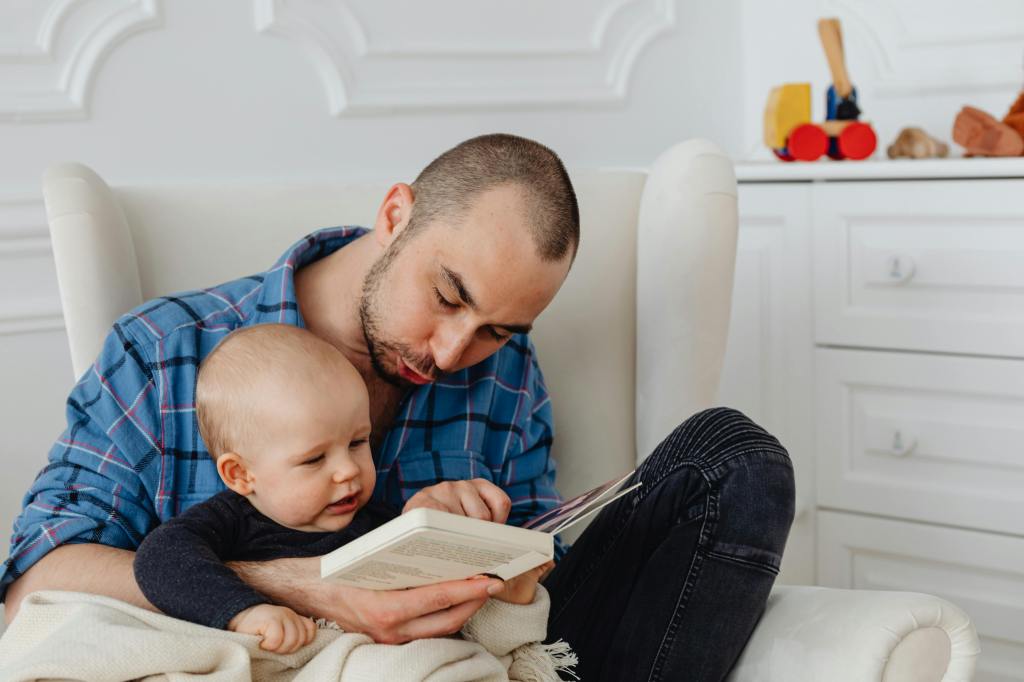
Reading and singing are great ways to help your baby learn new words and develop language skills. Make reading a daily habit, and pick books with simple words and bright pictures. As you read aloud, point to the pictures and talk about what you see.
Singing songs and nursery rhymes is another fun way to introduce new words and sounds. Choose songs with catchy, repetitive lyrics, and encourage your baby to join in by clapping or mimicking the sounds.
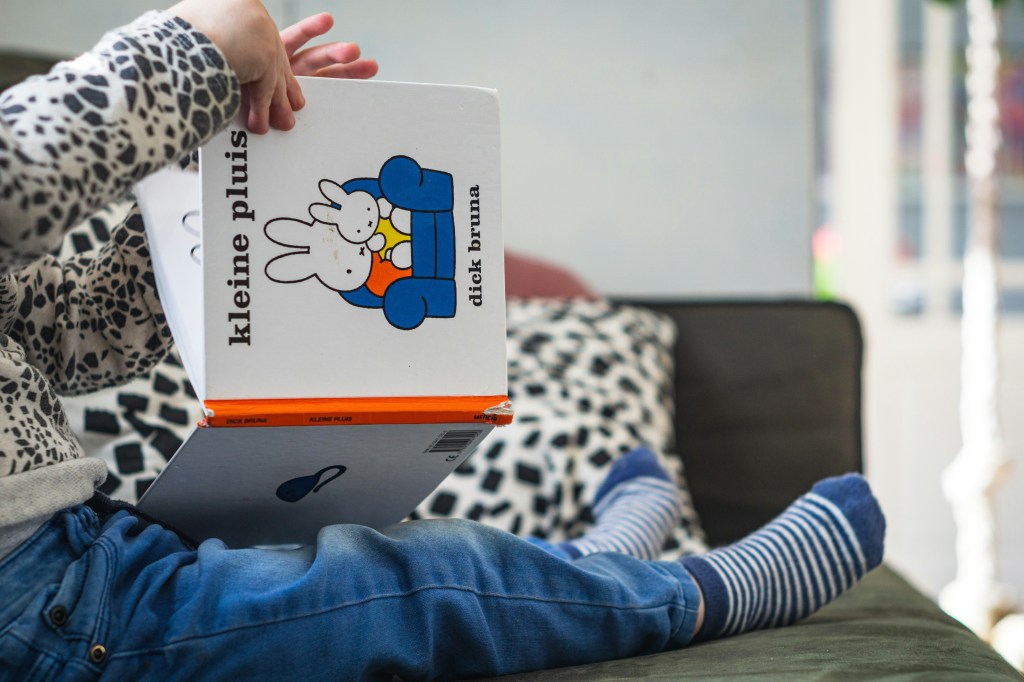
How to Make Reading Engaging and Fun
Reading with your baby can be a fun and interactive way to build their language skills and encourage communication. Here are some simple tips to make your reading time more engaging and meaningful:
- Use different voices and tones to make the characters come alive and keep your baby engaged.
- Point to the pictures and name objects to help your baby connect words with visuals.
- Let your baby turn the pages, explore different textures, and get hands-on with the book.
- Ask simple questions about the story or characters to spark curiosity and encourage responses.
- Repeat keywords or phrases to reinforce learning and build their vocabulary.
Why Singing to Your Baby is Important
Not a great singer? Don’t worry—your baby won’t care! Whether you’re singing nursery rhymes, Baby Shark, or your favorite rock song, they’ll love hearing your voice. And if you add some fun gestures to go along with the music, even better!
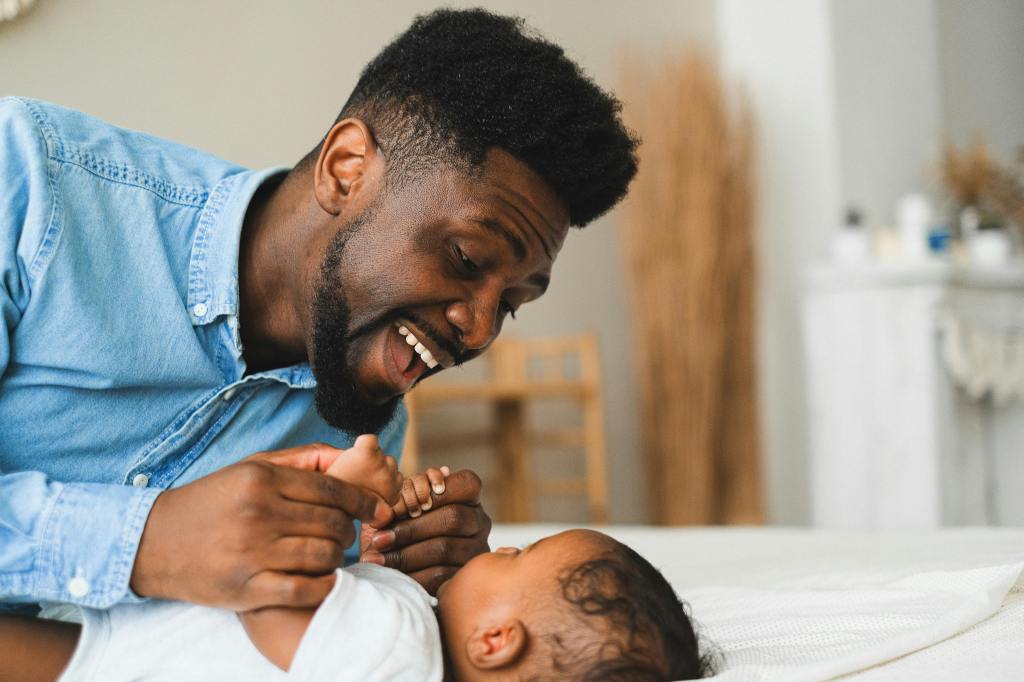
- Singing helps your baby learn language. Singing helps your baby tune into the rhythm, melody, and flow of speech, building their listening and language skills.
- Boosts memory and thinking skills. Singing strengthens your baby’s memory and thinking skills as they start to recognize and anticipate lyrics and melodies.
- Helps your baby feel calm and comforted. Lullabies can comfort your baby, helping them relax, feel secure, and drift off to sleep.
- Strengthens your bond. Singing to your baby strengthens the emotional bond between you and your baby, making them feel safe, loved, and comforted.
Surround Your Baby With Words
Helping your baby learn to talk is an exciting journey that starts with listening to their early sounds and encouraging them to communicate. By using simple words, expanding their vocabulary, and creating a language-rich environment, you are giving them the tools they need to express themselves.
Storytelling, reading, and singing all make learning even more fun. And remember—every baby learns at their own pace, so patience, consistency, and lots of love are key!




 Over My Dad Body
Leave a comment