
St. Patrick’s Day is one of the most widely celebrated holidays in the world—a day when everyone suddenly feels a little Irish. We throw on something green, embrace the festive spirit, and, for many, raise a pint (or two).
But how did a day meant to honor Ireland’s patron saint turn into a beer-filled celebration? The answer is a mix of history, tradition, and a little bit of clever marketing.
How St. Patrick’s Day Became the Ultimate Beer-Lover’s Holiday
St. Patrick’s Day, celebrated every year on March 17, originally honored the death of St. Patrick, Ireland’s patron saint. For centuries, it was a solemn religious holiday in Ireland, marked by church services and quiet family gatherings.
Since it falls during Lent—a period of fasting and reflection—alcohol was typically off-limits. However, Irish Catholics were granted a special exemption on St. Patrick’s Day, allowing them to enjoy food and drink. This small break from Lenten restrictions planted the seed for the holiday’s connection to indulgence, setting the stage for its long-running association with beer.
When Irish immigrants brought St. Patrick’s Day traditions to America, the holiday transformed. What was once a quiet religious observance became a vibrant public celebration, complete with parades, music, and packed pubs.
Irish-owned bars quickly became the go-to spots for March 17 festivities, and since beer was already central to Irish social life, it naturally became part of the tradition.
Today, St. Patrick’s Day and beer are practically inseparable. In the U.S., it ranks among the biggest beer-drinking days of the year, alongside the Super Bowl and Oktoberfest. Many breweries join in the fun, releasing special-edition Irish stouts, red ales, and even green-tinted lagers to mark the occasion.
How to Brew the Perfect Dry Irish Stout
This recipe is quick and beginner-friendly. Perfect for new brewers looking to gain confidence, yet it still delivers rich flavor and a bold, classic look. Despite its dark color, a dry Irish stout is surprisingly light and refreshing, making it a great choice year-round.
Here’s what you’ll need to brew this dry Irish stout.
Malt & Grains:
3.25 lbs (1.5 kg) light dried malt extract
0.5 lb (227 g) Carapils malt
1 lb (454 g) roasted barley
0.5 lb (227 g) chocolate malt
0.25 lb (113 g) crystal malt (80 °L)
0.25 lb (113 g) debittered black malt
Hops:
1.75 oz (50 g) UK Goldings (60 min) – 9.6 AAU (5.5% alpha acids)
0.25 oz (7 g) UK Goldings (10 min) – 1.4 AAU (5.5% alpha acids)
Yeast Options:
Wyeast 1028 (London Ale)
White Labs WLP013 (London Ale)
SafAle S-04
For Bottling:
¾ cup corn sugar (for priming)
Instructions
- Heat the Water. Start with 6.5 gallons (24.5 L) of water in your brewing pot and heat it to 158°F (70°C).
- Steep the Grains. Place the grains in a mesh bag and steep for 30 minutes. Once done, gently rinse the grains and remove them from the kettle.
- Add Malt Extract. Turn off the heat and stir in the malt extract until fully dissolved.
- Boil & Hop Additions. Bring the wort to a rolling boil and let it boil for 60 minutes, adding hops at the specified times.
- Cool & Ferment: After the boil, quickly chill the wort to 64°F (18°C) and transfer to your sanitized fermenting bucket. Pitch the yeast, aerate if needed, and let it ferment for at least two weeks.
- Package & Carbonate. Once fermentation is done, transfer the beer to a bottling bucket or keg. Prime and bottle condition, or keg and wait two weeks for the conditioning to be complete.
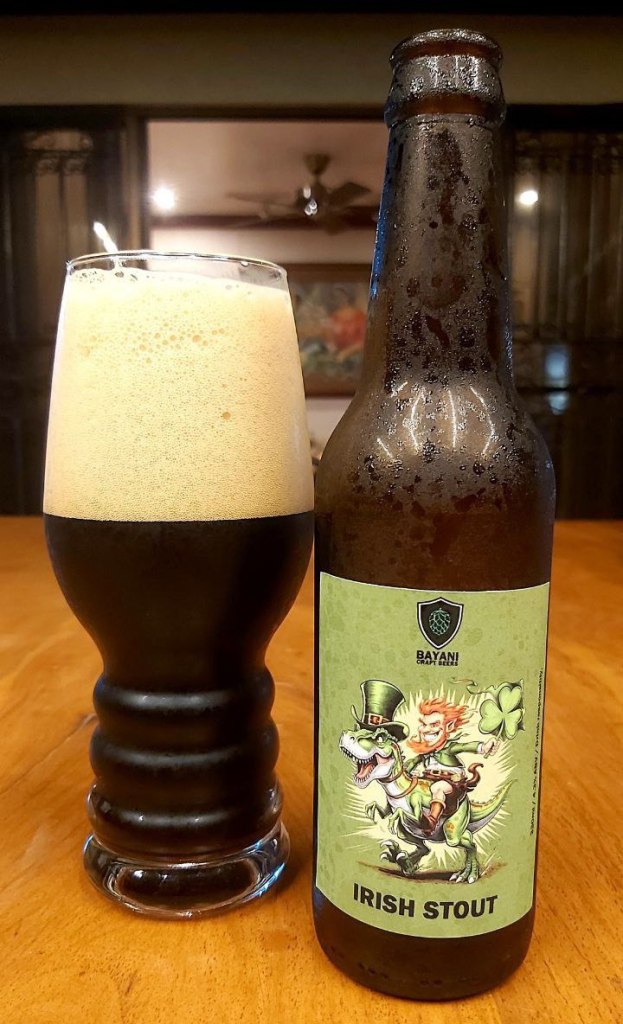
This style is pretty forgiving, so brewing a good batch isn’t too difficult. But if you want to make a great one, the details matter. Using fresh ingredients, keeping a close eye on fermentation, and minimizing oxidation during transfers will help bring out those rich malty, roasted coffee, and chocolate flavors.
Cheers!




 Over My Dad Body
Leave a comment