
Growing up as an only child, I often find myself baffled by my girls’ sibling dynamics. It’s funny how we picture siblings as built-in best friends, but the reality (especially in those early years) can be a lot messier.
Since they are still so young, they have plenty of time to figure things out, but I know you wish to see the best start possible. A little kindness and care from big sister to little sister wouldn’t hurt, right?
It’s completely normal for children to feel jealous when a new sibling arrives.
Sometimes, they show it by acting more ‘babyish’ like throwing tantrums, clinging to you more, or even asking for a bottle or milk right when you’re feeding the baby. It’s their way of saying, ‘Hey, don’t forget about me!’
Here are a few ways to help your child adjust to life with their new sibling.
Sibling Jealousy: An Age-Old Struggle
Negative behaviors in young children usually signal big emotions they don’t know how to handle yet.
In this case, the most likely culprit is classic jealousy. Something we all have to learn to manage, no matter our age. Helping your daughter put a name to what she’s feeling, reassuring her that it’s completely normal, and guiding her toward healthier ways to express it (like using words instead of throwing tantrums) can make a big difference.
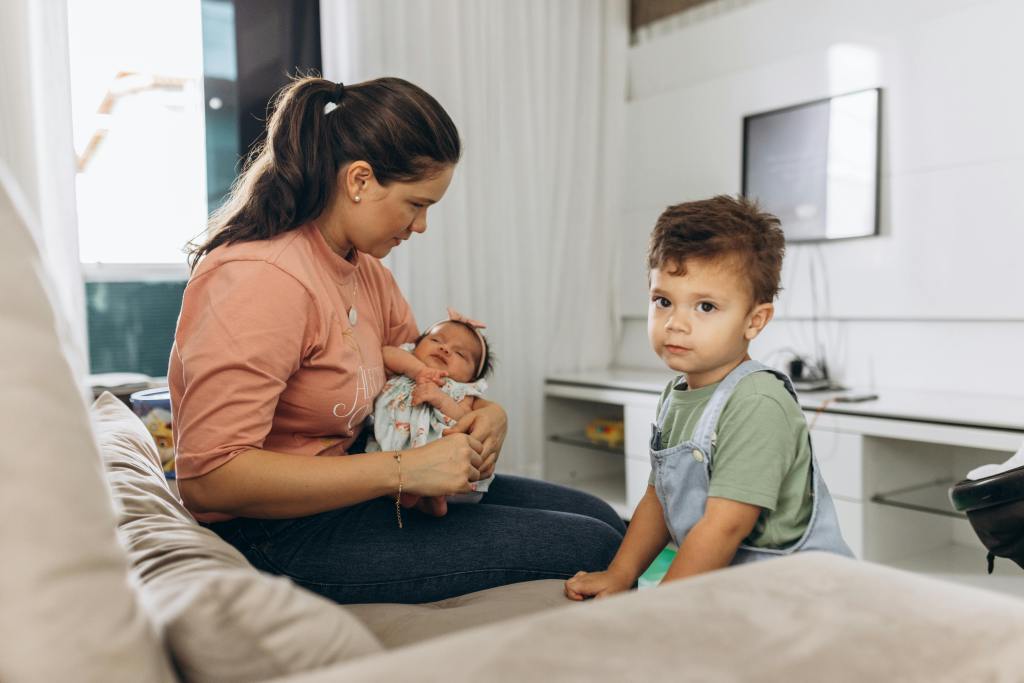
When she feels seen and understood, even for emotions that might be considered ‘bad,’ it can help take the edge off. And when those overwhelming feelings aren’t so intense anymore, her behavior will likely start to settle.
Losing the Spotlight
Focusing on smaller goals can help you make the most of your limited time and energy to give big sister more positive attention. Children crave one-on-one time with their parents at this age, so even small moments—like 30 minutes during the baby’s nap or a special trip to a café —can make a big difference in helping them feel seen and connected.
You and your partner can take turns, and letting your daughter have a say in when and where these special moments happen will make her feel even more valued. Strengthening your individual bond with her might be all it takes to ease some of the tension with her baby sister.
The Power of Attention
What really stands out is that our elder daughter’s challenging behaviors happen when we give attention to the baby. Of course, babies naturally need more attention than a 12-year-old, but it seems like our older daughter isn’t too happy about that, and she’s making it known!
At the same time, even if her actions are negative, they are still getting our attention. And as any parent knows, for kids, even negative attention is better than being ignored.
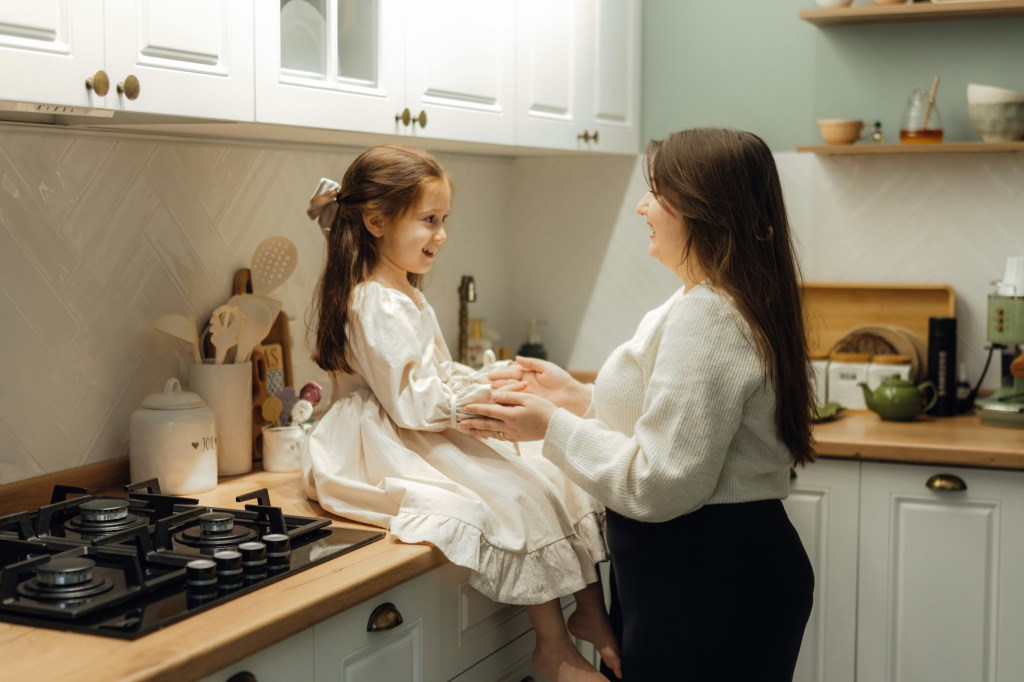
One of the best things you can do is to increase the positive attention your 12-year-old receives. I know that as a busy parent juggling work, a baby, and a preteen (who has her own big emotions and needs), finding extra time and energy isn’t easy. But setting clear goals can help.
You already know that you want her to care about her sibling, and you might also want to make sure she feels secure in your love, even if she’s not getting the same level of attention as before. Ultimately, you want to build a strong, connected relationship between them.
How to Help Big Sister Feel Special
Once you’ve strengthened your bond with your daughter through extra attention and connection (and helped her work through those big, tough emotions), she will likely be more open to embracing the positives of being a big sister.
You can also look for moments where she shines and call them out with specific praise: “Wow! Your sister was crying, but then you kept on hopping, and she laughed! You just made her feel better. She’s so lucky to have you as her big sister.”
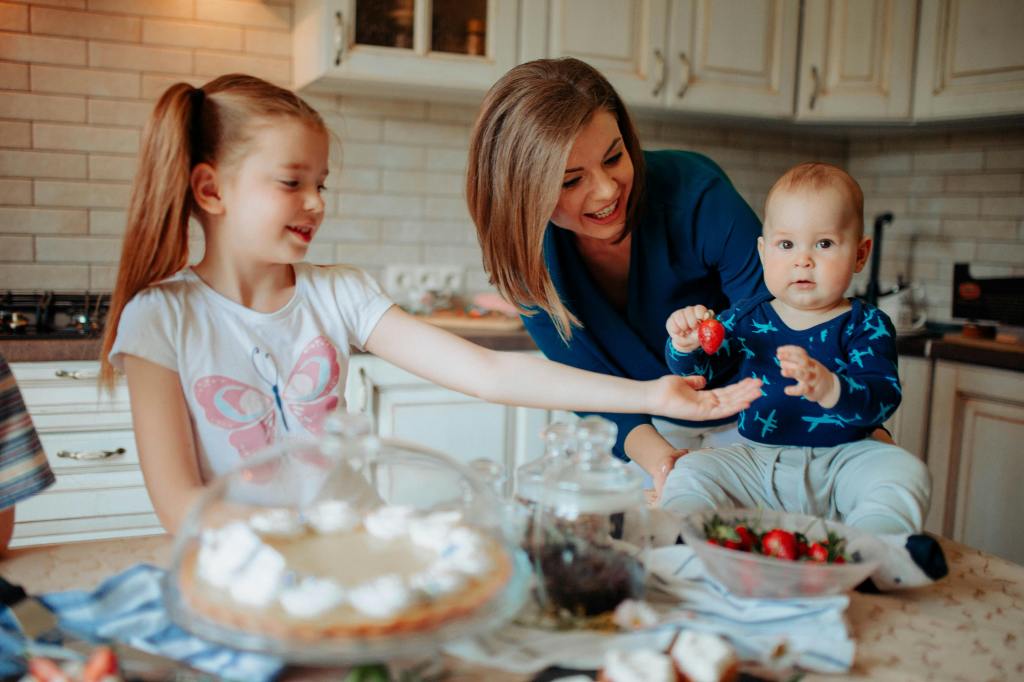
I often tell my daughter that her baby sister is her ‘best fan and biggest audience,’ which is so true; little siblings can be incredibly forgiving. Once you have tackled the attention and jealousy issues, she’ll probably be more open to seeing how much her baby sister looks up to her.
How to Help Your Child Manage Sibling Jealousy
It is entirely normal for older siblings to react this way when a new baby arrives. It’s just their way of showing frustration and figuring out where they fit in your life and the family.
Over time, those feelings of jealousy will fade. Even if your child seems independent and capable, they still need your love and attention just as much as before, maybe even more now. This is especially true for toddlers, who are still adjusting to not having your undivided attention and were, not too long ago, falling asleep in your lap or being fed by you.
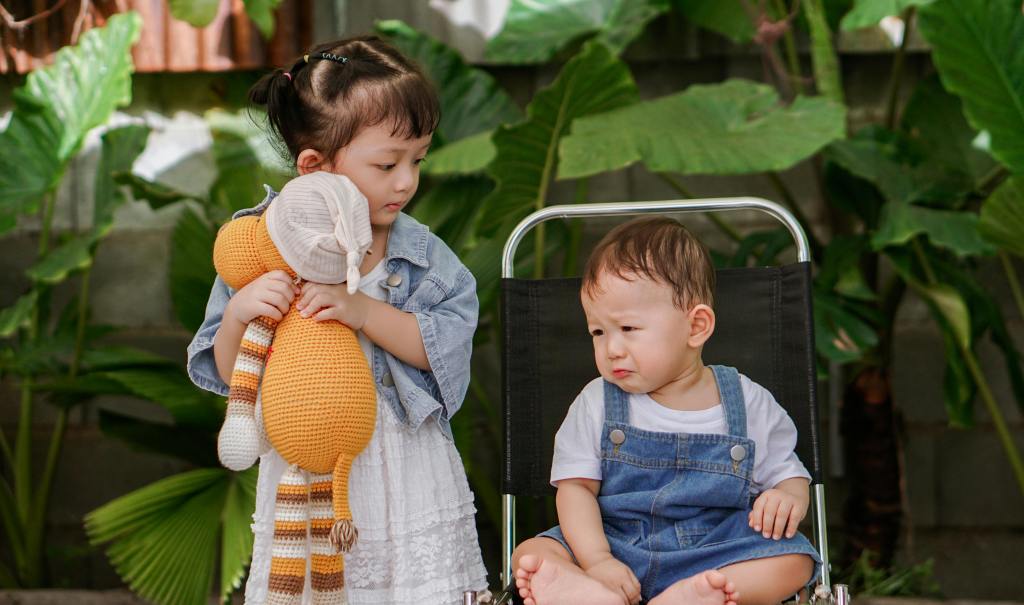
If you respond with patience and understanding, your child will start to feel secure again. They will realize that making room for a new family member doesn’t mean losing their place or getting less love from you.
No matter what, your oldest will need some time to adjust when their baby sibling arrives. Here’s how to help when they start feeling jealous or left out.
Make Them Feel Included
You can get your oldest involved in simple ways. Ask them to hand you the baby’s bottle, keep you company while you change a diaper, or even try singing to their sibling in the back seat if they are fussy in the car.
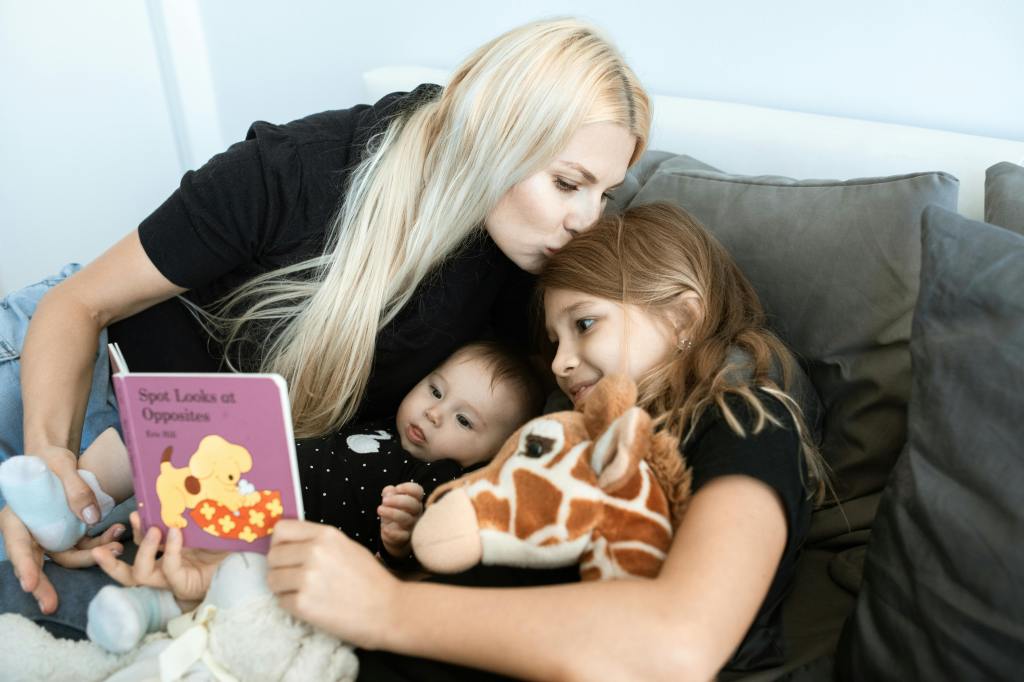
Children love having little jobs, and it helps them feel included. Let your older child be involved in their baby sibling’s life by giving them small but meaningful tasks, like helping with diaper changes or reading a story.
If friends and family are bringing gifts for the new baby, consider having a few small gifts for your older child, too, so they don’t feel left out. You could even put together a little box of treats, fun activities, books, or toys to make them feel special.
Just be sure to guide them along the way. Remember that children don’t always see situations as adults do, and it’s important not to expect too much from them.
Make Your Oldest Priority, Too
Even though your instinct might be to tend to your newborn first, occasionally putting your baby second can make a big difference.
Try ‘telling’ the baby they’ll have to wait for a diaper change while you grab a snack for their older sibling. Or set the baby down on the playpen while you dive into a quick video game with their big sister.
Make it a point to spend one-on-one time with your oldest regularly so they don’t feel like they have to compete for your attention. Little moments that show them they are still your number one—right here, right now—can mean the world.
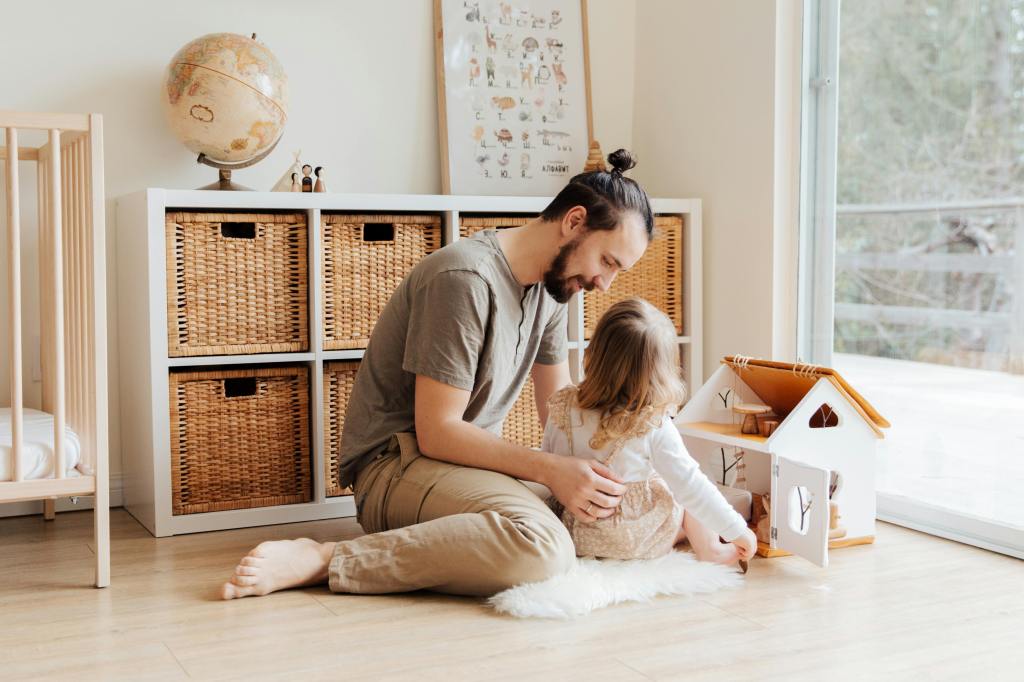
As parents, know that nothing reassures your older child more than spending time with just you. If you’re a breastfeeding Mom and can’t be away for long, even a quick trip to the grocery or park can make them feel like they have your full attention again.
Let Your Older Child Know Their Feelings Matter
The arrival of a new sibling can be a big adjustment for your older child. After all, they are used to having you all to themselves, so it’s natural for them to feel a little unsettled.
However, making them feel included and acknowledging their feelings can go a long way.
Simple comments like, “Yeah, babies do cry a lot, don’t they?” or “I bet there are times you wish it was just us hanging out,” show them that you understand what they’re going through.
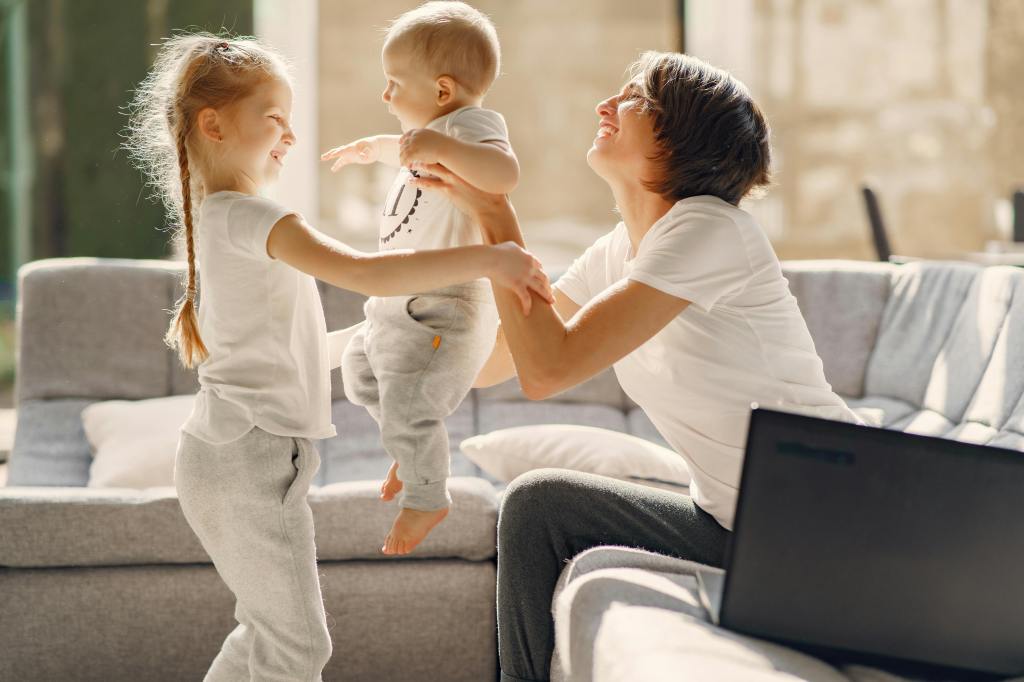
And no matter how exhausted or frustrated you might be, avoid comparing them to their baby sibling. Saying things like “Why can’t you be more like the baby?” isn’t helpful and can make them feel unimportant. Instead, focus on celebrating them for who they are.
When parents create an open and supportive space for their children to express themselves, it helps them handle stress better and build resilience for the future.
Show Them How Much the Baby Loves Them
Saying things like “Look how much they love you!” or “They can’t stop watching how awesome you are when you draw!” helps your older child feel like an important part of their sibling’s world. When children feel valued and connected, they handle change more easily.
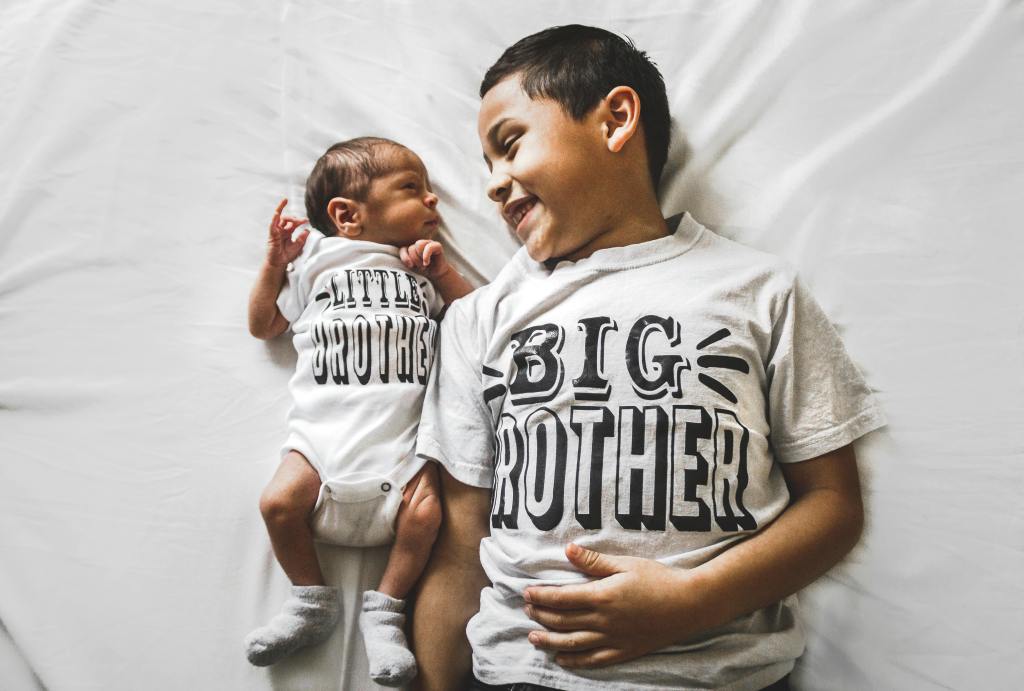
Keep in mind that warm, supportive parenting builds their confidence and helps them manage stress in a healthy way.
Take a Positive Approach
When young children feel jealous of a new sibling, it can seem like a phase that will never end. But it will—just like all the others.
As parents, we can’t force our children to automatically bond with a new sibling, but we can create the right environment for a loving, close relationship. That starts with nurturing our individual bond with each child, helping them navigate big emotions with reassurance, and making sure they know they are loved—difficult feelings and all.
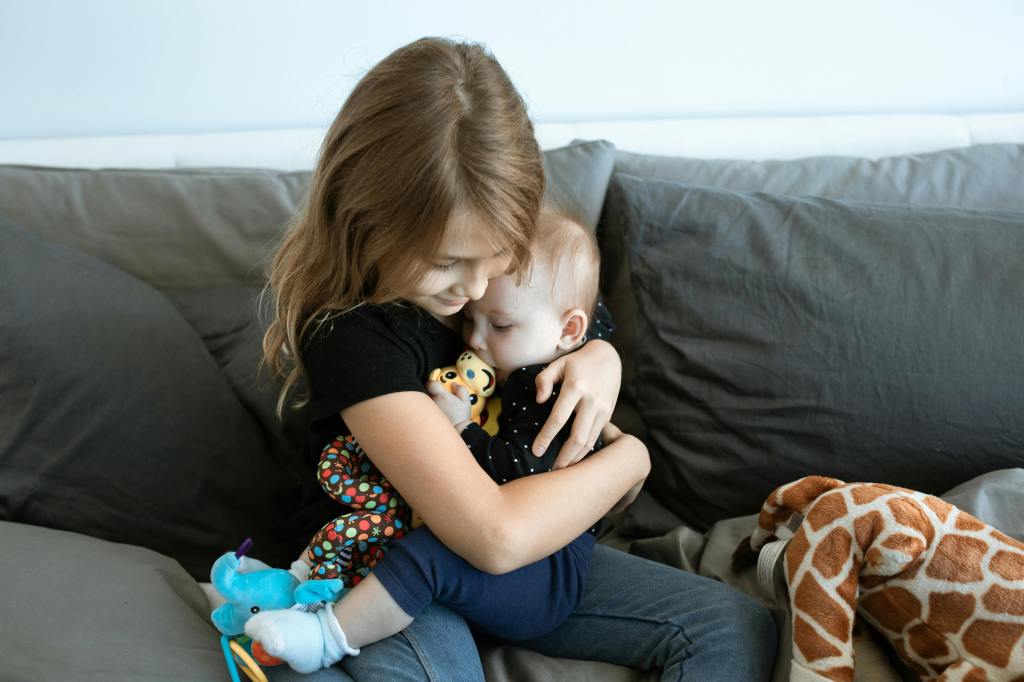
Most importantly, recognizing their unique strengths and role in the family builds their confidence and emotional security. And with that, they can be the best sibling they can be… at least most of the time.


 Over My Dad Body
Leave a comment