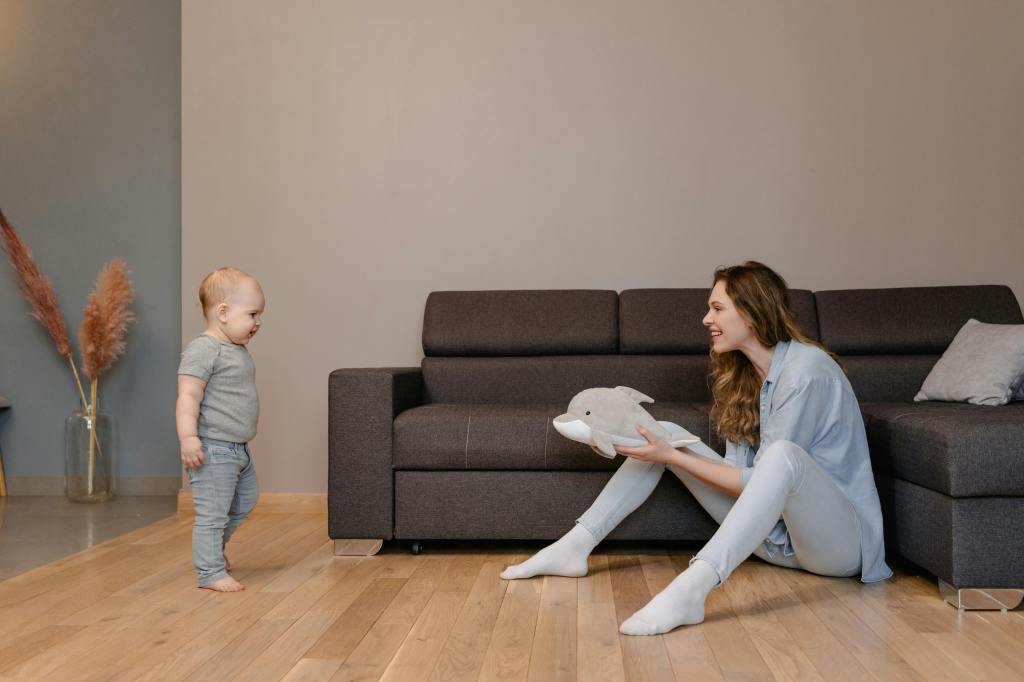
I have already soaked in those unforgettable firsts — that sweet little smile, those soft coos that melt your heart.
Tummy time? My daughter nailed that ages ago, and now her head control is rock solid. It wasn’t long before she started sitting up, scooting around, crawling, and even pulling herself to stand.
The first year flies by in a blur of milestones. As that big first birthday approaches, you might catch your child “cruising” along furniture and maybe, just maybe, taking those first wobbly steps.
Learning to walk isn’t just a big deal for your baby; it’s huge for you, too. Walking opens up a whole new world of exploration for them and a new chapter of parenting for you.
From pulling up to standing to those first bold steps, your little one works hard to coordinate all the major muscles in their arms, back, legs, and feet. It’s an incredible full-body workout, and every wobbly attempt builds strength, balance, and confidence.
Is Your Baby About to Start Walking? Here’s What to Look for:
Starts to Pull Themselves Up. When your child starts pulling themselves up to stand using their hands or steady furniture, they build strength in their legs and get ready for those first steps. As they get stronger, you’ll notice a more advanced technique: pulling up through a half-kneeling position.
Climbing Up and Over Furniture. As your child’s core and limbs strengthen, you might notice them climbing onto furniture or crawling over obstacles. These little adventures are actually big milestones, showing that they are building the muscle strength and balance needed to start walking on their own.
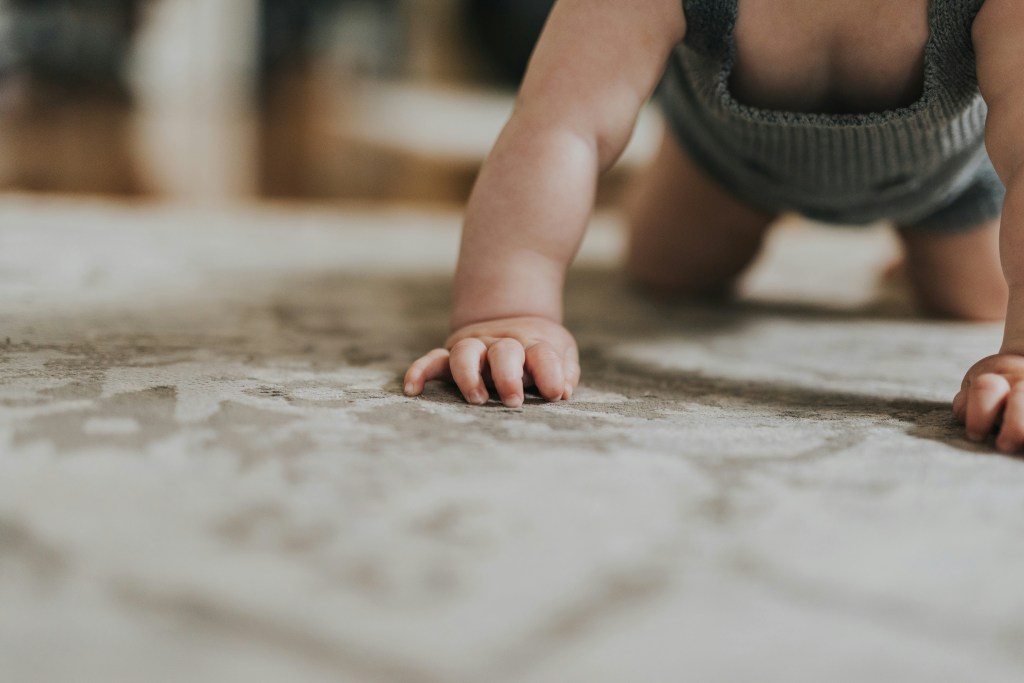
Cruising. Cruising is when your child walks while holding onto furniture for support. It’s a great way for them to practice shifting their weight and moving forward, all while staying in a safe and controlled environment.
Walks With Support. Having the extra support of a push toy or holding a parent’s hand gives kids the stability they need to build confidence for those first solo steps. Just keep an eye out. Some little ones might get a bit too comfortable with the help, so try to offer only as much support as they need to keep moving forward on their own.
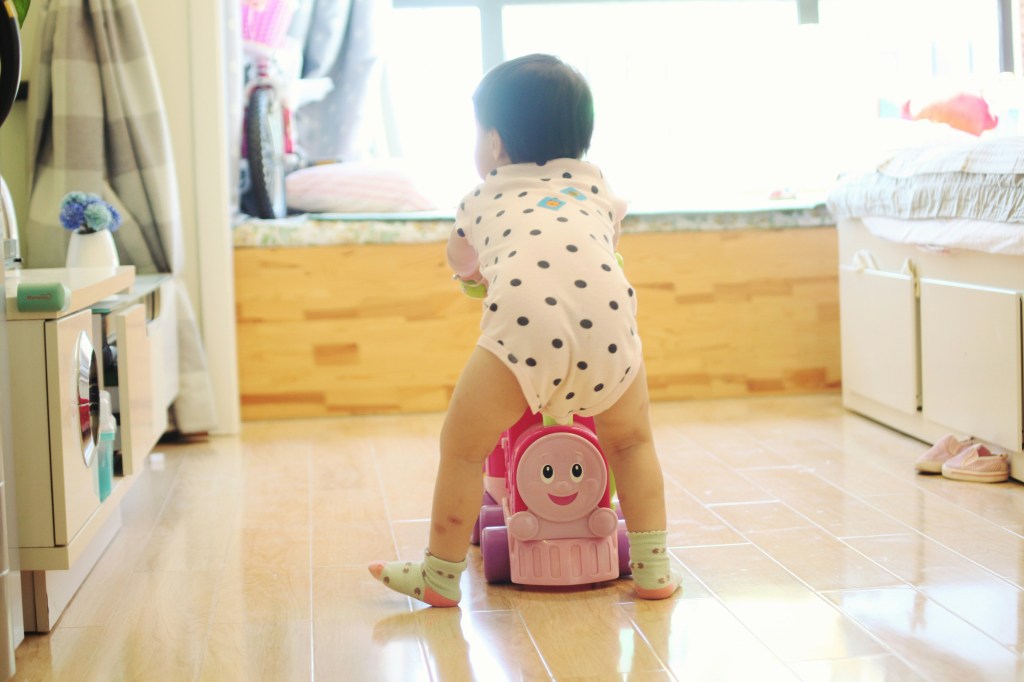
Stands Independently. Kids start letting go of objects while standing once they feel stable and confident enough to do so. The longer they can stand on their own, the more their confidence grows. It’s an extra win if they can get into or out of that standing position all by themselves, showing real control and balance.
How to Help Your Baby Learn to Walk
Most babies start pulling themselves up to stand somewhere between 9 and 12 months. They will grab onto anything within reach—whether it’s the couch, a chair, or even your jean-clad leg.
Standing might take a bit longer for some little ones, and that’s perfectly okay. Here’s how you can encourage them to build the confidence to try.
Baby-proof the House
Okay, first things first—set your space up for success:
- Clear the floors of any clutter that could turn into a tripping hazard.
- Move any fragile decorations out of reach (unless you’re cool with them becoming crash-test subjects).
- Cover electrical outlets and tuck away any loose cords to keep your little one’s hands safe.
If babyproofing your entire house feels overwhelming (and let’s be honest, it often does), try closing off rooms that are especially tricky to secure. You can also create a safe zone by gating off a completely baby-friendly area free from hazards.
Even if your little one isn’t walking just yet, encouraging their mobility means they will be into everything within reach. Babyproofing helps keep them safe from injuries and gives you a little extra peace of mind as they start to explore.
Encourage Your Baby to Move and Explore
Encourage your child to move through different positions as much as possible—lying on the floor, sitting, standing, kneeling, and so on. This helps them figure out how to move around and play independently instead of waiting for toys to come to them.
Plus, it strengthens their core and leg muscles, which are essential for walking.
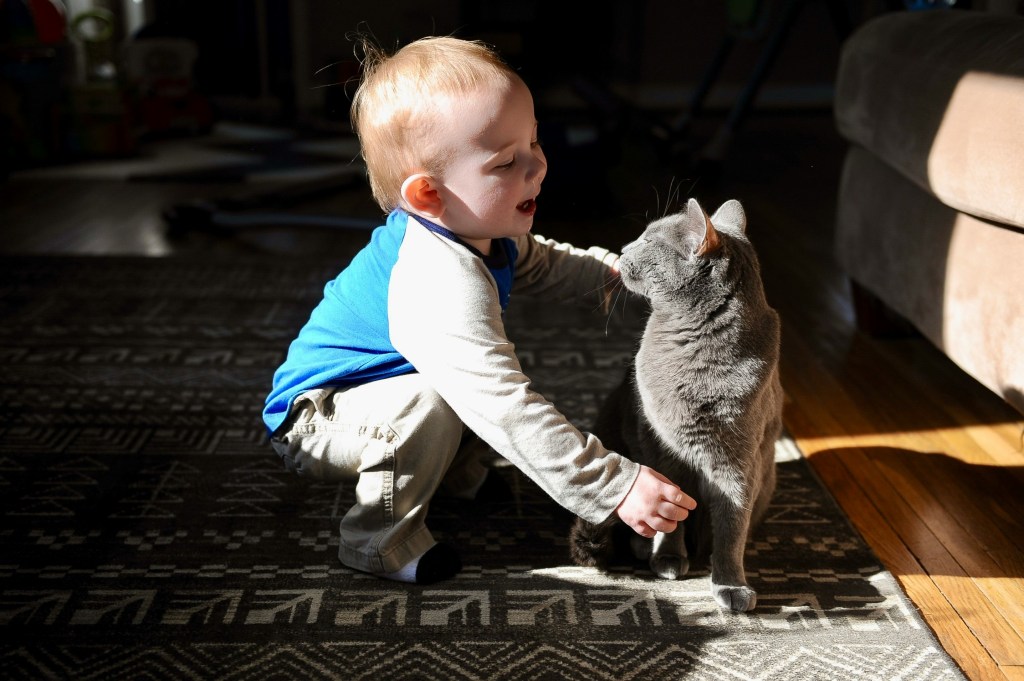
Some of the best ways to help your little one transition from the floor to standing are through squatting or moving into a half-kneeling (lunge) position. These movements engage multiple muscle groups and help improve balance, which is key for those first independent steps.
You can even turn it into a game by doing the movements alongside your child. It’s a fun way to bond and remind them how much effort it takes for them. We all know how tough squats and lunges can be, so just imagine how strong your little one will get by doing them every time they stand up during playtime.
Let Them Play Barefoot
When your baby is learning to walk, it’s best to skip the shoes, at least for now. Going barefoot lets them feel the floor beneath their feet and experience different textures, which help with stability.
Babies actually gather a lot of information through their feet while learning to walk. They can sense the difference between hardwood, carpet, grass, and other surfaces, and their brain adjusts their muscles and joints to help them move accordingly.
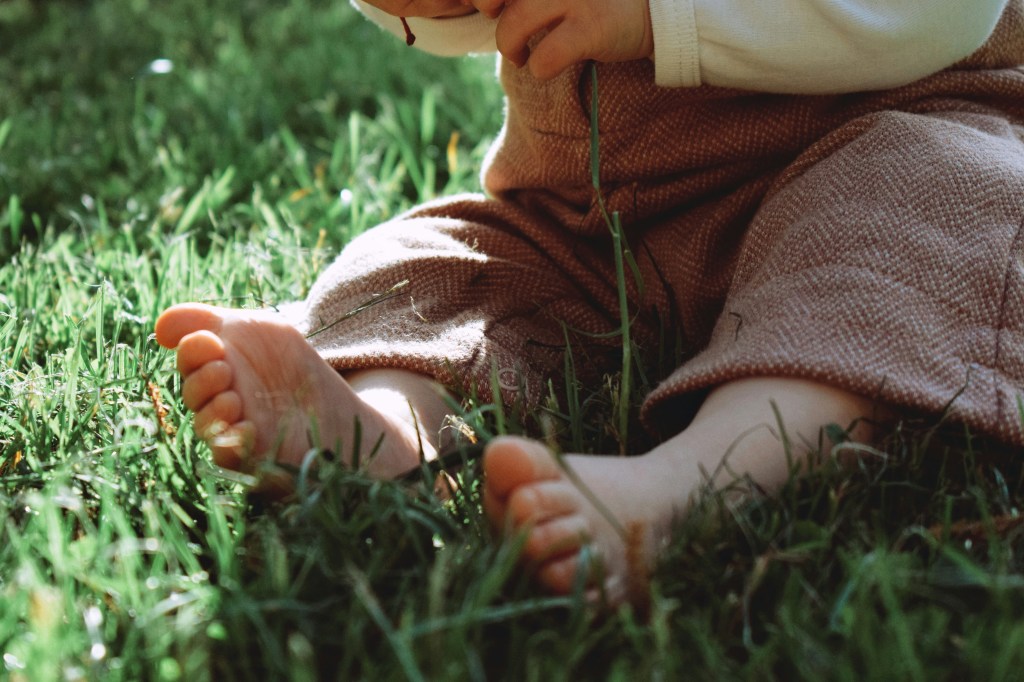
Being barefoot also strengthens the tiny muscles in their feet, which play a significant role in developing strong arches and improving balance over time. These small adjustments help your little one walk more confidently and comfortably as they grow.
Supported Steps
Walking with support can boost your baby’s confidence as they learn to take those first steps. If you’re guiding them around the living room, try supporting their trunk instead of holding their hands.
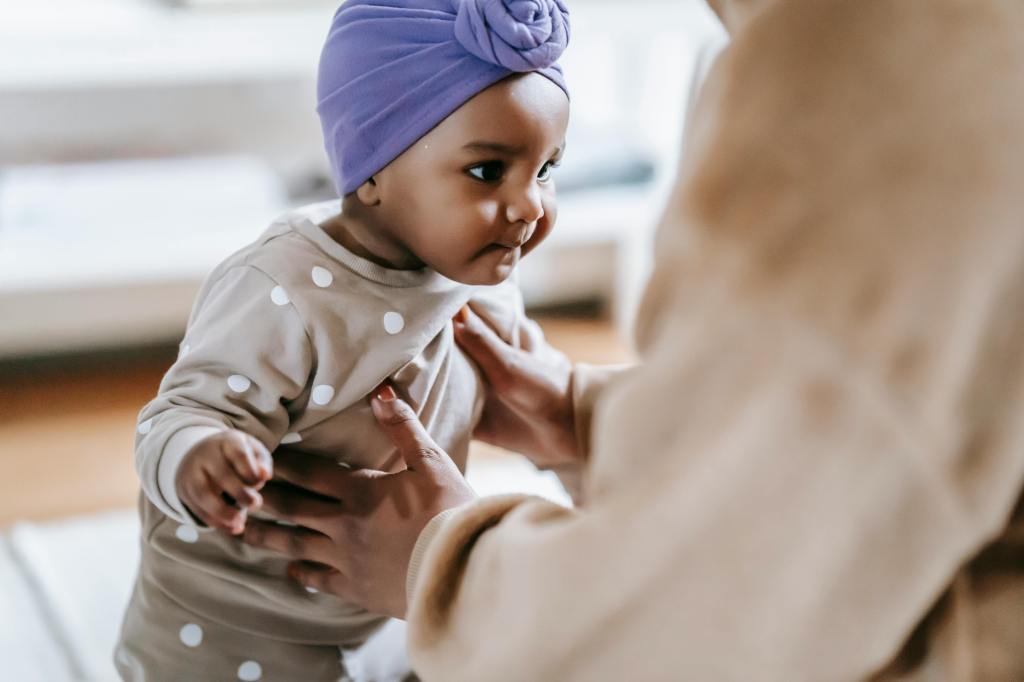
Supporting their trunk encourages a more natural walking pattern, preventing them from leaning forward onto their toes. Babies need to distribute their weight across their whole foot — including the heel — to build a strong, balanced walking motion.
Holding their hands might seem helpful, but it can cause them to tilt forward and put too much weight on their toes. Let your little ones stay in control of their movements, even if their steps are slow at first.
Remember that it’s all part of helping them build confidence and develop proper balance at their own pace. As your baby grows more confident and stable on their feet, try gradually giving them less support so they can practice balancing on their own.
You can ease into this step by step:
- Start by loosening your grip slightly.
- Then, offer just one hand for support instead of two.
- Eventually, let them hold onto just a finger for a little extra reassurance.
These small changes help your little one build balance and independence while still feeling safe and supported.
Build Strength by Reaching Up High and Down Low
While walking is mostly about moving forward, it is just as important for your baby to practice moving up and down. When they reach for things, their legs lift, balance, and support their body as they stretch.
Try placing your child’s toys at different heights to encourage them to transition from the floor to standing or kneeling positions. This helps them explore their environment in new ways and builds strength and coordination as they figure out how to move and play.

You can also make a game out of it by moving toys around the room throughout the day. Watch as your little one problem-solves and experiments with new ways to reach them! Another fun idea is having them grab toys from overhead and bring them to you—this encourages letting go of upper body support, rotating their trunk, balancing, and maybe even sneaking in a few unassisted steps without them even realizing it.
Baby, Let’s Cruise
Cruising happens when your baby starts using furniture, walls, or even you for support as they move around. It’s their way of practicing balance and learning to shift their weight from one object to the next.
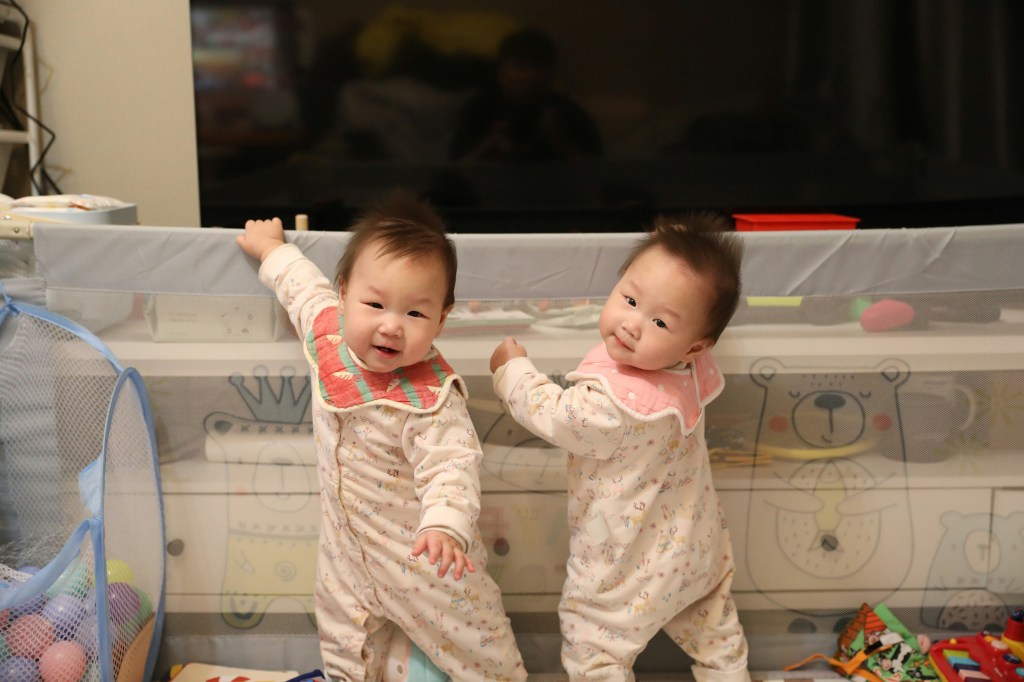
A great spot for your little one to start cruising is along the couch. Place their favorite toy on the couch and gently move it from side to side. This encourages them to follow along, taking those first steps while holding on for support.
At first, babies usually cruise sideways, keeping one or both hands on the furniture. You can help them practice by using toys to catch their attention and motivate them to take a few extra steps. As they gain confidence, these little cruising adventures will last longer, helping them build stamina and strength on their feet.
To help them progress even more, set up stable furniture or objects close together so they can move from one to the next. Before long, they’ll start relying less on their hands and might even forget they needed the extra support in the first place!
Push and Pull Toys
Mini shopping carts, baby strollers, and other push toys are great tools to help your little one practice supported walking while on the move.
When picking out a push toy, make sure it’s sturdy and offers enough resistance for your type of flooring. Some toys glide better on carpets, while others work best on hardwood. Checking reviews can help you find the right fit for your home.
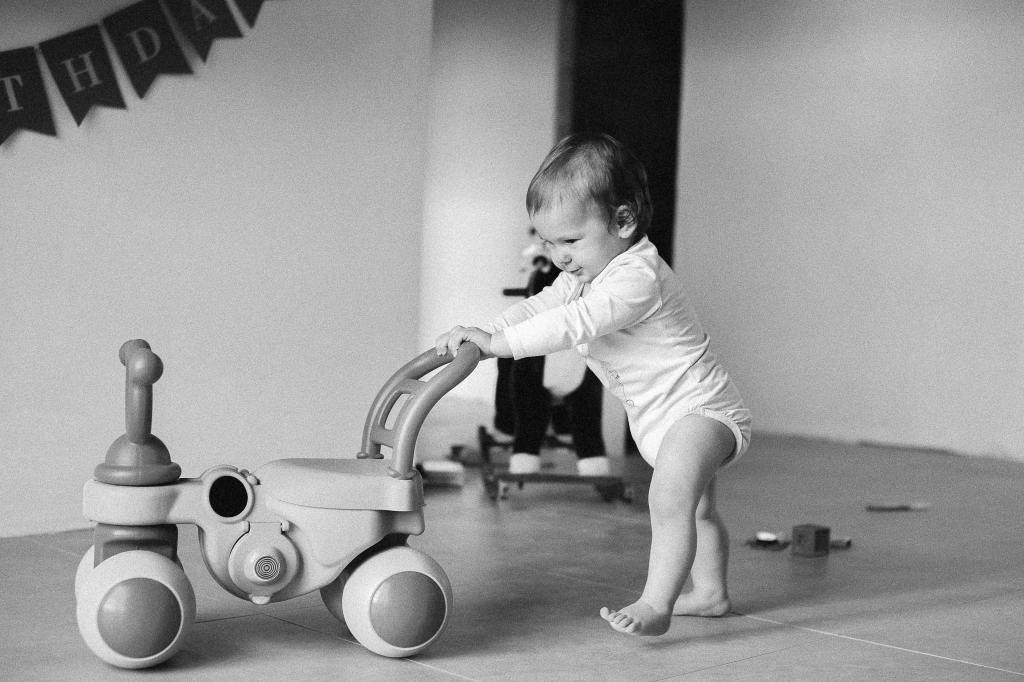
Keep in mind that push toys are powered by your baby, and some may move faster than others. If that’s a concern, look for one that allows you to add weight to slow it down and give your little one more control.
Push toys are a great way for babies to gain a little independence while still getting the support they need as they learn to walk. Plus, many of these toys have fun features that encourage extra movement, like squatting and reaching.
You can even turn it into a game by having your baby collect toys or items and place them in their cart or stroller—an easy, playful way to boost their balance and coordination.
Push and pull toys can be a big help for your baby by:
- Teaching them how to control the muscles in their arms and legs
- Helping them practice balance and coordination
- Building their spatial awareness—helping them understand where they are in relation to their surroundings
- Sparking their imagination as they play pretend, like using the toy as a lawnmower or vacuum cleaner
Help Them Climb Stairs
If the floor starts feeling a little too familiar, it might be time to take the adventure to the stairs. Just be sure to stay close and supervise every step of the way. Encourage your baby to climb slowly, using their hands, knees, and feet—it’s a full-body workout that helps strengthen all their major muscles.
No stairs at home? No problem.
A ramp can work just as well! You can find foam ramps designed for various gross motor activities, often for under $100.
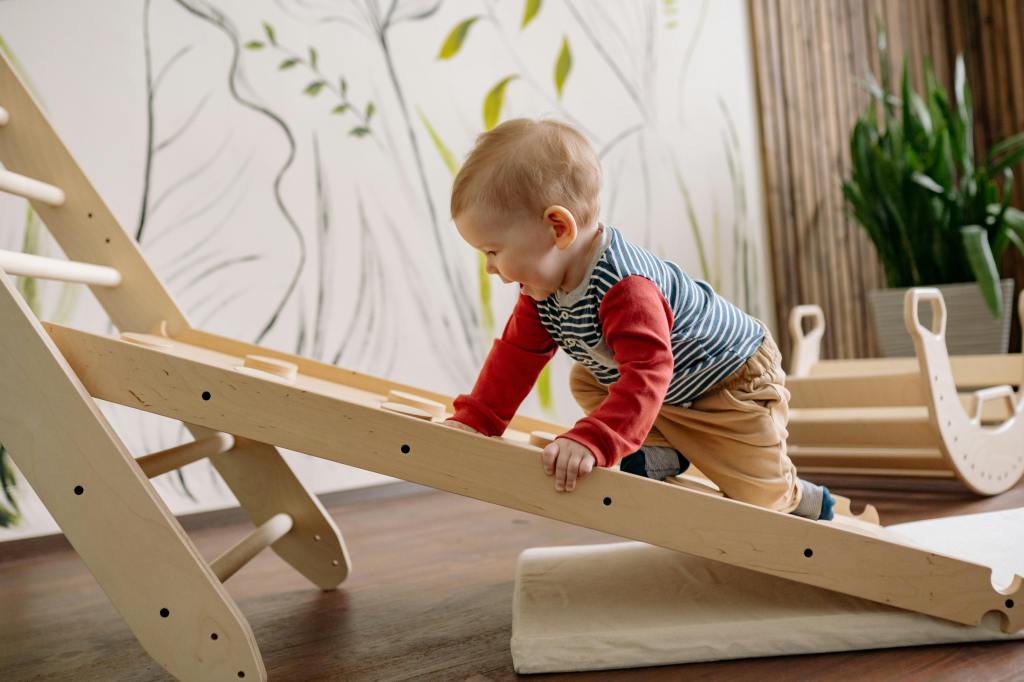
Climbing stairs helps your baby build strength in their trunk and leg muscles. It also promotes something called lower body dissociation—a fancy way of saying your baby is learning how to move their upper and lower body independently. This skill is key for more advanced movements like walking, running, and even dancing later on.
Give Your Child a Toy That Requires Both Hands to Hold
This simple trick encourages your child to move around without relying on their arms for support.
Try giving your little one a toy that’s big or heavy enough to require both hands (think a large stuffed animal or a beach ball.) You get the idea. Holding the toy keeps their arms busy, discouraging them from reaching for support and engaging more core and leg muscles as they move.
And isn’t that the goal? Helping your child move independently and confidently, staying upright without even thinking about it.
Get Your Baby Up and Moving
Ready or not, your baby will take their first steps before you know it.
Remember that there are many gentle ways to encourage their movement and help them build the muscles they need to support this exciting new way of getting around. However, this developmental stage can be stressful and exhausting for a parent.
Hopefully, these tips will ease some of that pressure. And don’t forget to soak in the little moments along the way!
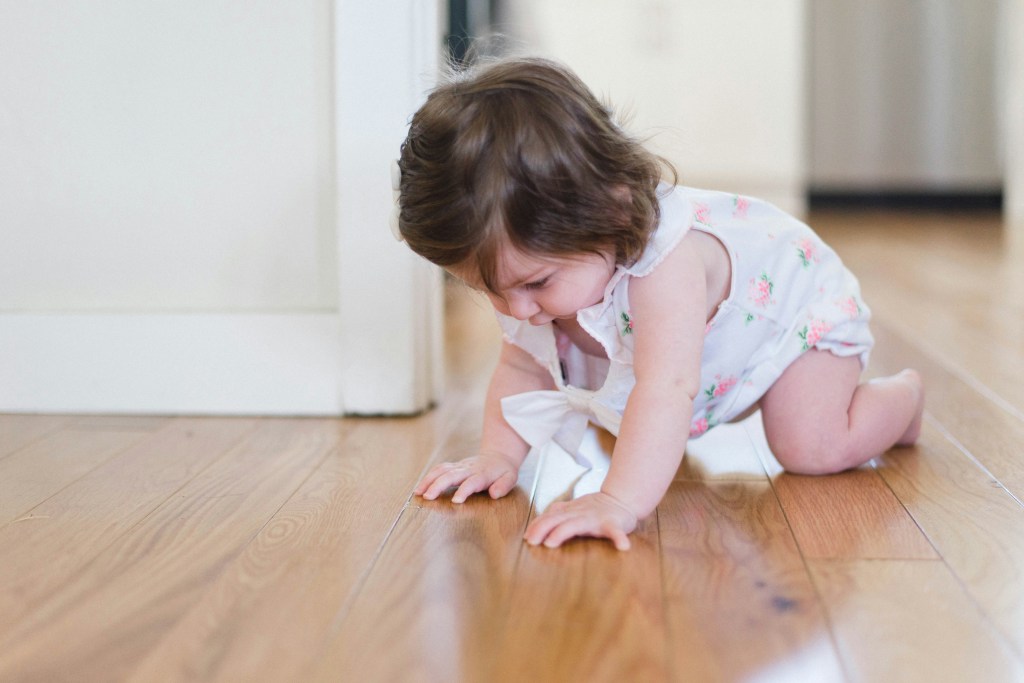
If you are ever concerned about your baby’s progress, don’t hesitate to reach out to your pediatrician. Just remember, every child moves at their own pace. While some start walking early, others take their time.
But, with patience, practice, and a little encouragement, your baby will take their first steps when they are ready.

 Over My Dad Body
Leave a comment