
The first full week of January is here, and it’s back to business as usual. For some, that’s a relief—after all, the holiday season, as joyful as it is, can be exhausting. It is a time filled with financial strain, emotional ups and downs, and physical demands.
For others, though, the transition back to normal life and the return to work can feel like a letdown, bringing on a case of the post-holiday blues.
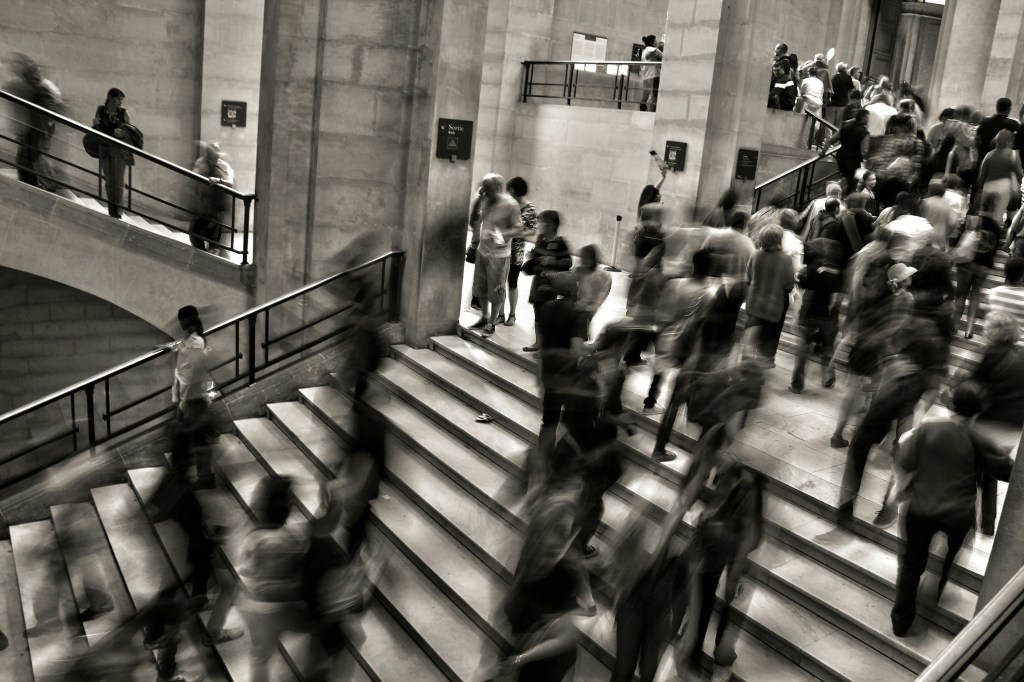
No doubt, the holiday season (from Halloween to New Year’s) can be a time of joy and relaxation for many. But when the celebrations come to an end, it’s not uncommon for feelings of sadness or loneliness to set in.
Here’s what you should know about the post-holiday blues and some tips to help you cope.
Why Do We Feel Down After the Holidays?
For many of us, the holidays are one of the few times regular life gets a major shake-up (unless you’ve got a big vacation planned later in the year.)
Even if your holidays weren’t all that merry and bright, your brain has a way of making everyday life seem duller and harder to return to. That contrast can make getting back to the routine feel more stressful and depressing than it really is.
Your Brain is Playing Tricks on You
Research suggests that feeling the post-holiday blues is actually a sign of healthy psychological functioning. It’s part of how our brains create illusions, like the belief that bad things are more likely to happen to others than us. Interestingly, this ability to fool ourselves is a hallmark of good mental health.
Whether or not we truly enjoyed the holidays, our brain is wired to convince us that we did have a blast. This process comes with an emotional cost: after a well-enjoyed break, we naturally experience a comedown as we return to our baseline level of well-being.
Essentially, the emotional toll of a disappointing holiday season isn’t all that different from the one we pay after an amazing one.

We Feel Emotionally Drained
The emotional toll of managing tricky situations and relationships during the holidays can greatly contribute to post-holiday blues.
Research shows that pretending to be happy and putting on a pleasant face can be exhausting. Psychotherapists suggest that we “gear up” emotionally during the holiday season to cope with stress, challenging emotions, and difficult situations. No wonder we feel drained once the holidays are over.
Diet Shake-Up Also Plays A Role

The sugar and alcohol-heavy diets many of us rely on during the holidays can also contribute to feeling down. We all know alcohol is a depressant, and research has shown that junk food can also play a role in depression. So, after weeks of overindulging, it is no surprise that we might not be feeling our best once the festivities are over.
What Are Post-Holiday Blues?
Post-holiday blues are those lingering feelings of sadness, loneliness, fatigue, or even disappointment that can creep in after the holidays. You might also feel sluggish, mentally drained, or dread the long, cold months ahead.
During the holidays, many of us pour our energy into decorating, planning, and finding the perfect gifts. Once it’s all over, it is easy to feel a bit lost or empty without something to keep us busy, excited, and focused.
Even though post-holiday blues haven’t been studied extensively, they are a common experience. It’s important to remember that you are not alone. Talking with friends and family about how you feel can be a great reminder that many people go through the same thing.
What Triggers the Post-Holiday Blues?
The reasons behind the post-holiday blues differ from person to person. For some, the holidays themselves can be tough. Whether it’s dealing with your in-laws’ expectations, memories of loved ones who aren’t around anymore, strained family relationships, or the financial stress of it all.
On the flip side, those who love the holiday season might experience a surge of feel-good hormones like dopamine and serotonin while spending time with friends and family. However, as the holiday festivities end, so does that mood boost.

The sudden shift from a festive whirlwind to everyday life can feel jarring and leave many people feeling off balance. Add in the exhaustion from hosting, traveling, or simply stepping out of your usual routine, and it’s no surprise these feelings can hit hard.
To top it off, the holidays coincide with the colder months, when seasonal affective disorder (SAD) tends to peak. Less daylight, less physical activity, and more isolation can all contribute to that post-holiday slump.
Post-Holiday Blues: What It Feels Like?
Often referred to as “post-vacation syndrome,” the post-holiday blues are all about returning to our usual routine. While it is usually not a sign of serious depression, the emotions tied to the post-holiday slump can vary quite a bit.
Feeling down after all the excitement. That feeling of being let down after the holidays could just be your way of recovering from all the intense positive emotions. For instance, you may have felt pure joy and happiness reconnecting with friends and family.

Reuniting with relatives you haven’t seen much of during the year might have been especially heartwarming. It might feel surprising, but feeling a bit down as your emotions settle and readjust is normal.
That empty feeling. You might be wondering why you’re feeling empty. There are a few reasons for this, with exhaustion being a big one.
The holiday season is often a whirlwind. On top of decorating and gift shopping, you might have taken on extra responsibilities like cooking or volunteering at your local nonprofit. All that can leave you feeling drained, and it’s no surprise that emptiness sets in afterward.
Too much on your plate. Another big reason for the post-holiday blues is stress. After all that excitement, returning to reality often means catching up on even more tasks, and the stress keeps piling up. While you might have enjoyed the holidays, it disrupted your routine, and you probably didn’t get as much rest as you needed.
Coping with loss. If you were once close to your family but aren’t anymore, it is natural to feel disappointed and experience a sense of loss. Emotions tend to be stronger during and after the holidays, so feeling these things more deeply is normal. Also, if you have recently lost a loved one, sadness and grief can weigh heavily during this time.
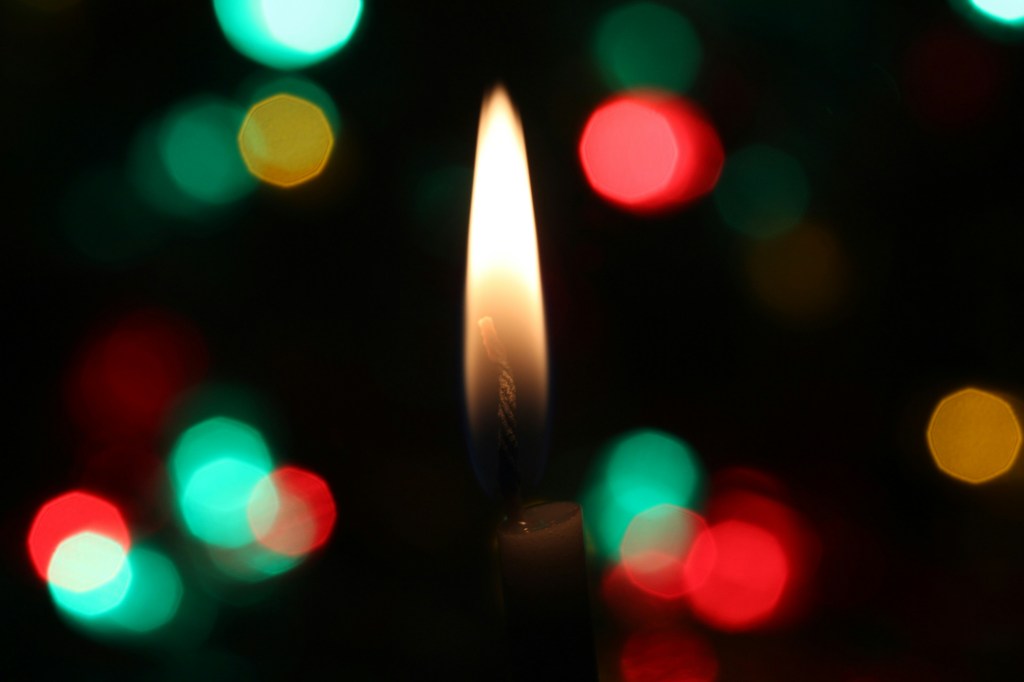
Lonely after the holidays. On the flip side, the holidays might have felt especially lonely for you. Maybe you had to work long hours, couldn’t afford to travel to visit family, or chose to spend the season alone.
If you feel lonely during the holidays or afterward, psychologists recommend focusing on gratitude and being gentle with yourself. Small acts of kindness toward yourself can help ease those feelings and create a more positive outlook.
How to Overcome Your Post-Holiday Blues?
Shaking off the post-holiday blues can take some time, but you can do plenty of simple things to start feeling better and embrace the New Year.
Here are a few ideas to help you get out of that post-holiday slump:
Recognize Your Feelings Without Criticizing Yourself
Acknowledging and accepting your feelings can be a powerful step toward managing tough emotions in a healthy way. Give yourself permission to feel what comes up without judging yourself for it. Saying your feelings out loud or writing them down can help you process and validate them.
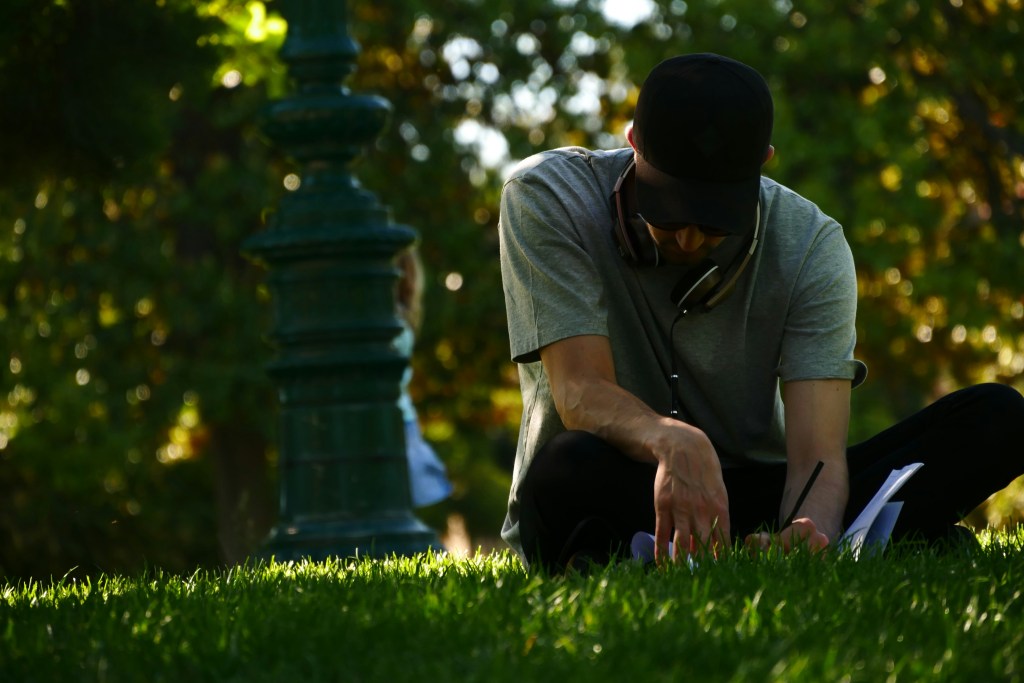
Here are a few examples:
“I feel sad about returning to full-time work because it means less time with my loved ones.”
“I feel stressed about the holidays ending because I’ll have to juggle child care, school responsibilities, and work again.”
“I feel worried that the peace I feel now will be replaced with anxiety and being overwhelmed when I check my email.”
If difficult feelings surface or you start feeling overwhelmed about returning to work after the holidays, take a moment to pause and breathe. Name what you feel, and remind yourself that this reaction is normal and valid. With time, these feelings will likely ease.
Take It Easy and Be Good to Yourself
Good sleep, regular exercise, and eating healthy are the basics for lifting your mood and managing depression, according to experts. But these habits often take a back seat during the holiday season, with late-night celebrations, sugary treats, and endless to-do lists.

If you have been feeling off, making these a regular, non-negotiable part of your routine again is a great way to start feeling like yourself.
Set Aside Time for Fun
Spending time with family and friends is key to feeling good. But now that the holiday parties are over, an empty calendar can feel a little depressing. Filling your schedule with activities you enjoy gives you something to look forward to and helps avoid that post-holiday slump.
Watch funny movies—humor can work wonders in reducing sadness. You can also try mindfulness or meditation to help calm your mind or practice deep breathing exercises to center yourself. Yoga is another great option for both physical and mental relaxation, and progressive muscle relaxation can help ease tension in your body while promoting a sense of calm.

While it is tempting to pull back when you are feeling low, making an effort to connect with friends and loved ones—even if it’s the last thing you feel like doing—can give you the pick-me-up you need.
Be Kind to Yourself and Give It Time
The post-holiday blues won’t last forever, so give yourself a little space in the meantime. It is okay to feel a bit off—don’t be too hard on yourself. Take the time you need to get back on your feet.
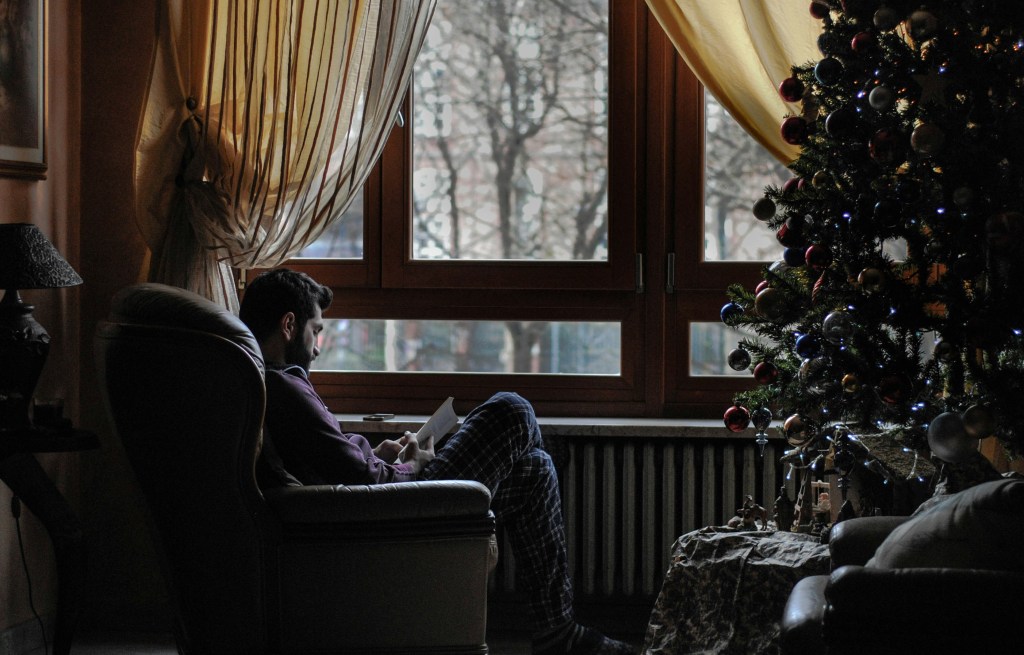
Give yourself some extra breathing room. Whether it’s bringing down the decors, sorting through gifts, or just catching up on life, allow yourself an extra day or two as buffer time before diving back into your usual routine. Keep in mind that a bit of catch-up time can make all the difference.
Stay Connected with Friends and Family
If the holidays have left you craving for more meaning, it might be time to reconnect with the people who matter most. Reach out to old friends or family members, share a meal, have a meaningful conversation, and let those connections help ground you.

Remember, connection is a vital part of life, and the holidays often highlight how deeply we value being with loved ones. Afterward, keeping that sense of connection alive is important, even if it looks a little different from the holiday gatherings.
If you are feeling disconnected, pause and ask yourself: has the connection faded, or is it just a little different in everyday life?
Another way to boost your mood is by stepping back from social media. Instead, pick up the phone or meet someone in person. It is a more genuine way to connect and feel present.
Look for Things to Get Excited About
Mark your calendar with something fun to look forward to. Instead of trudging through January, plan a get-together with friends—whether it’s playing sports, visiting a museum, or enjoying a special lunch.
It doesn’t have to cost much, especially since many of us are watching our wallets after the holiday spending.
The event doesn’t need to happen immediately, either. The week after the holidays is often packed with catching up on work and tackling household tasks. Scheduling something a few weeks out might be perfect. It’s a little reminder that the fun isn’t over just because the holidays are.
Take Time to Appreciate the Things You Have
The holiday season is a great time to focus on gratitude and embrace positive thoughts that can uplift your mood and even shape your actions for the better.
Once the celebrations are over, you can keep building on those habits of gratitude and mindfulness. While taking a break from everyday life during the holidays is wonderful, there is also something powerful about pausing to reflect on and appreciate the life you have created.

Also, research shows that practicing gratitude and staying mindful can help reduce stress and feelings of depression while fostering a stronger sense of well-being.
Don’t Just Slip Back Into Your Same Old Routine
The holiday season often gives us a chance to step back and reflect. It can even be life-changing. Stepping away from your usual routines can offer fresh perspectives.
If you have been thinking about your purpose, goals, relationships, role in the community, or overall quality of life, now might be the perfect time to take small steps toward the life you want to create.
Remember that you don’t have to dive straight back into “business as usual.” Use what you have learned during the “most wonderful time of the year” to make positive changes in your daily life, especially if you have recognized habits that were wearing you down physically or mentally.
Take this opportunity to adjust anything in your routine that was draining or exhausting. Ease back into your work schedule, and give yourself time to catch up on what you missed. Tackle tasks one at a time, and let go of the pressure to handle everything all at once the moment you’re back.
Ease Yourself Out of the Holidays
If you plan to watch TV or do something fun, choose something completely unrelated to the holidays. This way, you won’t accidentally start dwelling on what you just left behind.
Take a moment to think about one thing you’d love to see happen in the New Year. Don’t make it a huge “life goal.” That could feel overwhelming, especially when you are already feeling worn out. Instead, pick something smaller and then make a plan to bring it to life.
Look back at the memories you made, but always look forward.
Feeling down after the holidays is entirely normal, but there are ways to make the transition back from holiday mode easier.
Remember that you are not alone, and it’s natural to feel a little let down after the whirlwind of a busy, joyful season.
To help avoid the post-holiday blues, prioritize rest and give yourself time to readjust once the festive mood fades.
Once you’re back in the swing of things, you can reduce post-holiday sadness by sharing your favorite memories with others, focusing on your health, and making changes that bring more relaxation and meaning to your life.
Trust me, taking control of your mood is the quickest way to shake off that feeling of loss and move on from the post-holiday slump. Here’s to a truly happy new year!


 Over My Dad Body
Leave a comment