
I still vividly remember my summers as a child: the smell of barbecue in the Saturday afternoon air, the relentless heat of the sun, and the overwhelming feeling of being bored out of my mind.
Despite having a relatively structured routine and spending large portions of my summers at basketball training, there were weeks when my parents (both busy with work) had not bothered to plan much for me. It seemed like they couldn’t care less whether I found activities to entertain myself.
Reflecting on those times, I can’t help but think about how my daughter makes her way through summer. With a mishmash of camps like McDonald’s Kiddie Crew, art classes, and ballet lessons, it’s a schedule that costs a pretty penny but still feels lacking in childcare or meaningful engagement.
I know I am certainly not alone in feeling the pressure to pack my daughter’s days with activities and learning experiences. Studies have highlighted how widespread this sentiment is among today’s parents. Regardless of background—education, income, or race—there is this extensive belief that if your child is bored, you have to sign them up for extracurriculars.
But let’s face it, our kids’ boredom is totally normal, even healthy. While there has been little specific research on kids and boredom, many experts and parents agree that, in moderation, boredom can actually spark creativity, encourage problem-solving, and motivate kids to find activities that genuinely resonate with them.
Trying to shield your child from ever feeling bored is like trying to shield them from ever feeling sad, angry, or frustrated. It’s just not helpful or realistic. Instead, here’s what we and our children can learn from embracing those moments of dullness.
Why Do Our Kids Struggle So Much With Boredom?
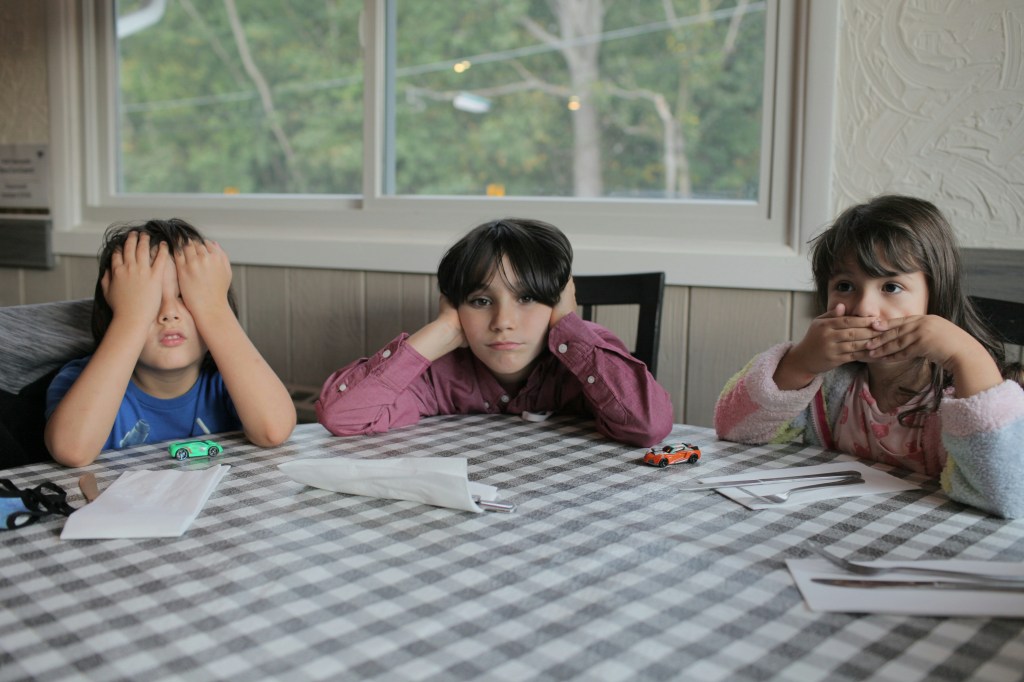
Today’s world is a whirlwind of technology, consumerism, and a frenzy of extracurricular activities for children. It has created an environment where their lives are jam-packed with schedules, leaving little room to just “be.”
With more families having both working parents, children spend a significant amount of their free time in childcare or organized activities. In addition to the threat of ‘stranger danger,’ it’s no wonder many parents hesitate to let their children play outdoors alone.
Plus, scrolling through social media and seeing every child living this picture-perfect, action-packed life can leave us feeling that we’re falling short if our child is not constantly on the go.
However, boredom is not the enemy. In fact, it is a crucial part of a healthy childhood. Those moments of downtime, where they have to entertain themselves, are where creativity, problem-solving skills, and independence really thrive.
So, let’s take a quick look at how our children can actually benefit from those bouts of boredom.
Encourages Your Child to Engage in Free Play
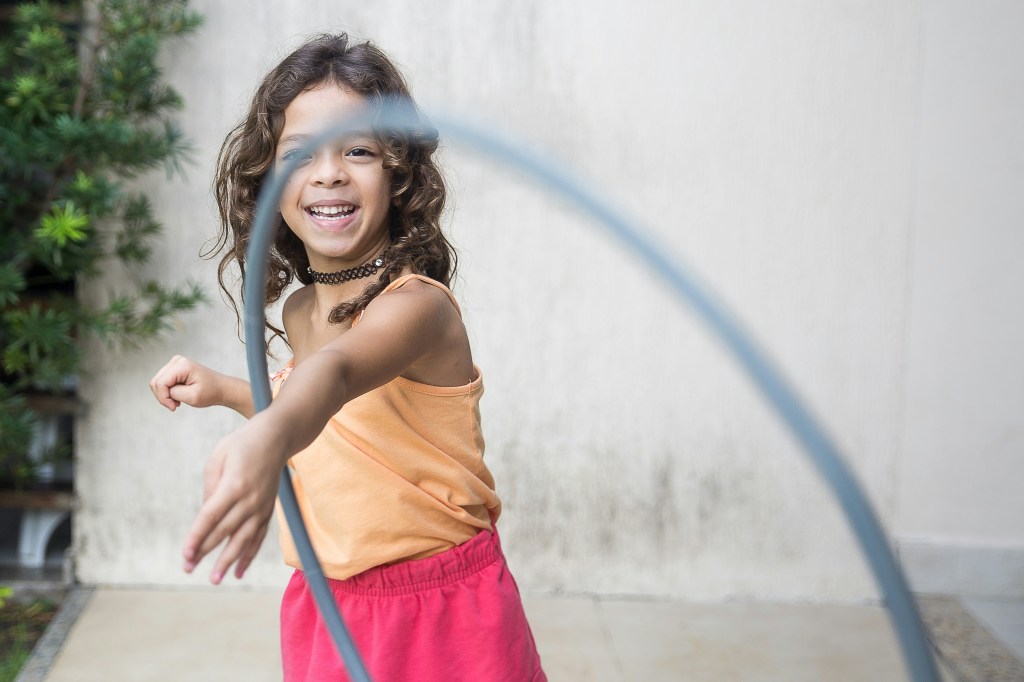
When your child has nothing planned, it’s easy for them to feel bored and restless. Instead of playing hero and entertaining or packing their day with activities, consider giving them some space to deal with the feeling on their own.
I remember how, given enough time, my daughter would likely figure out a way to entertain herself. She would sometimes browse her favorite books, let her imagination run wild with some drawing, or create elaborate worlds with her toys.
In these moments, your child is not just playing but is making choices for themselves, like what to do, what they like, and how long to spend on a particular activity. Remember that when they have the freedom to engage in this kind of play, they learn to deal with their emotions better, whether it’s fear, anxiety, stress, or sadness.
This sense of self-mastery sets them up to handle stress more effectively as they grow into teenagers and, eventually, adults.
Boredom Can Spark Creativity
Children’s minds have a funny way of doing their own thing, don’t they? Especially when we’re trying to keep them still. What’s even more interesting is that they seem to be most active when we don’t give them anything to do. Research has repeatedly shown that our creativity kicks into high gear when we feel a bit bored. The same goes for our children. It’s just how the human brain works.
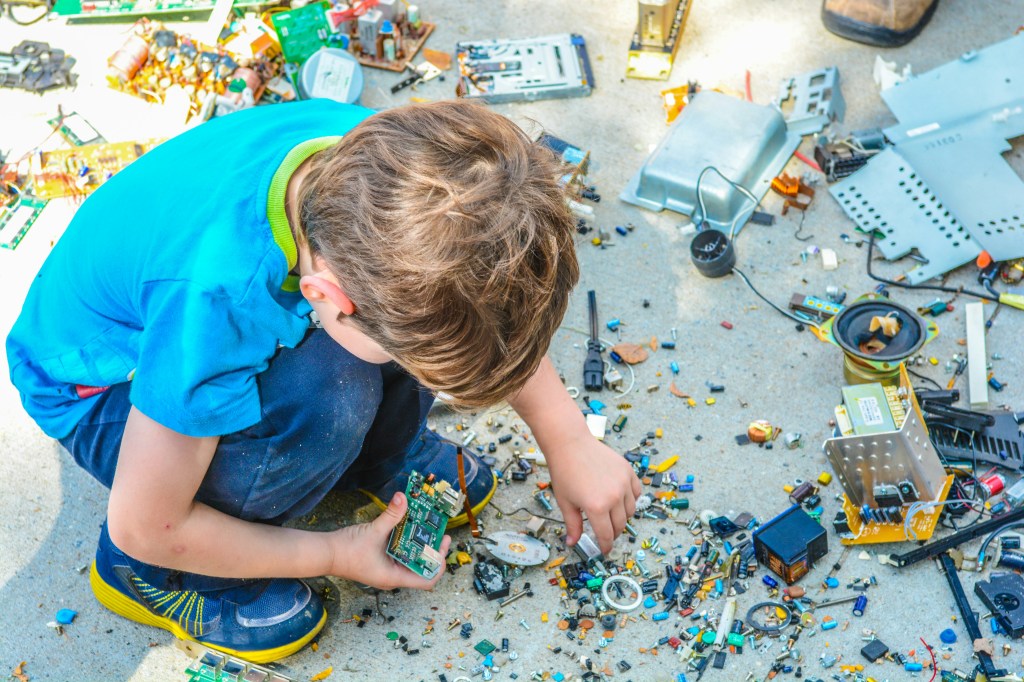
Think about it. When your child is bored, their minds wander, going on these incredible mental adventures. When our little ones find themselves twiddling their thumbs with nothing to do, they are actually flexing their imaginative muscles, which might be the most crucial skill they’ll ever develop.
Being Bored Improves Mental Health
Believe it or not, boredom actually adds depth to our lives. An article from the American Psychological Association dives into how children start reflecting in those moments of boredom. Suddenly, the things they’ve done, the experiences they’ve had, seem to carry more weight, more meaning.

This happens because our brains dislike being idle. They are wired to keep things interesting, even if it means overanalyzing the most mundane things. This is why when we’re bored, every thought and moment feels more significant.
Being bored is also crucial for finding meaning in life. So, when your child complains about being “bored to death,” maybe you shouldn’t rush to fill their time with activities. Maybe you should let them sit with that feeling for a while. It is in those moments that they discover the richness of their own experiences, shaping how they see the world and building resilience for whatever life throws their way.
Boredom Helps Shape Who They Are

There is this subtle yet profound benefit boredom brings to the table, and it’s something we often overlook. Your child needs to get bored out of their mind to give them a chance to figure out who they really are.
As a parent, you have to understand that it is in those moments of boredom when the world around them quiets down and allows them to hear themselves think. It’s where your child starts piecing together their identity, exploring what sparks their interest, what they’re good at, and what they are eager to learn.
Also, it is in these moments that they find the most unexpected joys – the bursts of creativity and spontaneous adventures. So, the next time your child groans about being bored, let them. They are probably just discovering themselves and the incredible potential that lies within.
Boredom Inspires Critical Thinking

Aside from their highly structured academics, it’s important for your child to learn how to think independently. Nowadays, it feels like our little ones are often told what to do from sunrise to sunset.
However, when every minute of their day is meticulously planned out, they don’t really get the chance to flex their thinking muscles. And that’s not what we want for them, is it?
So, why not give them at least one day where they’re left to fend for themselves when it comes to entertainment. Sure, they might grumble initially, but trust me, it is worth it.
When facing a blank slate, they are forced to get creative. My daughter would often come up with her own fun or (sometimes) simply embrace the boredom. But, as I mentioned earlier, it is where she’ll learn to rely on herself, think outside the box, and maybe even discover a new hobby or passion.
Being Bored Boosts a Child’s Problem-solving Skills
Teaching your kids how to tackle problems head-on is unmistakably important. It’s one of those skills that will stick with them for life, and boredom is the perfect training ground for it.
When nothing exciting is happening, your child is forced to get creative. They turn into little problem-solvers, figuring out how to entertain themselves.
For instance, I remember when the internet went down for a few days. Instead of throwing a fit, my daughter rolls up her sleeves and starts thinking of things to do until the connection is restored. She started digging out those dusty board games from the closet, embarked on an adventure in the park, and drew out her art materials.
So, while boredom might seem like a nuisance at first, in reality, it is laying the foundation for some seriously impressive problem-solving skills.
It Makes Your Child More Motivated
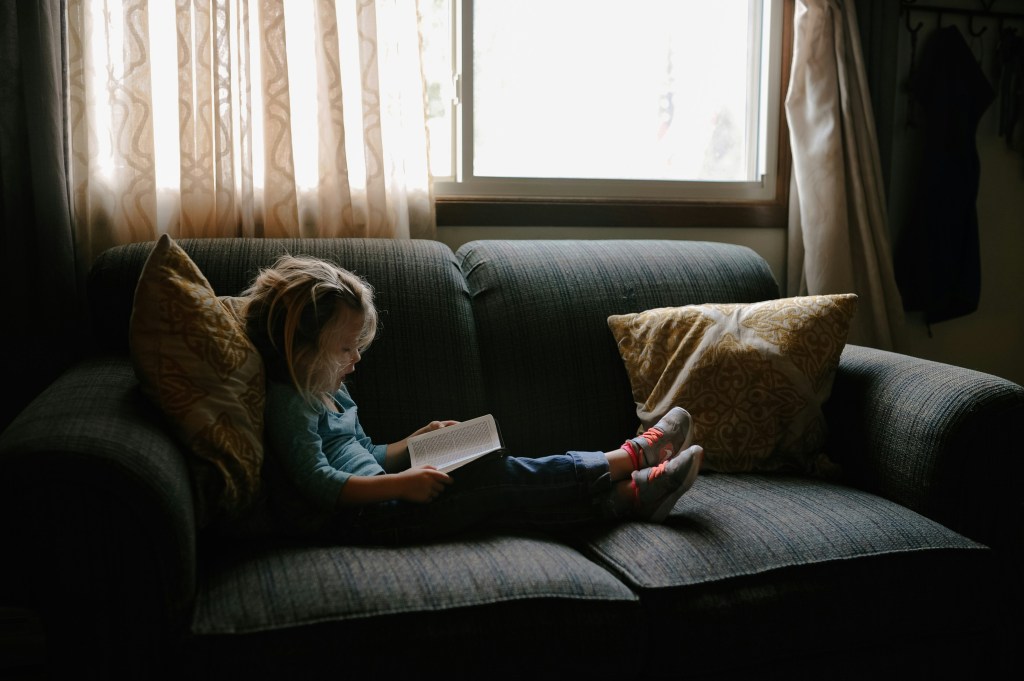
Every parent would love to be there for their kids every step of the way. But the reality is, they’re going to have to spread their wings eventually. We can’t hover over them forever, scheduling every moment with activities and educational events. At some point, we’ll have to let go and trust that they will find their own path.
Boredom comes in as a training ground for self-motivation. When nothing external drives them forward, your child will have to dig deep to find that inner spark. It allows them to make their own decisions and figure out what tickles their interest.
Sure, it was tough to watch my little girl wrestle with boredom, but it’s all part of the process. In those moments of aimless wandering, she was able to hone her ability to motivate herself and to find ways to be interested in what’s going on around them.
Trust me, that skill will serve your child well long after they’ve outgrown their childhood days.
Boredom Gives Your Child the Chance to Meditate
Boredom gets a bad rap. But honestly, it is good for kids because it gives them the space they need to do some serious thinking. Just lounging outside, gazing at the clouds, and letting their imagination run wild might sound simple, but that downtime is actually perfect for their little minds.

Researchers found that bored kids tend to let themselves drift into nostalgic memories or deep reflections. So, instead of treating boredom like the enemy, it may be time to see it as a teacher. By allowing them to experience the feeling occasionally, we are giving them a chance to learn how to better cope with it and find meaning in even the most ordinary moments.
Teaches Kids How to Keep Themselves Entertained
It is really tempting to have a list of activities ready to go for your kids.
After all, parents don’t like to hear their child being bored, right? And, if we’re being honest, it can get pretty exhausting after a while.
But as much as we want to keep our children from boredom, they must learn how to handle it themselves. I mean, you won’t be there 24/7 to offer them suggestions, will you? Part of growing up is figuring out how to keep yourself busy, even when your options seem limited.
So, instead of rushing to their rescue whenever boredom strikes, maybe it’s time to let them spread their wings a bit. They might grumble at first, but trust me, the occasional boredom will help.
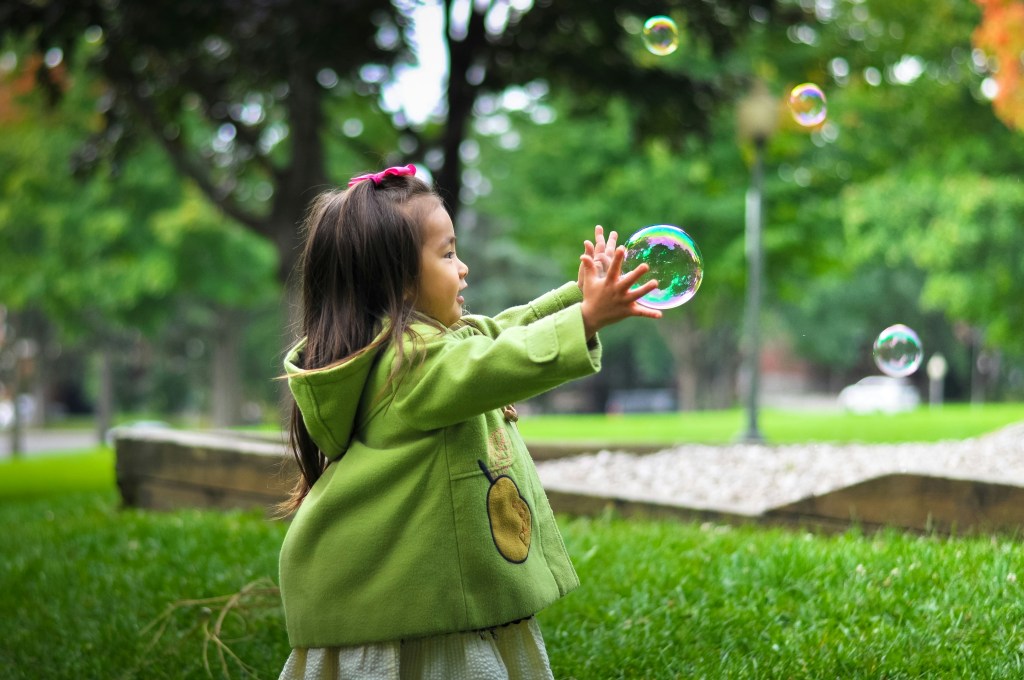
Growing up is about knowing how to fill your own leisure time with activities that bring you joy. As parents, our job is not to keep our children occupied but to prepare them for the real world, where they will need to fend for themselves.
Being Bored Prepares Your Child for Life Beyond the Playground
As parents, it’s only natural to want to swoop in and save the day when our kids complain about boredom. I’ll do just about anything to put a smile back on my daughter’s face – whether it’s playing in the park three times a day or throwing a pile of toys her way.
But by constantly coming to their rescue, we might recklessly be setting them up for a rough ride down the road. If they always expect someone to entertain them, what happens when there’s no one there to play ringmaster?
They might feel lost and frustrated, lashing out at anyone who doesn’t make them feel better. And let’s be honest. Life isn’t all sunshine and rainbows. There are plenty of dull moments waiting around every corner. The sooner your child learns to embrace and deal with boredom, the better equipped they will be to handle whatever life throws their way.
Whether it’s at home or in school, those dull moments are inevitable. But by learning to deal with them with resilience and grace, your kid will be unstoppable.
How Can I Inspire My Child to Make the Most Out of Boredom?
Transitioning your child from a structured schedule to one where they have more freedom to entertain themselves can be challenging if they are used to having their activities planned out. It might feel challenging at first because they’re not accustomed to it, and you’ll likely need to play the role of imagination coach. But once they get the hang of it, things will get better.
Here are some techniques to help your kid learn how to keep themselves entertained:
Set aside time each week for a detox activity. Choose one day each week when your family has no plans, allowing you to be spontaneous and make it up as you go along. Give your child a fun, open-ended project like constructing an obstacle course in the yard or organizing a treasure hunt. This encourages creativity because they get to decide what the treasure will be, find hiding spots, write clues, and so on.
Offer simple, traditional toys. If you have space, gather flowers, fabric scraps, empty containers, and other odds and ends. These things will provide your child with endless options for imaginative play. No need to splurge on pricey action figures when your little one can create an even cooler one from things you already have at home.
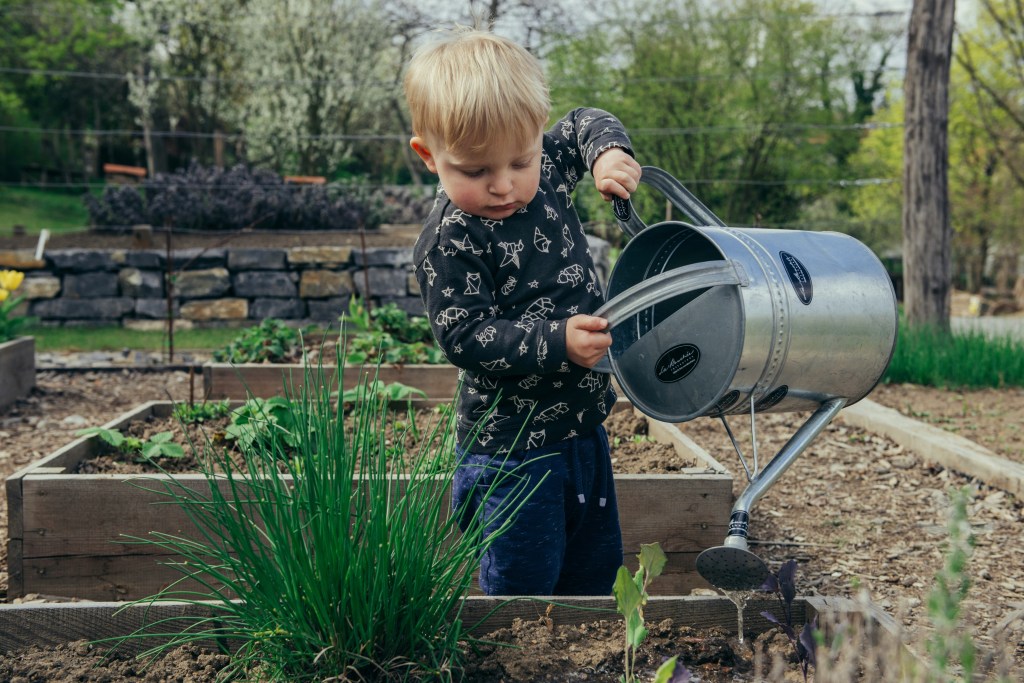
Feel okay about the mess. You can always tidy up afterward. And it’s fair to ask your kid to pitch in with cleaning up.
Spend time outdoors. Take your child to wide-open spaces and fight the urge to hover around them. Let them tackle the tallest monkey bars and allow them to take a few risks.

Foster a feeling of togetherness. If your neighborhood is safe for outdoor play, gather a bunch of parents who can keep an eye on each other’s kids. It’s the kind of community spirit many of us grew up with, plus it will create a wonderful sense of belonging for you and your child.
Be a positive example. Hold off giving your child a smartphone or other gadgets for as long as possible, and show them how to have a healthy relationship with technology by your own example. It’s hard to tell them to put their devices down if you’re constantly glued to yours.
Boredom Can Be Awesome
As the saying goes, “Only boring people get bored.” It’s actually a pretty crucial life lesson for our kids. If we are constantly entertaining them, they will never really learn how to entertain themselves. We might feel like we always need to be there for them, but studies show that the time we spend with them doesn’t necessarily determine how they turn out.
Kids don’t need us to be there every minute. Sometimes, they need to figure things out on their own. Giving them too much attention can backfire, making them think the world revolves around them and everyone’s here to cater to their needs.
By allowing your child to experience the torture of boredom every now and then, you are helping them discover who they are and not live up to the identity we’ve given them instead of creating their own.




 Over My Dad Body
Leave a comment